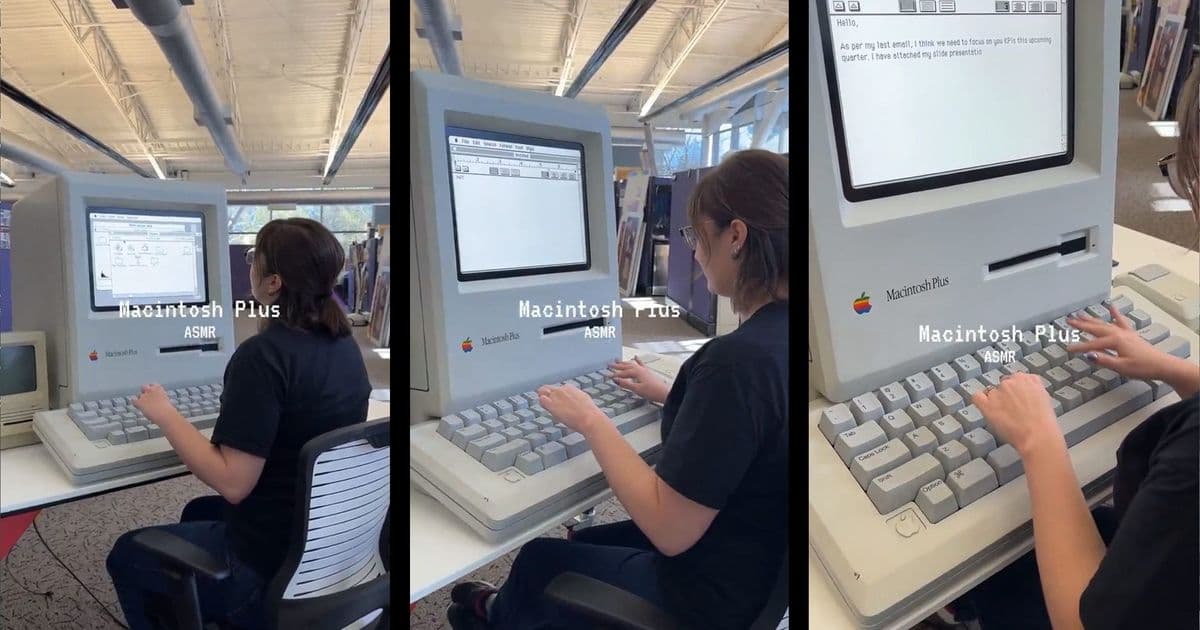
The Computer History Museum unveiled a scaled-up replica of Apple's 1986 Macintosh Plus, dubbed 'Big Mac,' emphasizing how hardware design priorities shifted from input devices to displays over four decades.
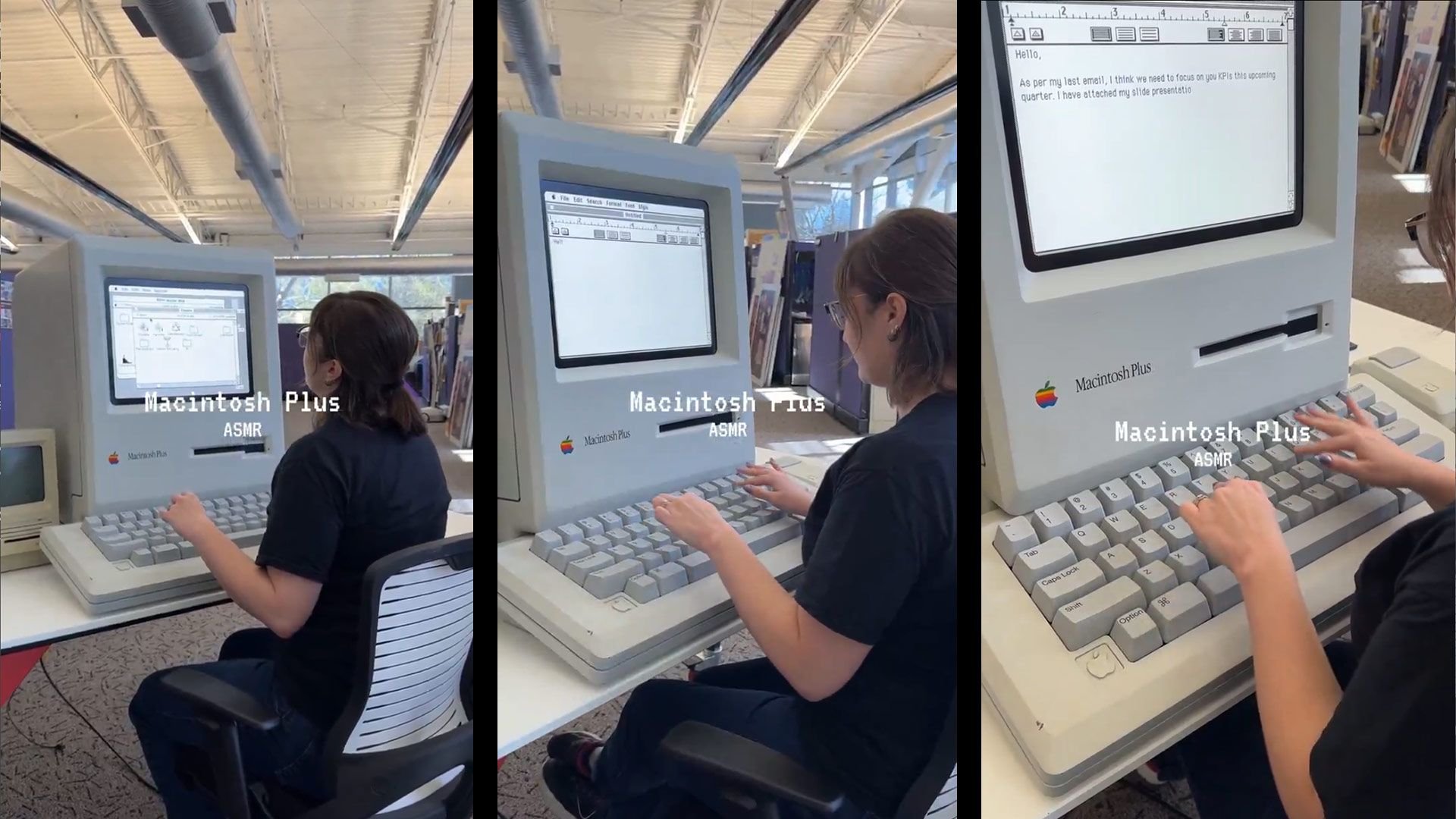
The Computer History Museum in Mountain View, California, has acquired and showcased a functionally scaled replica of Apple's 1986 Macintosh Plus, informally designated the 'Big Mac.' This oversized exhibit underscores dramatic shifts in computing hardware design between the mid-1980s and today, particularly in the balance between input devices and displays within all-in-one systems. Measuring approximately five times larger than the original, the Big Mac's exaggerated keyboard dimensions starkly contrast with modern minimalist peripherals.
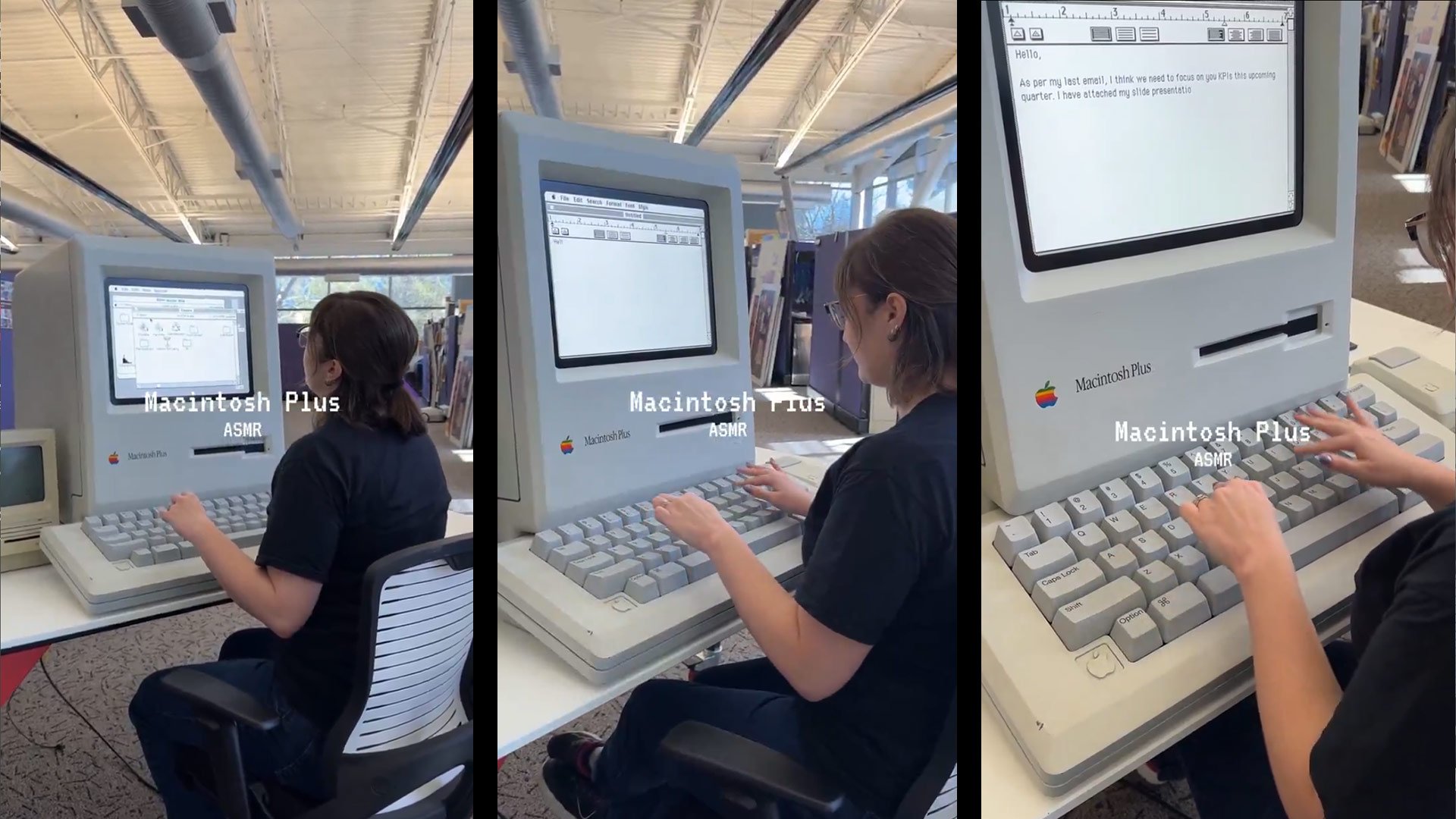
Original Macintosh Plus hardware specifications reveal why the keyboard dominates this replica. The 1986 system featured a Motorola 68000 CPU operating at 8MHz, paired with 1MB of RAM expandable to 4MB via four 30-pin SIMM slots. Storage relied on a single 800KB 3.5-inch floppy drive, with expansion handled through SCSI peripherals. Its 9-inch monochrome CRT displayed 512 × 342 resolution, occupying minimal physical space compared to the input device. This hardware configuration prioritized keyboard interaction due to the text-heavy workflows of early graphical computing.
Market context explains the design disparity. When launched at $2,599 (equivalent to $7,500 in 2026 dollars), the Macintosh Plus targeted professional graphic artists and early desktop publishing workflows. Its keyboard contained just 58 keys but introduced critical navigation arrows missing from earlier Mac keyboards. Despite limited processing power by modern standards, Apple supported the architecture for a decade through System 7.5.5 updates—a longevity reflecting its foundational role in GUI adoption.
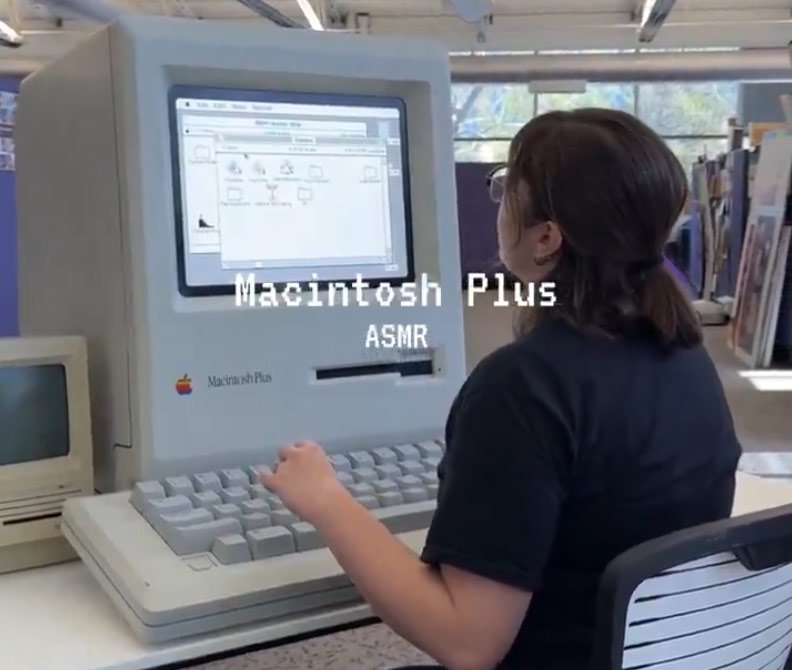
The Big Mac's exaggerated scale highlights three evolutionary shifts in computing hardware:
- Display Dominance: Modern all-in-ones dedicate over 90% of frontal area to screens, with internals condensed into monitor chassis. The Macintosh Plus allocated roughly 40% of its front panel to the display.
- Input Miniaturization: Keyboard footprint ratios decreased from approximately 1:1 with screens in 1986 to 1:4 ratios in contemporary designs, enabled by thinner mechanical switches and wireless connectivity.
- Component Integration: Where the Macintosh Plus required external SCSI peripherals for storage expansion, modern systems integrate terabytes of NAND flash and multi-core SoCs within slimmer profiles than the original's floppy drive.
The museum plans to feature the Big Mac in its Apple at 50 exhibition opening in March 2026. This artifact demonstrates how semiconductor scaling and display innovations transformed user interaction paradigms. While the original Macintosh Plus required dedicated keyboard real estate for practical use, today's systems leverage touch interfaces, voice control, and AI-driven input methods—reducing reliance on physical keyboards despite increasing functional complexity.
For historical context, visit the Computer History Museum's Apple collection. Technical specifications for legacy Apple hardware are archived at the Macintosh Repository.
Comments
Please log in or register to join the discussion