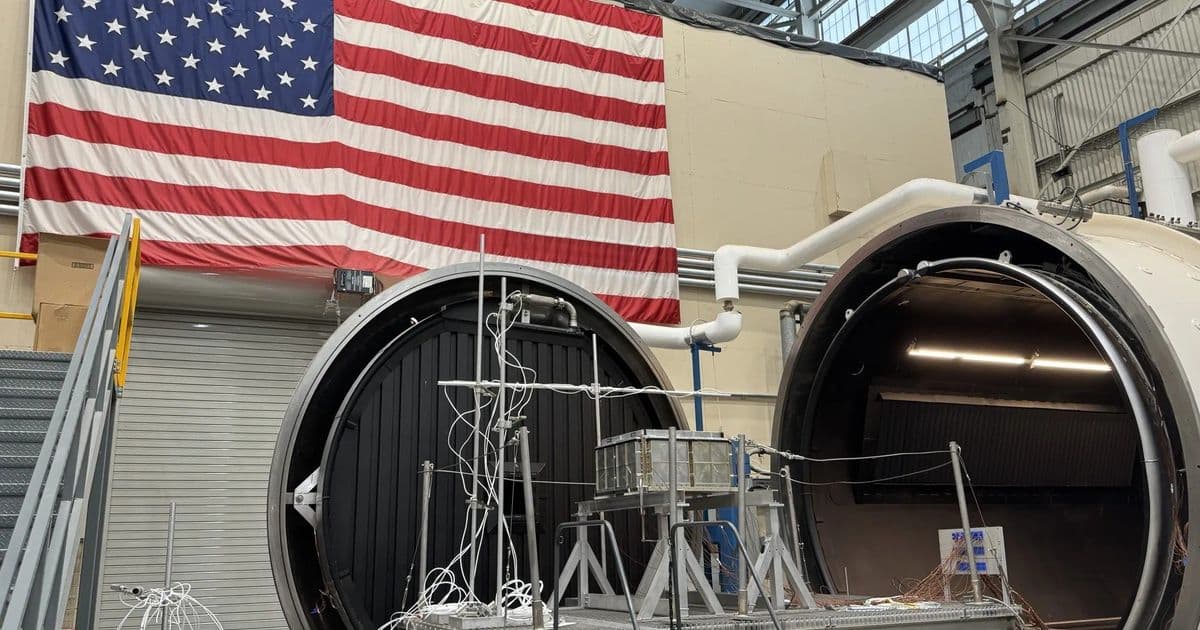
NASA's StarBurst space observatory has successfully completed rigorous thermal vacuum and vibration tests, advancing toward its goal of detecting elusive gamma-ray bursts from neutron star collisions.
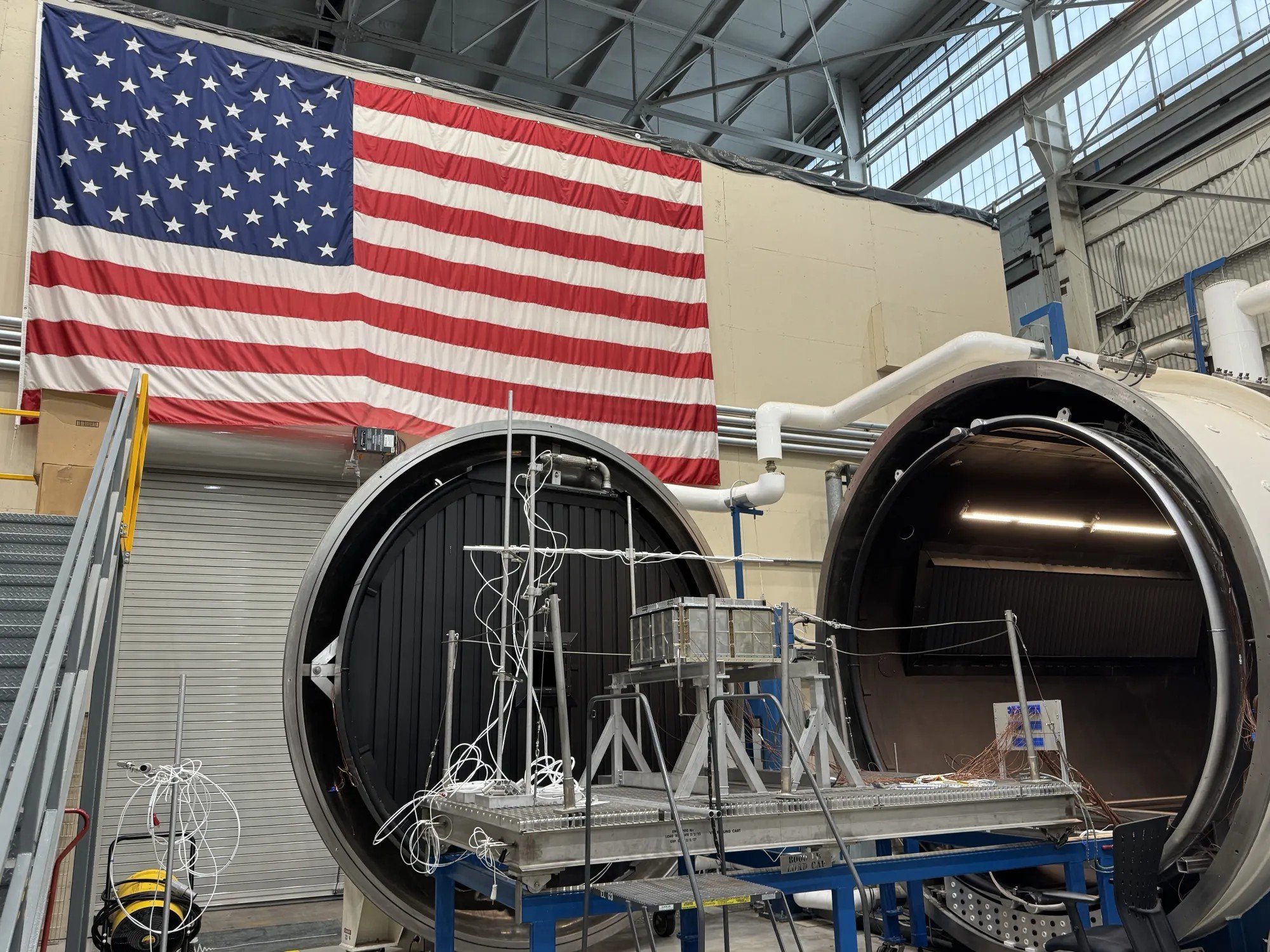
The StarBurst mission, NASA's upcoming space observatory designed to detect initial gamma-ray emissions from neutron star mergers, has cleared critical environmental testing milestones at Marshall Space Flight Center. This advancement brings astronomers closer to systematically studying cosmic events responsible for creating heavy elements like gold and platinum.
Mission Objectives and Significance
StarBurst specializes in detecting short gamma-ray bursts (GRBs) emitted within milliseconds of neutron star collisions - events so powerful they briefly outshine entire galaxies. These cosmic explosions serve as primary sources for heavy element nucleosynthesis. While ground-based observatories like LIGO detect gravitational waves from such collisions, simultaneous gamma-ray detection remains exceptionally rare, with only one confirmed joint observation to date. StarBurst aims to change this by operating in space to avoid atmospheric interference.
Technical Testing Breakdown
Engineers subjected the instrument to extreme validation procedures:
- Thermal Vacuum Testing: The hardware endured temperature cycles from -20°C to +50°C inside a vacuum chamber, simulating orbital thermal extremes
- Vibration Testing: Simulated rocket launch conditions using electrodynamic shakers that replicated intense acoustic and mechanical stresses
These tests verify survivability during launch and operation in space. The instrument now enters calibration before integration with its satellite platform.
Comparative Advantage
Unlike Earth-bound telescopes, StarBurst's orbital position eliminates atmospheric attenuation of gamma rays. When synchronized with LIGO's 2027 observation run, NASA anticipates detecting up to 10 neutron star merger events annually - a tenfold increase over current capabilities. This coordinated approach creates multi-messenger astronomy opportunities, combining gravitational wave, electromagnetic, and potential neutrino data.
Operational Timeline
Targeting launch readiness by 2027, StarBurst will operate during LIGO's next observational campaign to maximize simultaneous detection opportunities. Mission duration is initially set for two years, extendable based on performance. Data will be processed through NASA's Astrophysics Data System and shared with international partners.
Scientific Implications
The mission addresses fundamental questions about heavy element distribution throughout the cosmos. Each successful detection provides:
- Precise localization of neutron star mergers
- Spectroscopic analysis of explosion byproducts
- Insights into relativistic jet formation mechanics
With testing milestones complete, StarBurst advances toward becoming astronomy's premier tool for studying the universe's most energetic collisions.
Comments
Please log in or register to join the discussion