Motorola and GrapheneOS announce partnership to bring the privacy-focused, Google-free Android OS to future Motorola phones, targeting enterprise customers with enhanced security features.
Motorola has announced a partnership with GrapheneOS to bring the privacy-focused, security-hardened Android operating system to future Motorola devices. This collaboration marks a significant shift in the mobile OS landscape, as one of the world's largest smartphone manufacturers embraces an alternative to Google's Android ecosystem.
GrapheneOS is an open-source operating system built on Android's open-source foundation but stripped of all Google services and applications. The OS emphasizes privacy and security through features like process and site sandboxing in its web browser, automatic metadata stripping from photos, and numerous additional security enhancements. Currently, GrapheneOS officially supports only Google Pixel 6 and later devices, making this partnership Motorola's first major expansion into the GrapheneOS ecosystem.
What This Means for Motorola Users
The announcement makes it clear that existing Motorola phones won't receive GrapheneOS updates. Instead, the partnership focuses on future devices specifically designed to run this security-centric operating system. This approach allows Motorola to target a different market segment than its typical consumer offerings.
Enterprise Focus
Given GrapheneOS's emphasis on security and its lack of Google services like the Play Store, Gmail, and Chrome, these future Motorola devices will likely target business and enterprise customers rather than general consumers. Organizations that prioritize data security and privacy over access to Google's ecosystem may find these devices particularly appealing. The absence of Google services, which many consumers view as essential, becomes a feature for security-conscious enterprises.
Software Update Implications
This partnership could address one of the most common criticisms of Motorola phones: inconsistent software update support compared to competitors like Samsung, Google, and Apple. By partnering with GrapheneOS, Motorola may be able to offer more reliable long-term support for at least some of its devices. However, this comes with trade-offs, as GrapheneOS devices may not support certain applications, particularly banking apps that often require Google Play services.
The Security Advantage
GrapheneOS provides several security enhancements over standard Android:
- Enhanced sandboxing for applications and web browsing
- Improved exploit mitigations
- Network security features
- Hardware-backed security enhancements
- Regular security updates independent of Google's release schedule
These features make GrapheneOS particularly attractive for users and organizations handling sensitive data or operating in high-security environments.
Market Impact
This partnership represents a growing trend of smartphone manufacturers exploring alternatives to Google's Android ecosystem. As privacy concerns increase and organizations seek more control over their mobile environments, solutions like GrapheneOS offer a compelling alternative. Motorola's involvement could accelerate the adoption of privacy-focused mobile operating systems beyond the current niche market of tech enthusiasts and security professionals.
Timeline and Availability
While the announcement doesn't specify when GrapheneOS-powered Motorola devices will be available, the partnership suggests development is already underway. Given the typical smartphone development cycle, consumers and enterprise customers might expect to see these devices within the next 12-18 months, though this timeline remains speculative.
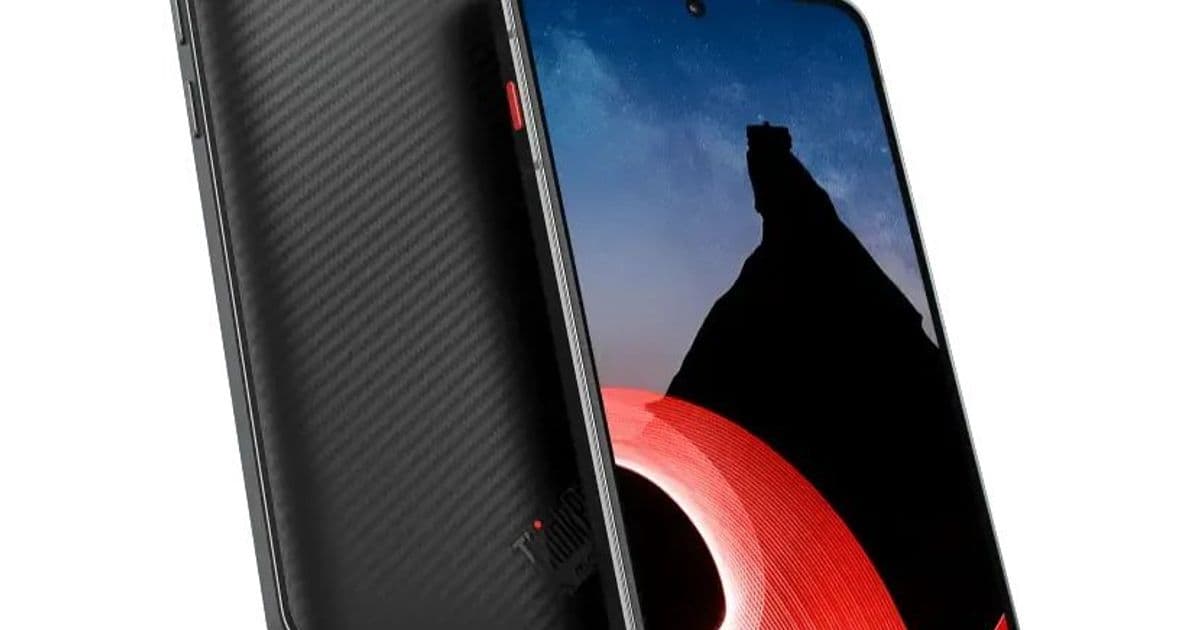
The Motorola ThinkPhone, despite its business-oriented positioning, is unlikely to receive GrapheneOS support based on the announcement's language about "future devices." This suggests Motorola is planning dedicated hardware for this partnership rather than retrofitting existing product lines.
This collaboration between Motorola and GrapheneOS could signal a broader shift in the mobile operating system market, offering consumers and businesses alternatives to the dominant Google-Apple duopoly while addressing growing concerns about privacy and data security in mobile computing.
Comments
Please log in or register to join the discussion