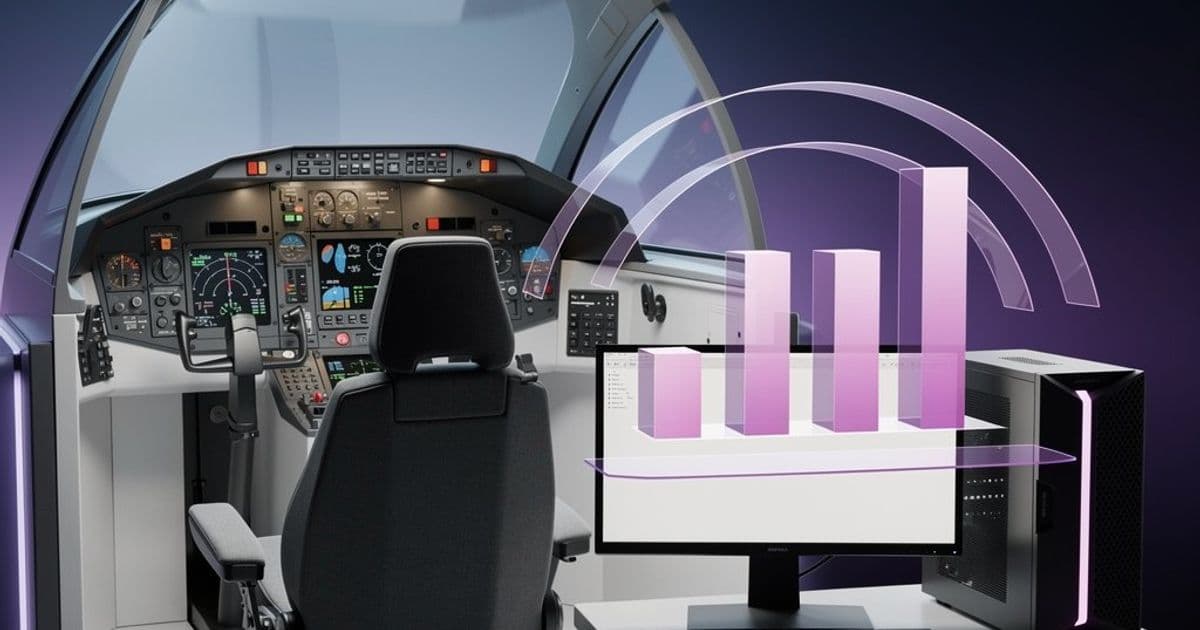
NASA Langley has initiated the U.S. government software approval process for CapFrameX, a popular PC hardware performance monitoring tool, to assess frame rate and latency metrics for its advanced cockpit simulators. This move signals a pragmatic shift in aerospace testing, where consumer-grade software tools are being evaluated for mission-critical applications, particularly for training pilots on next-generation aircraft like the X-59 Quiet SuperSonic Technology (QueSST) demonstrator.
NASA Langley Research Center has begun the formal U.S. government software approval process for CapFrameX, a widely used PC hardware performance benchmarking tool, to evaluate the performance of its cockpit simulator video systems. According to an announcement from the CapFrameX team, the initiative was driven by NASA itself, not the tool's developers, highlighting the agency's proactive search for precise, real-time performance metrics in its simulation environments.
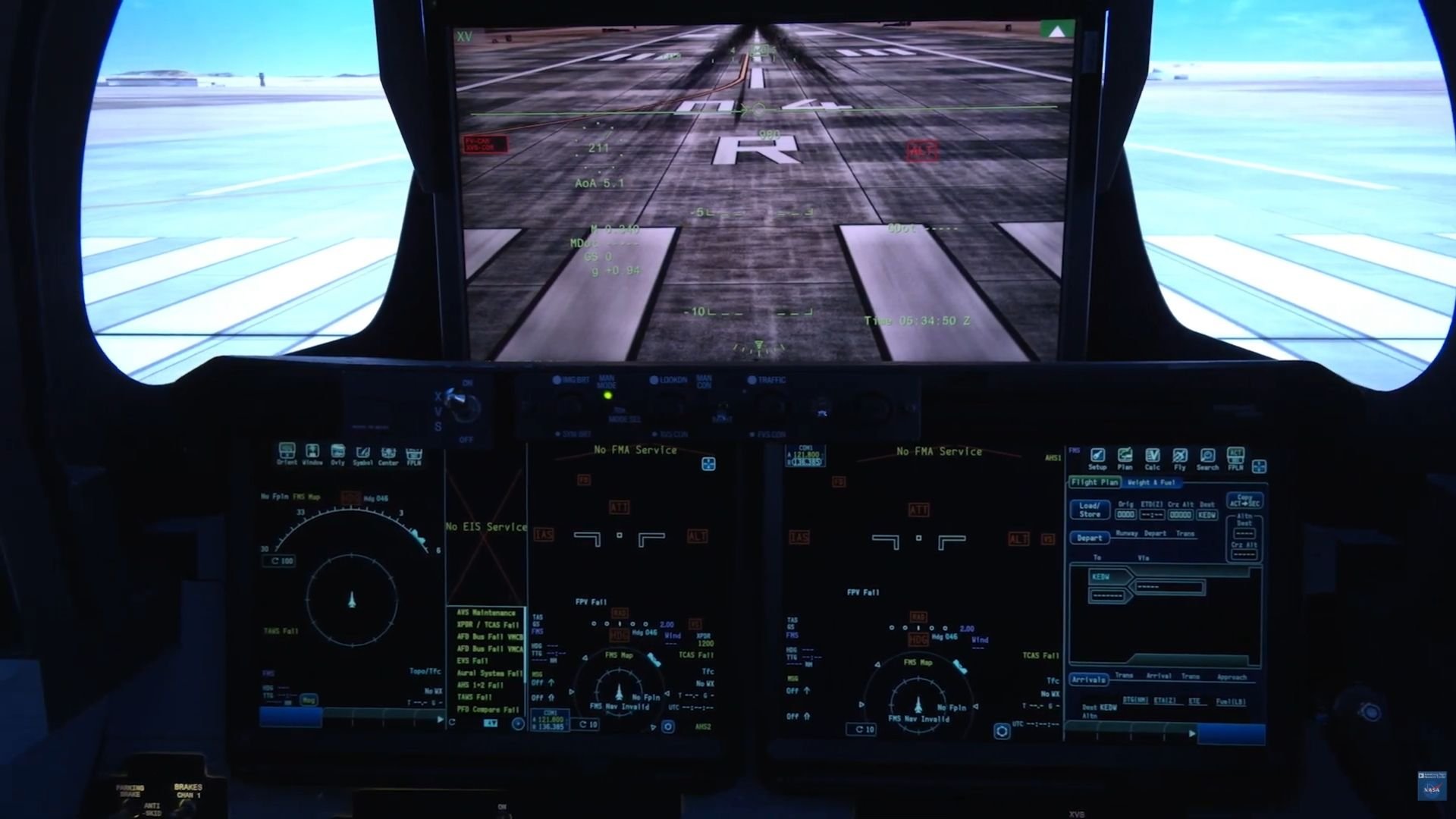
The tool's primary role will be to monitor and validate frame rates and system latency within NASA's custom-built simulators. These metrics are critical for ensuring the fidelity and responsiveness of the simulation, which directly impacts pilot training effectiveness. For test pilots preparing to fly experimental aircraft like the X-59, a simulator that lags or drops frames can introduce disorientation or procedural errors, undermining the safety and value of the training.
The Critical Role of Simulator Fidelity in Aerospace Testing
NASA's simulators are not consumer-grade entertainment systems. They are bespoke, hand-built environments designed to replicate the exact cockpit layout, controls, and instrument panels of the aircraft under test. The agency's philosophy is to place every switch, dial, and throttle quadrant in its precise physical location, creating a one-to-one correspondence with the real aircraft. This allows pilots to develop muscle memory and procedural fluency without ever looking away from the primary flight display or instrument cluster.
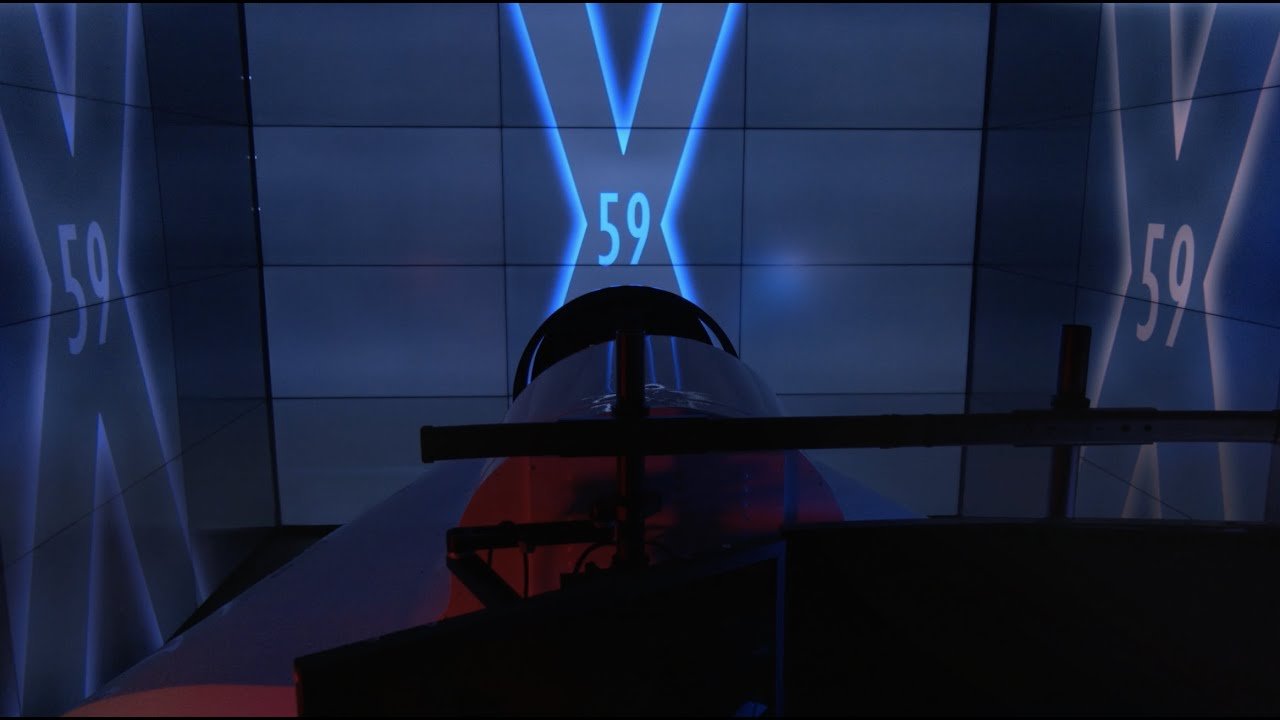
The X-59 QueSST, for example, is an experimental supersonic aircraft designed to replace the disruptive sonic boom with a quieter "thump." Before the aircraft ever takes flight, pilots must master its unique handling characteristics and emergency procedures in a simulator. The fidelity of this simulation is paramount. Any perceptible lag between a pilot's input and the visual or haptic feedback can break the illusion of reality, reducing the training's effectiveness.
Historically, NASA has built simulators since the 1960s, using analog and early digital systems to mimic vehicle dynamics. The advent of powerful, affordable computing hardware has revolutionized this process, allowing for highly detailed, real-time physics modeling and photorealistic visuals. However, this increased complexity introduces new challenges: ensuring that the underlying hardware can consistently deliver the required performance without stuttering or latency.
Why CapFrameX? The Pragmatism of Consumer Tools
CapFrameX is an open-source, Windows-based application primarily used by PC gamers and hardware reviewers to capture and analyze frame time data (the time between rendered frames), frame rates, and system latency. It provides detailed, granular data that is often more insightful than simple average FPS metrics, which can hide micro-stutters and inconsistent performance.
For NASA, the tool offers a cost-effective and precise method to quantify simulator performance. Instead of relying on subjective pilot feedback or basic system monitoring, engineers can use CapFrameX to generate hard data on frame time consistency, identifying bottlenecks in the rendering pipeline or subsystem latency that could degrade the simulation experience.
The choice of a consumer-grade tool is telling. It reflects a broader trend in specialized industries where robust, well-understood commercial software is being adapted for high-reliability applications. The software approval process NASA is undertaking—likely involving security vetting, integration testing, and validation against internal standards—will determine if CapFrameX meets the stringent requirements for use in a government aerospace testing environment.
Market and Supply Chain Implications
This development underscores the growing convergence between high-performance consumer PC hardware and professional simulation systems. The same graphics cards and processors that power gaming rigs are increasingly found in professional simulation and visualization clusters. Tools like CapFrameX, born from the PC enthusiast community, are now finding utility in validating systems where performance consistency is a matter of safety and efficacy.
For the semiconductor and hardware market, this represents a subtle but significant validation. It confirms that the performance metrics and monitoring tools developed for the consumer market are reaching a level of sophistication and reliability suitable for mission-critical professional use. It may also encourage further development of such tools, with an eye toward certifications and features required for industrial or governmental applications.
The supply chain for these simulators is a complex ecosystem. It involves high-end GPUs (like NVIDIA's RTX series or AMD's Radeon Pro cards), multi-core CPUs, and often custom I/O boards for interfacing with physical cockpit controls. Ensuring that all these components work in concert without introducing performance artifacts is a non-trivial engineering challenge. CapFrameX could become a standard part of the validation toolkit for such systems.
The Path Forward: From Approval to Integration
The current step is the government software approval process, a necessary hurdle for any third-party software intended for use on NASA systems. This process typically involves a thorough security audit to check for vulnerabilities, a compatibility review with existing NASA software and hardware stacks, and a functional validation to ensure the tool performs as expected in the target environment.
If approved, CapFrameX will be integrated into NASA Langley's workflow for simulator development and maintenance. Engineers will use it to benchmark new simulator builds, troubleshoot performance issues, and ensure that any hardware or software updates do not degrade the simulation experience. This data-driven approach will complement the qualitative feedback from test pilots, creating a comprehensive picture of simulator quality.
The implications extend beyond NASA. Other government agencies, such as the Department of Defense or the Department of Transportation, which also rely on high-fidelity simulators for training and testing, may follow suit. The aerospace industry at large, including commercial aircraft manufacturers and flight training schools, could adopt similar tools and methodologies to validate their own simulation setups.
In essence, NASA's consideration of CapFrameX is more than a simple software adoption. It is a case study in how specialized industries are leveraging the tools and innovations of the consumer technology market to solve complex, high-stakes problems. It highlights the importance of precise performance measurement in environments where the cost of failure is exceptionally high, and it signals a future where the line between consumer and professional-grade tools continues to blur.
For more information on CapFrameX, visit its official GitHub repository. Details on NASA's X-59 QueSST project can be found on the NASA Armstrong Flight Research Center website.
Comments
Please log in or register to join the discussion