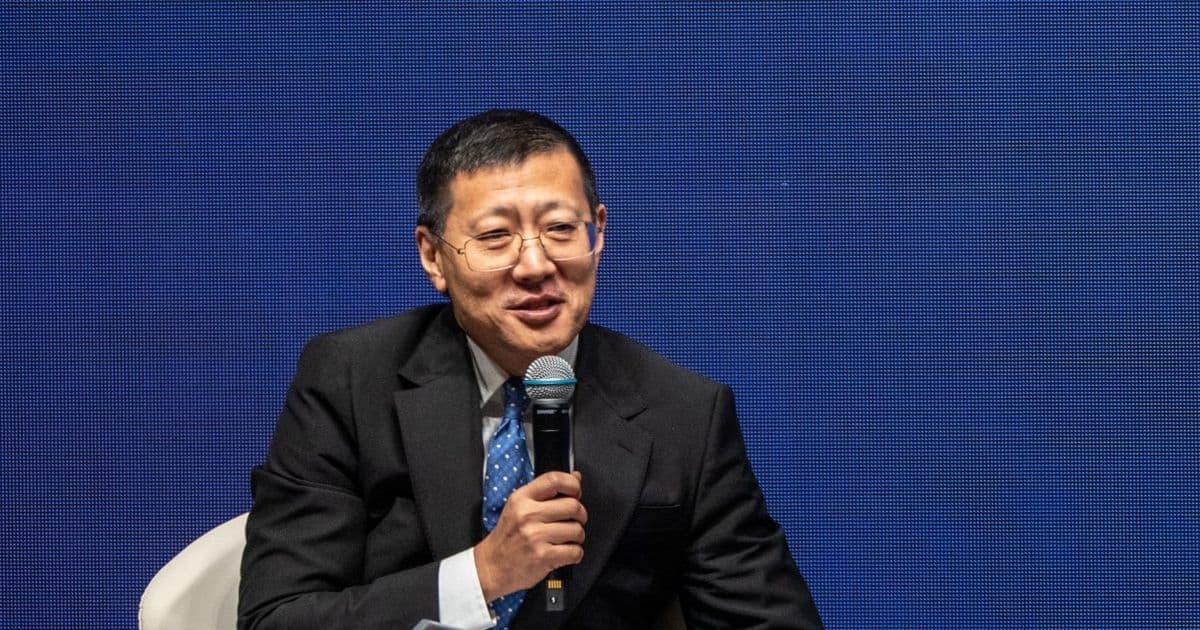
Venture capitalist Neil Shen raised $9 billion from US investors for his firm HSG just before Washington imposed restrictions on American investments in Chinese tech companies, positioning the fund to back startups like AI developer Manus amid escalating US-China tensions.
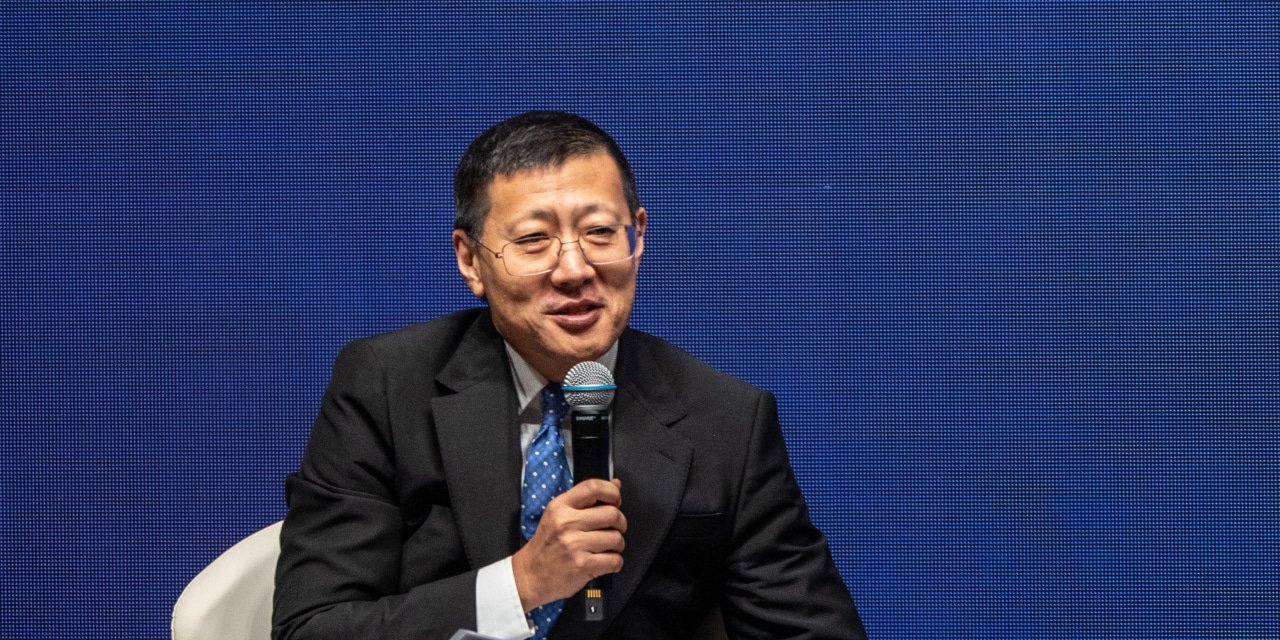
Neil Shen, founder of venture firm HongShan Capital (HSG), secured $9 billion from US institutional investors weeks before new Treasury Department restrictions took effect prohibiting American investments in sensitive Chinese technology sectors. The fundraise—among the largest by a China-focused venture firm—highlights how geopolitical realities are reshaping cross-border tech investment strategies.
Shen, who previously led Sequoia China before rebranding it as HSG in 2023 amid US-China tensions, leveraged his two-decade track record and Silicon Valley connections to close the fund. The capital will target early-stage companies in artificial intelligence, semiconductors, and enterprise software—sectors now partially restricted under Executive Order 14105. Portfolio company Manus, developing neural interface technology for industrial automation, exemplifies HSG's focus on applied AI with dual-use potential.
What distinguishes this fundraise is its timing: Shen secured commitments before August 2025 rules barred US investors from new deals in Chinese AI, quantum computing, and advanced semiconductors. This positions HSG with deployable capital while competitors face compliance hurdles. The firm's strategy emphasizes startups leveraging China's manufacturing ecosystem for hardware-enabled AI—like Manus's gesture-control systems—rather than foundational model development constrained by US chip export controls.
However, structural vulnerabilities persist. US limited partners cannot participate in future HSG funds targeting restricted sectors, straining Shen's cross-Pacific model. Portfolio companies also face component shortages: Manus relies on imported GPUs for training its models, now subject to licensing requirements. While HSG mitigates risk by focusing on vertical AI applications with faster commercialization paths, this limits exposure to transformative but capital-intensive foundational research.
Benchmarks underscore the constraints: Chinese AI startups average 18-month delays in acquiring H100-equivalent chips, increasing compute costs by 35% versus US peers. Meanwhile, HSG's portfolio shows 22% faster hardware integration cycles than software-only peers by leveraging Shenzhen's supply chains—a practical adaptation to geopolitical fragmentation.
The $9 billion fund demonstrates that Chinese tech innovation hasn't been isolated, but operates within narrower parameters. As HSG deploys capital, it becomes a test case for whether venture-scale returns are possible in a bifurcated ecosystem. Success requires navigating three challenges: avoiding sanctioned technologies, securing non-US semiconductor sources, and building products viable without Western markets—a reality redefining global tech investment.
Comments
Please log in or register to join the discussion