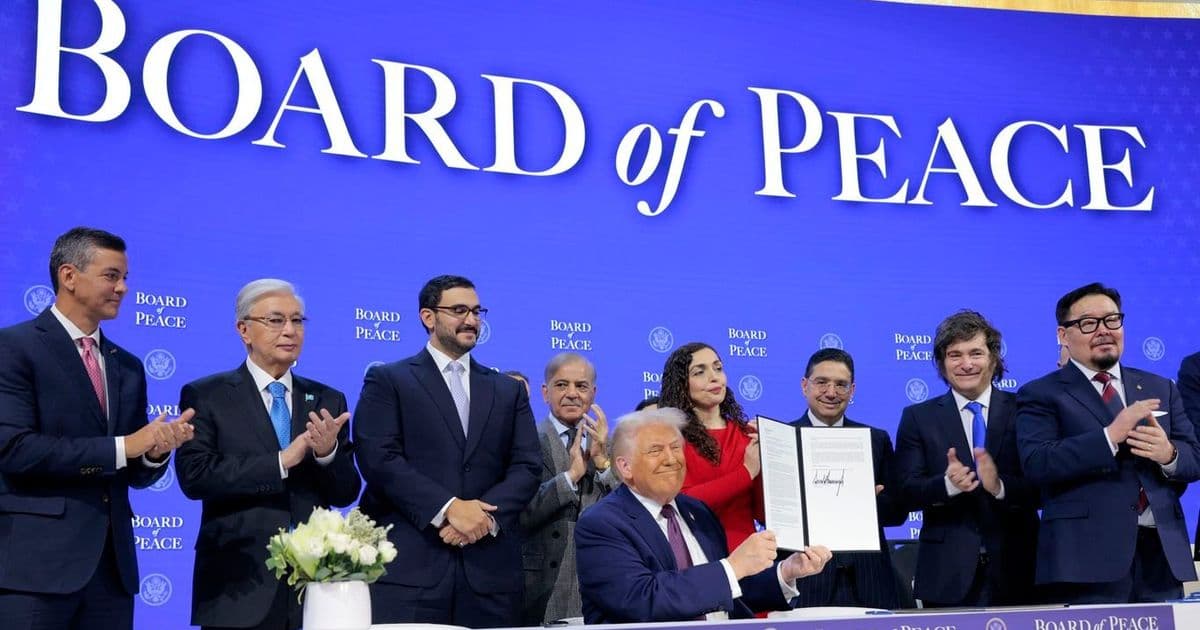
Israeli Prime Minister Benjamin Netanyahu rejected a White House request for Israel's president to attend the U.S.-backed Board of Peace ceremony, escalating diplomatic tensions amid fragile Gaza ceasefire negotiations.
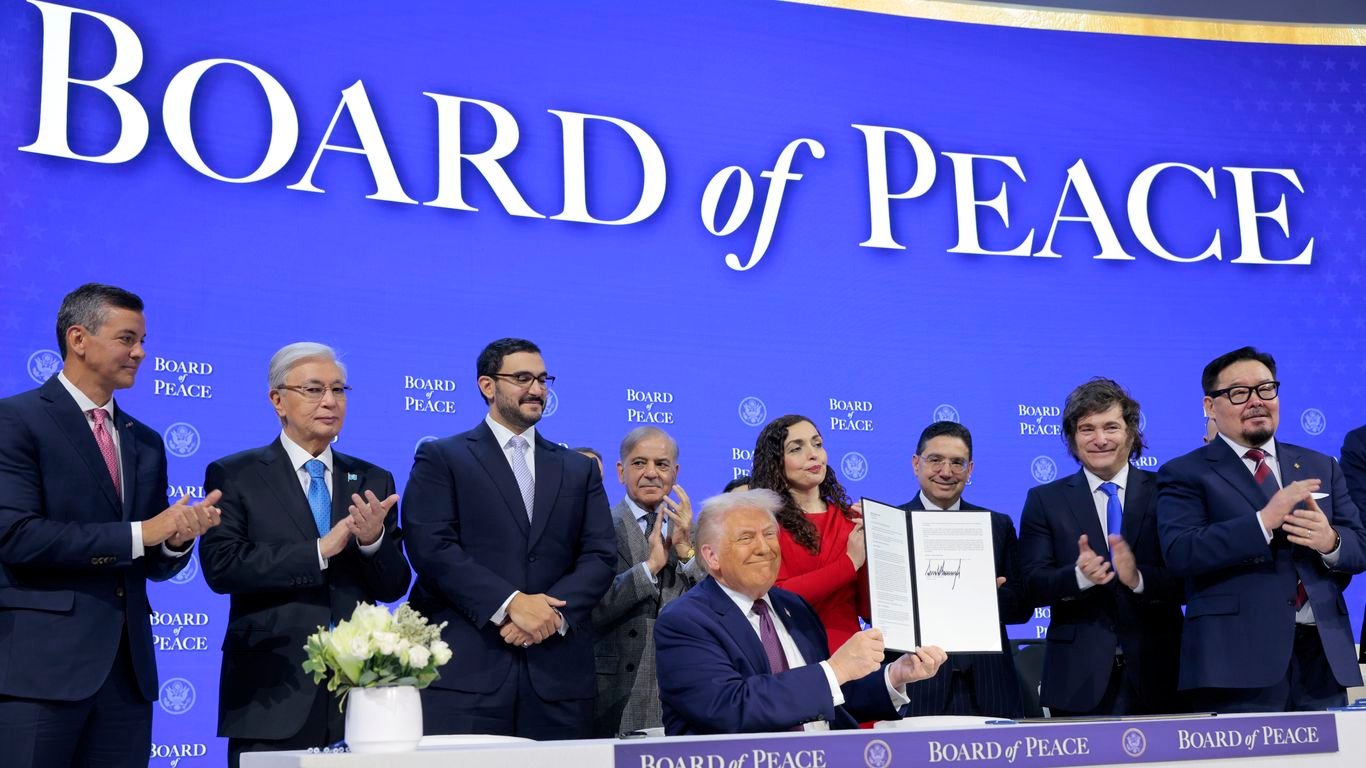
Israeli Prime Minister Benjamin Netanyahu has formally declined a White House invitation for Israeli President Isaac Herzog to attend the inauguration ceremony of the U.S.-backed Board of Peace, according to diplomatic sources familiar with the discussions. The rejection comes just days after President Trump launched the international oversight body during the World Economic Forum in Davos, Switzerland on January 22, 2026.
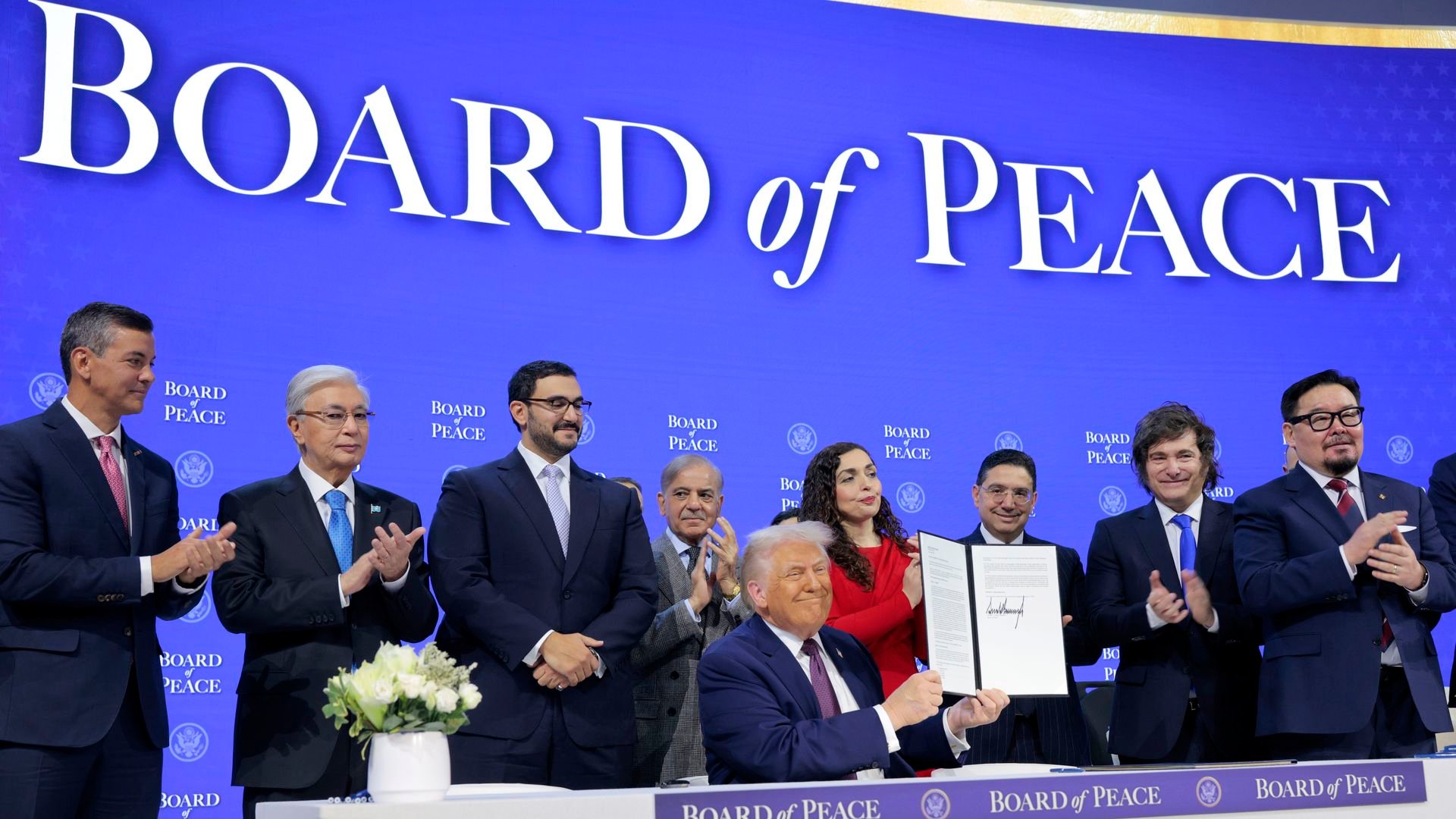
The Board of Peace, established to monitor the Gaza ceasefire, represents a $2.3 billion multinational initiative funded primarily by U.S. and EU contributions. Its formation follows six months of volatile negotiations between Israeli and Palestinian authorities, during which regional stock markets fluctuated wildly - the Tel Aviv Stock Exchange's TA-125 index swung 18% between October 2025 and January 2026 amid ceasefire uncertainty.
Netanyahu's refusal carries significant economic implications. Defense sector stocks reacted immediately, with Israeli arms manufacturers Elbit Systems and Rafael Advanced Defense Systems gaining 3.7% and 4.2% respectively on the news. Conversely, shares in infrastructure firms involved in Gaza reconstruction projects declined, reflecting investor concerns about delayed rebuilding efforts. The diplomatic friction threatens to disrupt $450 million in planned U.S.-Israeli technology partnerships, including joint ventures in cybersecurity and water purification systems scheduled for Q2 2026.
Market analysts note the timing coincides with delicate negotiations over Israel's $38 billion military aid package from Washington. 'This isn't just political posturing,' said Tel Aviv-based geopolitical risk strategist David Levy. 'Netanyahu's calculating the economic cost-benefit of distancing from U.S. initiatives while maintaining military funding. Defense contractors win short-term, but tech startups relying on U.S. venture capital face headwinds.'
The White House hasn't yet announced alternative attendees for the Board's inaugural session, leaving multinational corporations with $1.2 billion in ceasefire monitoring contracts in operational limbo. Further escalations could jeopardize the fragile Gaza reconstruction economy, where international donors have pledged $3.4 billion for infrastructure projects contingent on sustained peace oversight.
Financial institutions are revising Middle East exposure forecasts, with Credit Suisse estimating a 15-20% reduction in regional private investment if diplomatic channels deteriorate further. The situation remains fluid as both governments weigh economic consequences against political objectives.
Comments
Please log in or register to join the discussion