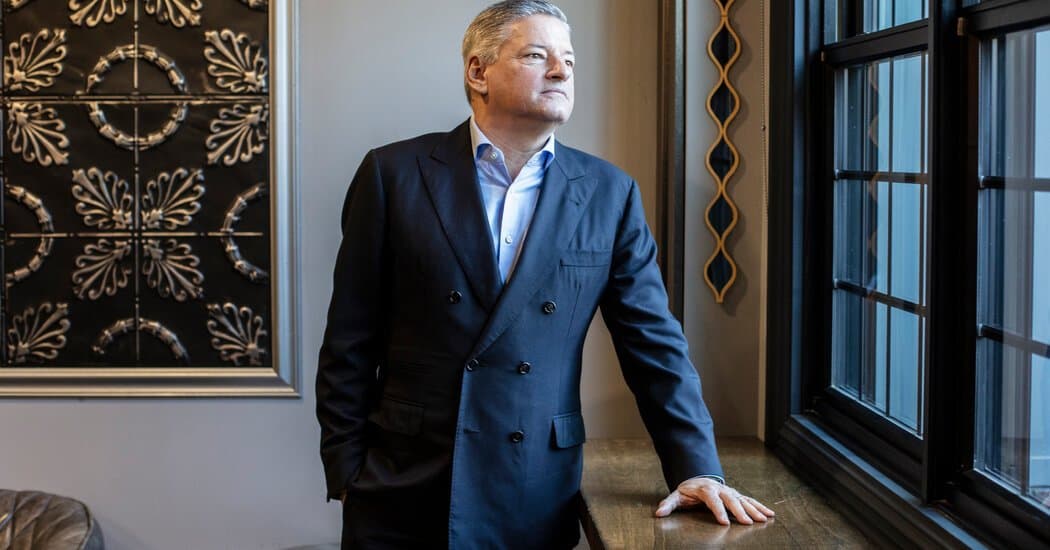
In his first extensive interview since announcing Netflix's bid for Warner Bros. Discovery, co-CEO Ted Sarandos addressed Donald Trump's involvement in the deal and plans to maintain a 45-day theatrical window for WBD releases.
Netflix co-CEO Ted Sarandos has broken his silence on the streaming giant's proposed acquisition of Warner Bros. Discovery, revealing unexpected political connections and strategic content plans in an exclusive New York Times interview. This marks Sarandos' first public comments since Netflix announced its bid for the media conglomerate, a move that would significantly reshape the streaming landscape.
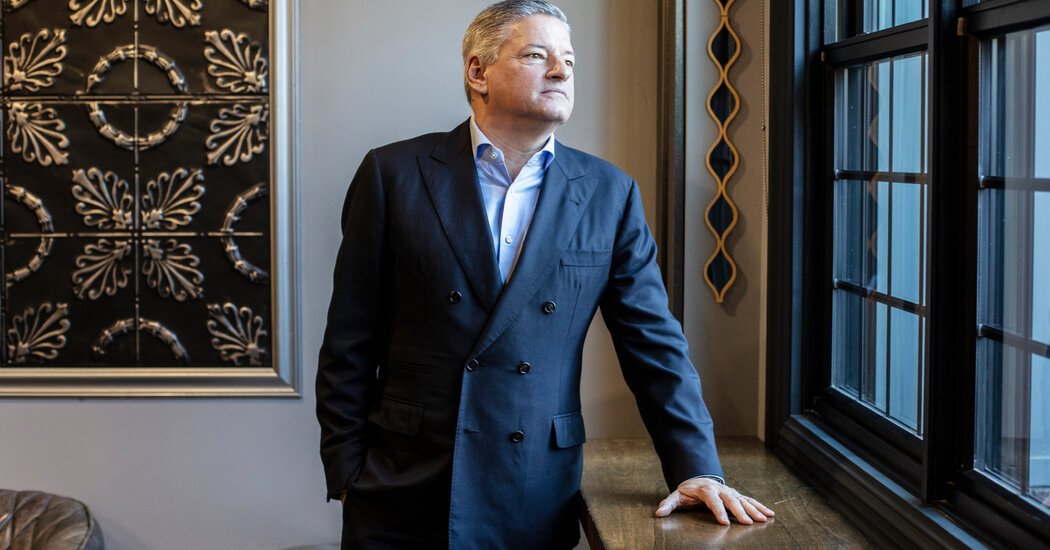
Sarandos confirmed former President Donald Trump played an advisory role in negotiations, describing him as "a strategic consultant who understands media regulation." While Sarandos declined to specify Trump's compensation, he noted the former president's relationships with key regulators helped navigate antitrust considerations. This revelation comes amid ongoing debates about political figures transitioning into media dealmaking after leaving office.
The Netflix executive defended the strategic rationale behind acquiring Warner Bros. Discovery, emphasizing the value of its extensive content library and global production capabilities. "This isn't about eliminating a competitor," Sarandos stated. "It's about creating a sustainable model for premium content creation at scale when production costs keep rising."
A notable concession in the proposed deal involves theatrical releases. Sarandos committed to maintaining Warner Bros. Discovery's existing 45-day exclusive theatrical window for major films before streaming availability. This represents a significant shift for Netflix, which historically prioritized streaming over theatrical runs. Sarandos framed this as a compromise acknowledging theatrical exhibition's importance for filmmakers and revenue generation.
The interview also covered Netflix's plans for integrating Warner Bros. Discovery's cable networks like CNN and HGTV. Sarandos suggested these linear assets could evolve into specialized streaming hubs rather than disappearing entirely. "We see opportunity in curated verticals where passionate audiences already gather," he explained, pointing to sports programming as another area where combined resources could create advantages.
Sarandos addressed employee concerns about potential layoffs post-acquisition, promising a "deliberate integration process" focused on content teams. He noted that Netflix's $17 billion in available cash reserves positioned it to absorb Warner Bros. Discovery's debt burden without compromising content investment.
Industry analysts see this bid as Netflix's attempt to counter Disney's growing streaming dominance. With Warner Bros. Discovery's DC Comics, Harry Potter, and HBO properties, Netflix could gain franchises capable of driving its advertising-tier subscriptions. Sarandos acknowledged this advantage but stressed scale economics as the primary driver: "In the streaming era, content amortization across 250 million global subscribers creates efficiencies smaller players can't match."
The proposed acquisition still faces regulatory scrutiny in multiple countries. Sarandos expressed confidence in approval timelines but conceded Netflix had developed contingency plans should regulators impose significant conditions. When pressed about potential divestitures, he noted that certain Warner Bros. Discovery news assets might be spun off to satisfy regulatory concerns.
This move represents Netflix's largest acquisition attempt since its founding, signaling a maturation from disruptor to industry consolidator. Sarandos framed it as necessary evolution: "We're building the entertainment ecosystem for the next twenty years, not just optimizing for next quarter's subscriptions."
Comments
Please log in or register to join the discussion