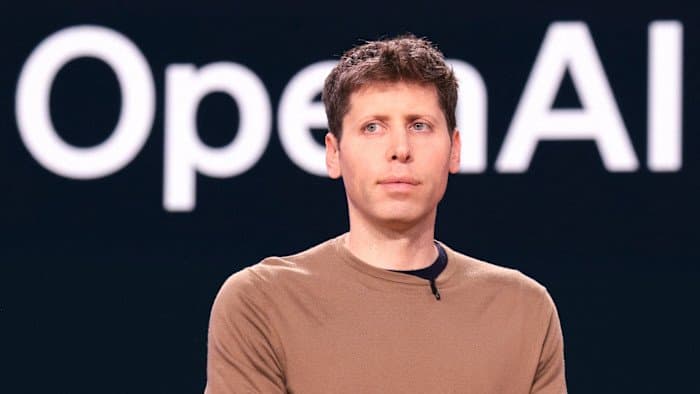
OpenAI CEO Sam Altman says the company is amending its DOD contract to ensure AI isn't used for domestic surveillance of US persons, excluding the NSA from the deal for now.
OpenAI is amending its contract with the Department of Defense to add stronger protections against domestic surveillance, CEO Sam Altman announced following widespread backlash over the initial agreement.
The company has agreed to follow US laws that have historically allowed for mass surveillance, while explicitly excluding the NSA from the current deal. Altman acknowledged that rushing the original contract was a mistake, stating that "the issues are super complex, and demand clear communication" but the company was "trying to de-escalate things."
This development comes amid a broader standoff between AI companies and the Pentagon. While OpenAI is reworking its agreement, Anthropic submitted a bid to compete in a $100 million DOD contest to develop voice-controlled, autonomous drone swarming technology. The dispute has escalated to the point where the US Treasury Department, State Department, and federal housing agency are terminating all use of Anthropic products, with the State Department planning to switch to OpenAI alternatives.
The controversy highlights the complex balance between national security applications and privacy concerns as AI companies navigate military contracts. OpenAI's decision to amend the contract suggests growing awareness of public sensitivity around surveillance capabilities, even as the company maintains its commitment to working with defense agencies on approved applications.
Sources indicate that the amended contract will include specific language prohibiting the use of OpenAI's technology for domestic surveillance of US persons, addressing one of the primary concerns raised by privacy advocates and lawmakers. The exclusion of the NSA from the current deal represents a significant concession, given the agency's central role in signals intelligence and surveillance operations.
The situation reflects broader tensions in the tech industry over military partnerships, with companies like Google previously facing internal protests over Pentagon contracts. OpenAI's approach of amending rather than canceling the contract suggests an attempt to maintain defense relationships while addressing public concerns about surveillance overreach.
Altman's acknowledgment of the rushed process indicates the company may have underestimated the political and public relations complexity of military AI contracts. The experience appears to have prompted a more cautious, consultative approach to future defense partnerships, with clearer boundaries around permissible use cases.
The amended contract represents a compromise that allows OpenAI to continue working with the Department of Defense on approved military applications while establishing explicit guardrails against domestic surveillance. This approach may serve as a template for other AI companies navigating similar military partnership discussions in an era of heightened privacy concerns.
The exclusion of the NSA specifically suggests OpenAI is drawing a line between traditional defense applications and intelligence gathering operations, though the long-term implications for the company's relationship with US intelligence agencies remain unclear. As AI capabilities continue to advance, the debate over appropriate military and intelligence applications is likely to intensify, with OpenAI's experience providing early lessons for the industry.
Comments
Please log in or register to join the discussion