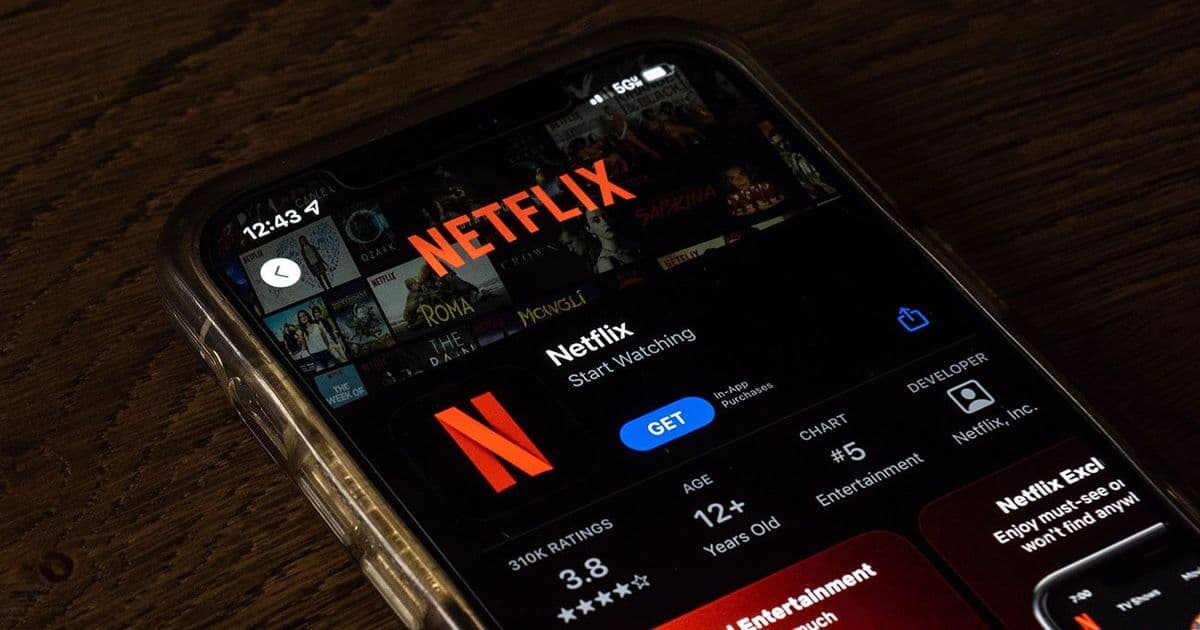
As Netflix pushes into short-form vertical video, its plans to introduce video podcasts and a redesigned mobile interface reveal a strategic shift to compete with TikTok and YouTube while grappling with the inherent tensions between its premium content model and the algorithmic, creator-driven nature of vertical feeds.
Netflix's recent earnings call and subsequent announcements from co-CEO Greg Peters have shed light on a significant evolution in the platform's strategy: the deliberate expansion of its vertical video feed, a feature that currently feels more like a test than a core experience. The company is planning to introduce new content types, specifically video podcasts, and is targeting a full rollout of a new mobile user interface later in 2026. This move places Netflix in direct competition with the dominant forces of short-form video—TikTok and YouTube Shorts—but on its own terms, attempting to blend its premium, long-form DNA with the addictive, scrollable format.
The evidence for this pivot is mounting. Netflix's Q4 2025 earnings showed robust growth, with revenue up 18% year-over-year to $12 billion and paid subscribers reaching 325 million. However, the company's future growth is increasingly tied to engagement metrics beyond mere subscription numbers. The vertical feed, initially launched as a "Fast Laughs" feature for comedy clips, has evolved into a more general-purpose discovery tool. The introduction of video podcasts represents a novel content category for the platform. Unlike traditional TV shows or films, podcasts are inherently conversational, often lower-budget, and built around personality and niche interests—attributes that align well with the vertical format's casual, intimate feel. This suggests Netflix is looking to attract creators and audiences who might not engage with its high-production-value originals but are drawn to the platform for specific, personality-driven content.
This strategy is not without its contradictions. Netflix's brand is built on curated, high-quality, "binge-worthy" content. The vertical feed, by contrast, is designed for passive, endless scrolling and algorithmic discovery. Introducing podcasts—a format often associated with independent creators and open platforms like Spotify or YouTube—into a walled garden like Netflix creates a unique tension. Will Netflix commission exclusive podcasts, or will it license existing ones? If it commissions, it risks alienating podcasters who value the direct audience relationship and monetization flexibility of independent platforms. If it licenses, it may struggle to differentiate its podcast offering from competitors. Furthermore, the planned mobile UI overhaul, slated for 2026, indicates that the current interface is not optimized for this new consumption pattern. A successful redesign would need to seamlessly integrate the vertical feed without disrupting the primary use case of watching long-form content—a complex UX challenge.
Counter-perspectives highlight the risks. Some industry observers argue that Netflix is chasing a trend rather than building on its core strength. The vertical video space is already saturated, dominated by platforms with mature creator ecosystems and advertising models that Netflix has only recently begun to explore. Netflix's ad tier, while growing (ad revenue hit $1.5B in 2025, up 2.5x), is still a small fraction of its total revenue. Monetizing a podcast feed through ads could be challenging, especially if the content is premium and ad-light. Additionally, the company's reported interest in acquiring Warner Bros. Discovery (WBD) for $82.7B in an all-cash deal suggests a focus on consolidating traditional media assets rather than overhauling its digital experience. The WBD deal, if pursued, would be a monumental undertaking that could divert resources and attention from platform innovation.
The broader pattern here is a tech giant attempting to redefine its identity. Netflix started as a DVD rental service, became a streaming pioneer, and is now positioning itself as a comprehensive entertainment hub. The vertical feed is its attempt to capture the next generation of viewers who live on their phones and expect content to be delivered in a fluid, personalized stream. Yet, the company must balance this with its legacy as a purveyor of prestige television and film. The success of this pivot will depend on whether Netflix can attract a new class of creators and viewers without diluting the quality that made it a household name.
The inclusion of video podcasts is particularly telling. Podcasts have thrived on open platforms where creators can build direct relationships with their audience. By bringing them into a closed ecosystem, Netflix is betting that its brand and distribution power can outweigh the loss of independence. This mirrors the strategy of tech companies like Apple, which has its own podcast subscription service, but with a key difference: Netflix's content is primarily video, not audio. This could appeal to podcasters looking to expand into video, but it also means competing directly with YouTube, the undisputed king of video podcasting.
Ultimately, Netflix's vertical feed ambition is a high-stakes experiment. It's a recognition that the future of streaming isn't just about having the most content, but about delivering it in the way users want to consume it. The planned 2026 mobile UI rollout will be a critical test. If executed well, it could make Netflix a more versatile platform. If executed poorly, it could alienate its core user base and fail to attract the new audiences it seeks. As the company navigates this transition, it will need to answer a fundamental question: Can a platform built on curated, long-form storytelling successfully embrace the chaotic, creator-driven world of vertical video? The answer will shape not just Netflix's future, but the broader landscape of digital entertainment.
Comments
Please log in or register to join the discussion