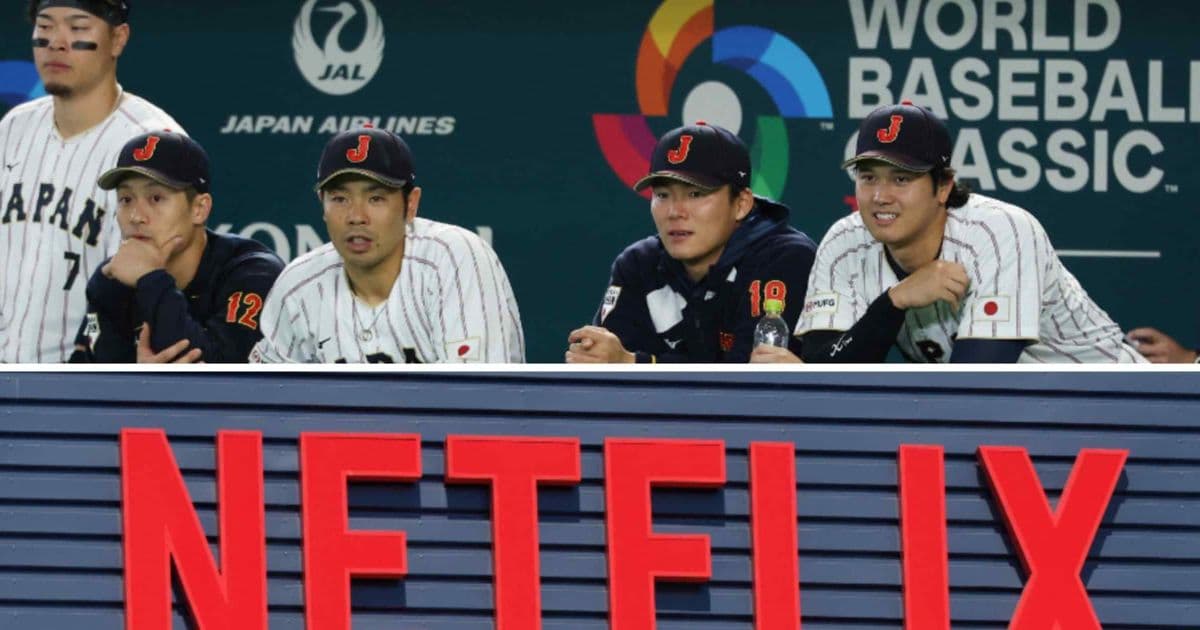
Netflix's exclusive rights to broadcast the World Baseball Classic in Japan have driven downloads to nearly five times their previous levels, validating the streaming giant's strategy to secure major sports content in key markets.
Netflix downloads in Japan have nearly quintupled since the World Baseball Classic began, validating the streaming platform's strategy to secure exclusive broadcasting rights for major sporting events in key markets.
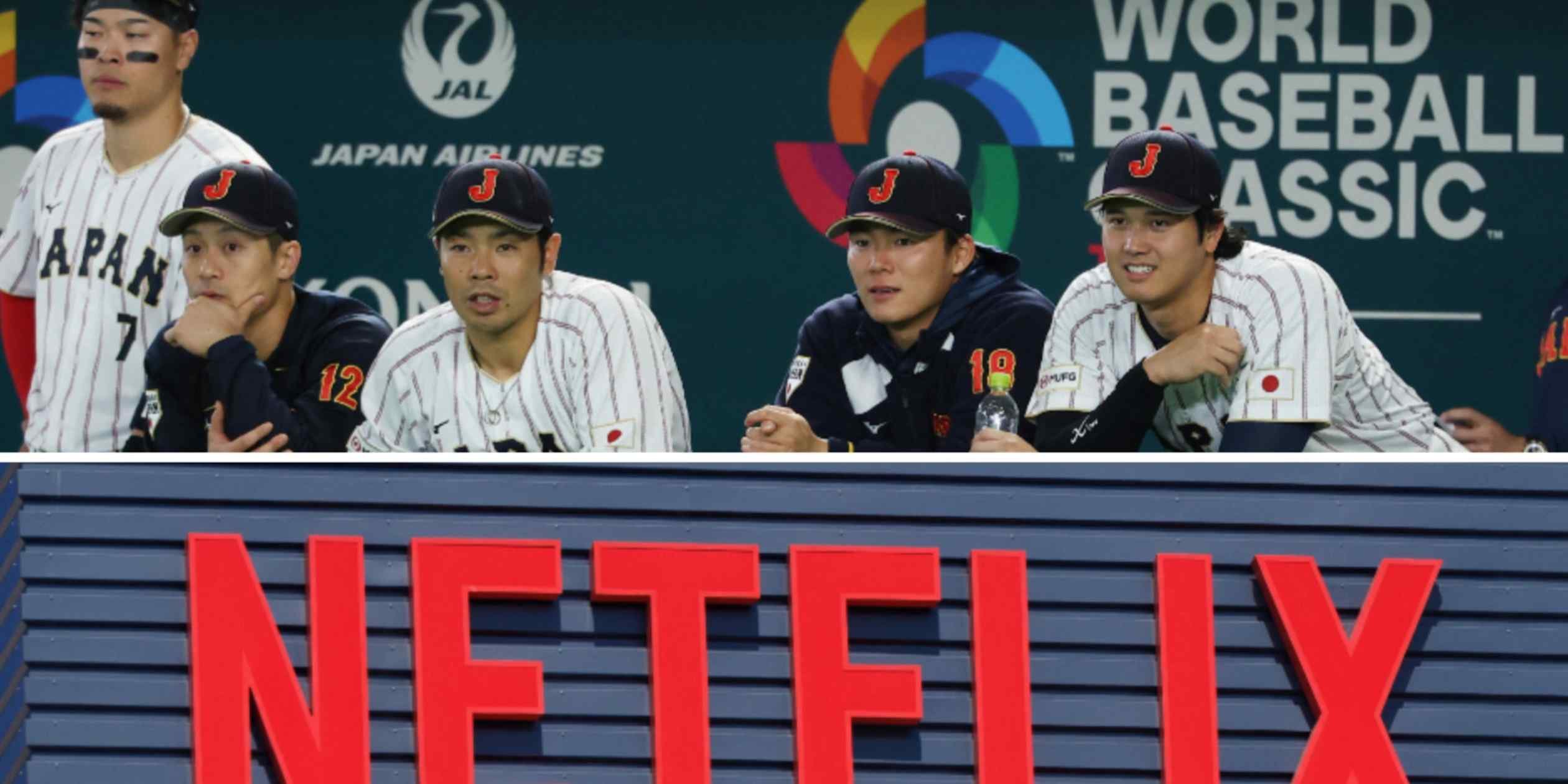
The U.S. streaming giant landed exclusive rights to broadcast the tournament in Japan, where baseball enjoys immense popularity. This move appears to have paid off handsomely, with download numbers surging approximately 400% since the tournament's start.
The World Baseball Classic, a premier international baseball tournament featuring top players from around the globe, has become a major draw for sports fans. By securing exclusive rights, Netflix has positioned itself as the go-to destination for baseball enthusiasts in Japan during the tournament period.
This strategy mirrors similar moves by other streaming platforms globally. Amazon Prime Video, for instance, has secured exclusive rights to Thursday Night Football in the United States, while Apple TV+ has invested heavily in Major League Soccer broadcasting rights. These platforms recognize that exclusive sports content can drive subscriber acquisition and retention, particularly in markets where the sport holds cultural significance.
For Netflix, the timing is particularly strategic. The company has been expanding its sports content offerings, including documentaries and reality shows centered around athletes and teams. The World Baseball Classic broadcast represents a more direct entry into live sports, potentially paving the way for future sports-related content deals.
The surge in downloads demonstrates the power of exclusive content to drive platform adoption. In Japan, where baseball is more than just a sport but a cultural institution, having exclusive access to the World Baseball Classic provides Netflix with a significant competitive advantage over other streaming services.
This success could encourage Netflix to pursue similar exclusive rights deals in other markets and for other sports. The company has already experimented with sports-adjacent content, such as its partnership with the NFL for a Christmas Day game broadcast and its acquisition of Formula 1 broadcasting rights in several regions.
However, sports rights deals come with challenges. They often require substantial financial investment and can be subject to complex negotiations with leagues, teams, and existing broadcasters. Additionally, the value of exclusive rights can vary significantly by region, depending on the sport's popularity and the competitive landscape of streaming services.
For now, Netflix's World Baseball Classic strategy appears to be delivering results in Japan. The dramatic increase in downloads suggests that sports fans are willing to adopt new platforms to access their favorite events, particularly when no alternative viewing options exist.
The company's ability to convert these new users into long-term subscribers will be crucial. While the World Baseball Classic runs for a limited time, Netflix will need to demonstrate ongoing value to retain users who joined specifically for the tournament.
This development also highlights the evolving nature of sports broadcasting in the streaming era. Traditional television networks have long dominated sports rights, but streaming platforms are increasingly competing for these valuable properties. The success of such ventures could accelerate this trend, potentially reshaping how sports content is distributed and consumed globally.
As the World Baseball Classic continues, all eyes will be on Netflix to see if it can maintain its momentum and potentially establish itself as a serious player in sports broadcasting, at least in markets where it secures exclusive rights.
Comments
Please log in or register to join the discussion