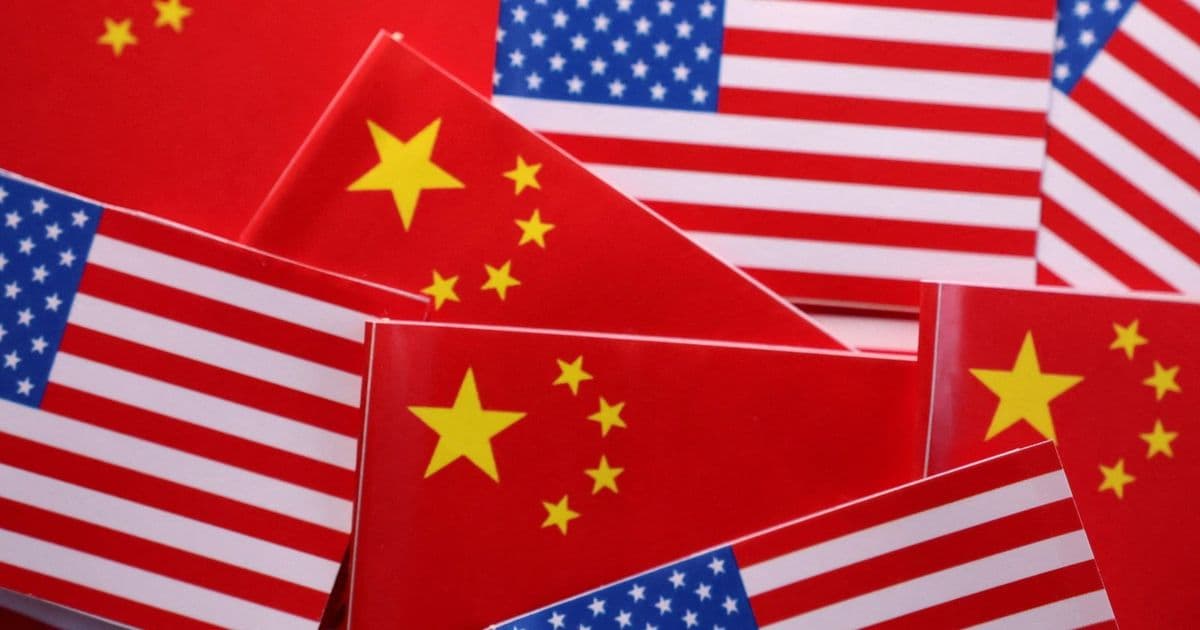
The Neural Information Processing Systems conference reversed a controversial policy that would have banned research papers from scientists at entities under US sanctions, following significant pushback from the Chinese research community.
The Neural Information Processing Systems (NeurIPS) conference has reversed a policy change that would have banned papers from researchers at any entity under US sanctions, following substantial backlash from Chinese researchers. The reversal, announced on March 27, 2026, comes after the initial policy sparked widespread concern about its impact on global academic collaboration and the free exchange of scientific ideas.
What Happened
NeurIPS, one of the premier conferences in machine learning and artificial intelligence, initially announced a policy that would prohibit submissions from researchers affiliated with entities subject to US government sanctions. This would have affected numerous academic institutions and research labs in China, Iran, Russia, and other countries under various US sanctions regimes.
The policy change was met with immediate criticism from researchers worldwide, with particular concern voiced by the Chinese AI research community. Critics argued that such a ban would:
- Disrupt international scientific collaboration
- Exclude valuable research contributions based on geopolitical factors rather than scientific merit
- Create a two-tier system in AI research
- Potentially violate principles of academic freedom
The Reversal
Following the backlash, NeurIPS organizers reversed course, acknowledging that the policy was "not aligned with our commitment to fostering inclusive scientific discourse." In a statement, the conference organizers emphasized that "research evaluation should be based solely on the quality and contribution of the work itself, not on the geopolitical affiliations of the authors."
The reversal was welcomed by many in the research community. As one Chinese researcher noted, "Scientific progress thrives on open collaboration and the free exchange of ideas. Political considerations should not determine what research gets published or presented."
Context and Implications
This incident occurs amid increasing geopolitical tensions affecting technology and research. US sanctions have increasingly targeted Chinese tech companies and research institutions, with concerns about technology transfer and national security driving much of this policy.
The NeurIPS reversal highlights a growing tension between geopolitical considerations and the traditional values of the scientific community. Academic conferences and journals have historically operated on principles of open access and merit-based evaluation, but these are increasingly being challenged by political realities.
For the AI research community specifically, this reversal is significant. AI research is inherently global, with breakthroughs often emerging from international collaboration. Policies that restrict participation based on nationality or institutional affiliation risk slowing progress in a field that benefits from diverse perspectives and approaches.
What This Means for the Future
The NeurIPS case may set a precedent for how other academic conferences and publications handle similar situations. It suggests that the research community may push back against policies that politicize scientific exchange, even in the face of geopolitical pressures.
However, the incident also highlights the vulnerability of international scientific collaboration to political tensions. As geopolitical divisions deepen, similar conflicts may arise in other domains, potentially affecting areas like climate research, public health, and other fields that benefit from global cooperation.
The NeurIPS organizers have indicated they will establish a task force to develop policies that balance the need for open scientific exchange with ethical considerations, without resorting to broad exclusions based on geopolitical factors.
For researchers worldwide, the message is clear: while geopolitical tensions may create obstacles, the scientific community remains committed to principles of openness, collaboration, and merit-based evaluation. The NeurIPS reversal serves as a reminder of these values and the importance of defending them in an increasingly divided world.
Related resources:
- NeurIPS Conference Website
- Reuters Coverage of the Story
- South China Morning Post Analysis
- Hong Kong Free Press Report
Comments
Please log in or register to join the discussion