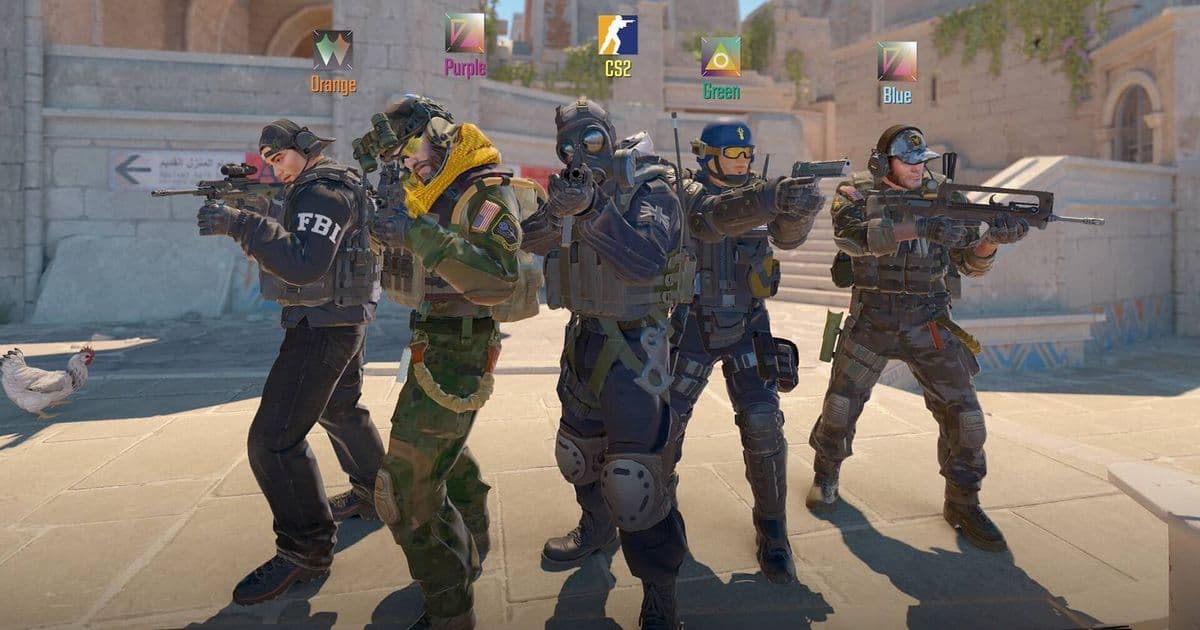
New York Attorney General files lawsuit against Valve, alleging CS2 loot boxes constitute illegal gambling and violate consumer protection laws.
The state of New York has filed a lawsuit against Valve Corporation, the developer and publisher of Counter-Strike 2 (CS2), alleging that the game's loot box system constitutes illegal gambling and violates consumer protection laws. The lawsuit, filed by New York Attorney General Letitia James, claims that Valve has been promoting and facilitating illegal gambling through its in-game loot boxes, which allow players to purchase randomized virtual items with real money.
The Allegations
The lawsuit centers on CS2's loot box system, which allows players to purchase keys to unlock virtual cases containing randomized weapon skins and other cosmetic items. The Attorney General's office argues that these loot boxes are essentially slot machines, where players pay real money for a chance at valuable virtual items that can be traded or sold for real-world currency.
According to the complaint, Valve has created a "virtual casino" within CS2, where players can spend money on loot boxes with no guarantee of receiving valuable items. The lawsuit alleges that Valve has been aware of the gambling aspect of loot boxes for years but has continued to promote and profit from the system.
The Legal Basis
The lawsuit is based on New York's gambling laws and consumer protection statutes. The Attorney General's office argues that loot boxes meet the legal definition of gambling because they involve:
- Payment of real money for a chance to win a prize
- The outcome is determined by chance rather than skill
- The prizes have value and can be exchanged for real money
Additionally, the lawsuit claims that Valve has violated consumer protection laws by failing to disclose the odds of receiving specific items from loot boxes and by targeting minors with gambling-like mechanics.
Valve's Response
Valve has not yet issued an official statement regarding the lawsuit. However, the company has previously defended its loot box system, arguing that the items are purely cosmetic and do not affect gameplay. Valve has also maintained that it complies with all applicable laws and regulations in the jurisdictions where it operates.
Industry Context
This lawsuit is part of a broader debate about loot boxes and their legal status. Several countries, including Belgium and the Netherlands, have already classified loot boxes as gambling and banned or restricted their use. In the United States, there have been calls for federal legislation to regulate loot boxes, but no comprehensive laws have been enacted.
Potential Impact
If New York prevails in this lawsuit, it could have significant implications for the video game industry. Other states may follow New York's lead and file similar lawsuits against game developers and publishers. Additionally, a ruling against Valve could force the company to change its loot box system or face substantial fines and penalties.
What This Means for Players
For CS2 players, the lawsuit could result in changes to how loot boxes work in the game. If Valve is forced to modify its system, players might see:
- Increased transparency about drop rates
- Changes to how items can be traded or sold
- Potential removal of loot boxes altogether
- Implementation of alternative monetization methods
The Broader Debate
This lawsuit highlights the ongoing debate about the ethics of loot boxes and their impact on players, particularly younger audiences. Critics argue that loot boxes exploit psychological principles similar to those used in gambling and can lead to problematic spending behaviors.
Supporters of loot boxes, including many game developers, argue that they provide a way for players to support games they enjoy while receiving optional cosmetic items. They also point out that loot boxes are not required to play or progress in most games.
Looking Ahead
The outcome of this lawsuit could set an important precedent for how loot boxes are regulated in the United States. If New York is successful, it may encourage other states to take similar action, potentially leading to a patchwork of regulations that game companies would need to navigate.
For now, CS2 players and the broader gaming community will be watching closely to see how this case develops and what it might mean for the future of in-game monetization.
Comments
Please log in or register to join the discussion