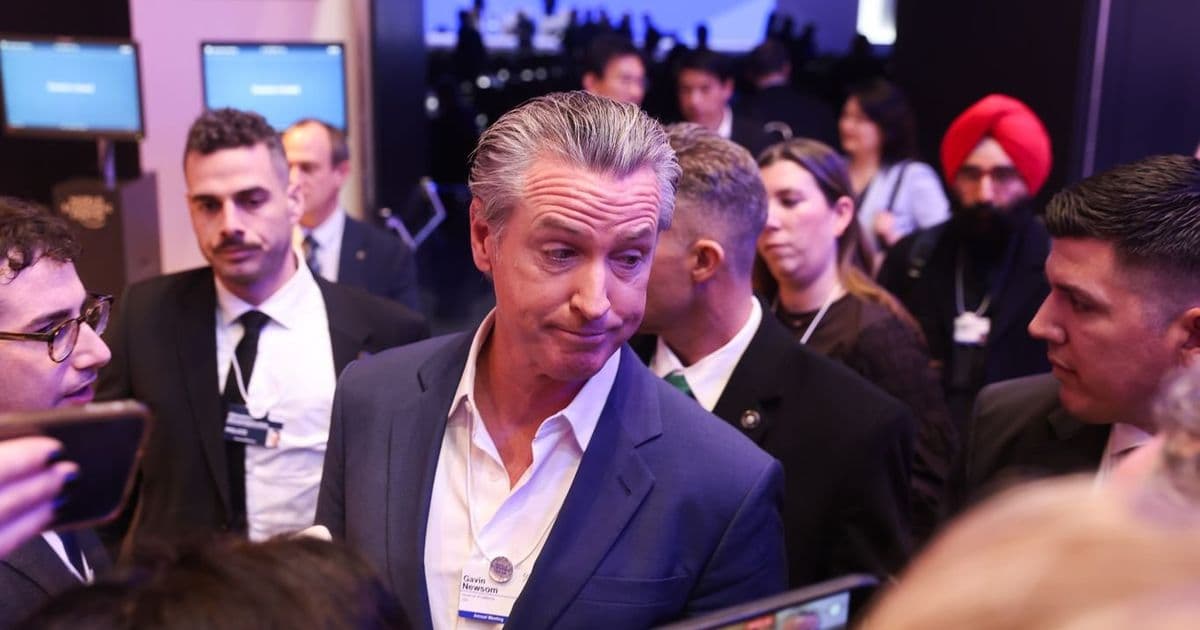
California Governor Gavin Newsom, speaking at the World Economic Forum in Davos, characterized the Western alliance as 'dormant, not dead,' suggesting a period of internal reorganization rather than terminal decline. His remarks come amid shifting geopolitical alignments and economic pressures that challenge traditional transatlantic cooperation.
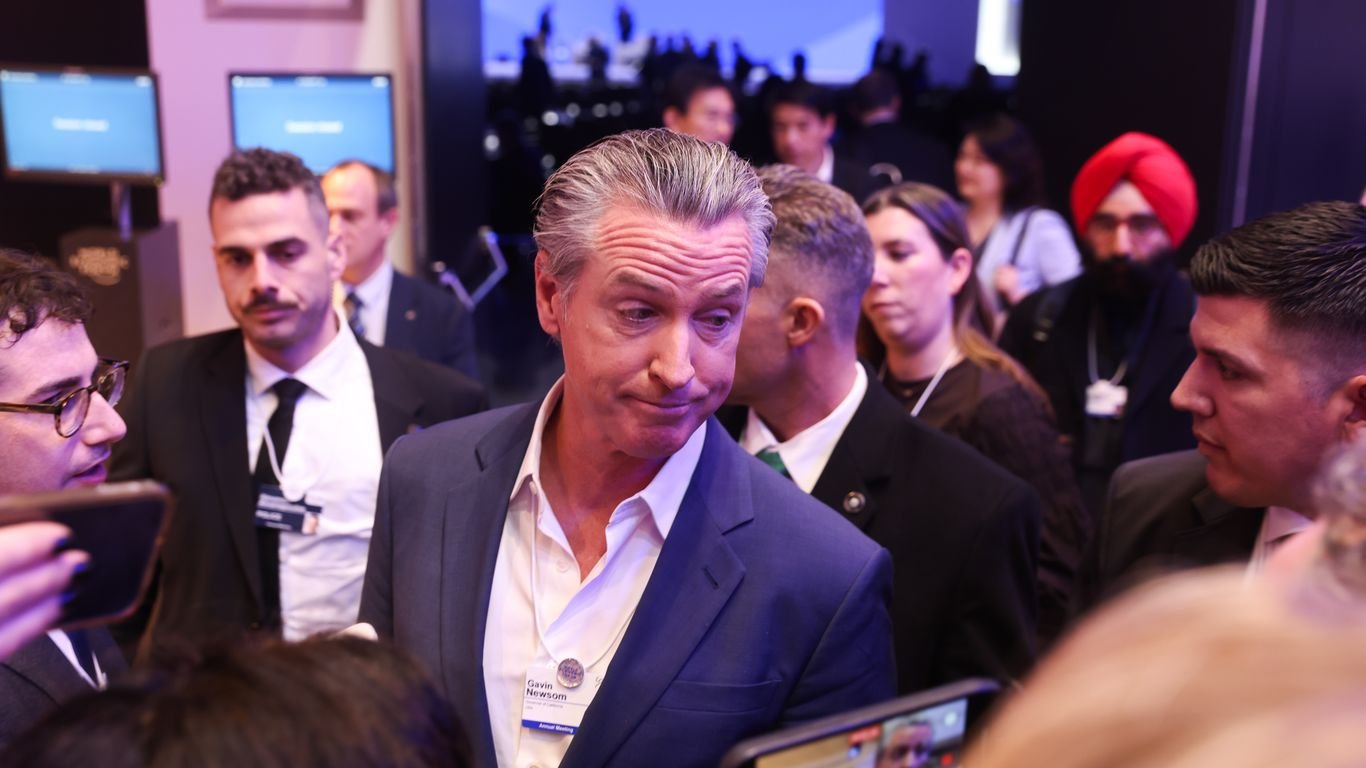
California Governor Gavin Newsom, speaking at the World Economic Forum in Davos, characterized the Western alliance as 'dormant, not dead.' His assessment suggests a period of internal reorganization rather than terminal decline for the transatlantic partnership that has shaped global order since World War II.
The governor's comments arrive at a moment of significant strain within Western alliances. NATO members continue to debate burden-sharing, with the United States pressing European partners to increase defense spending to meet the 2% of GDP target. Only 11 of 31 NATO members met this threshold in 2023, according to alliance data, creating friction that undermines collective security commitments.
Economic pressures further complicate the alliance's cohesion. The European Union's economy contracted by 0.5% in 2023, while the United States grew 2.5%, widening the economic divergence that affects policy coordination. Trade disputes over electric vehicle subsidies, agricultural tariffs, and digital services taxes persist despite diplomatic efforts to resolve them.
Newsom's 'dormant' characterization implies the alliance retains underlying strength but requires activation. This perspective aligns with historical patterns where Western cooperation has ebbed and flowed. The 1970s oil crisis, 1980s trade wars, and 2000s Iraq War all tested transatlantic unity, yet the core institutions—NATO, G7, OECD—endured.
The governor's Davos appearance highlights California's growing role in foreign policy. With a $3.9 trillion economy larger than most nations, California's trade relationships and climate policies create de facto foreign policy. Newsom has leveraged this position, signing climate agreements with China and European partners that bypass federal gridlock.
Technology competition with China represents another stress point. The CHIPS Act allocation of $52 billion for semiconductor manufacturing reflects U.S. industrial policy, but European partners have responded with their own €43 billion European Chips Act. This parallel investment suggests coordination challenges rather than unified strategy.
The 'dormant' assessment may prove accurate if Western nations address structural issues. Defense spending alignment, trade dispute resolution, and coordinated China policy could reactivate cooperation. However, domestic political polarization in the U.S. and Europe complicates long-term commitments.
Newsom's Davos remarks signal that subnational actors increasingly shape international relations. As federal governments struggle with partisan divisions, states and regions may fill the void, creating a more fragmented but still functional Western alliance structure.
Comments
Please log in or register to join the discussion