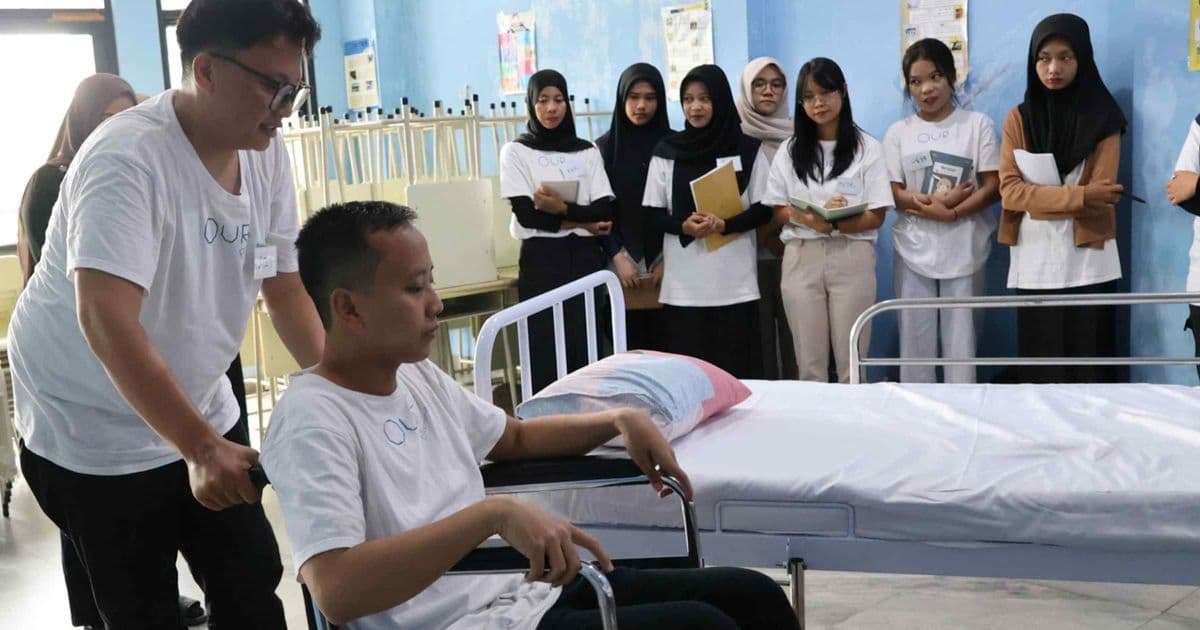
Indonesia's educated youth are increasingly seeking specified skill visas to work in Japanese nursing homes, driven by domestic unemployment and Japan's severe labor shortages in elderly care.
Indonesia's university graduates are increasingly turning to Japan for employment opportunities, with a particular focus on the nursing and elderly care sectors. This trend is driven by a combination of high unemployment rates in Indonesia and severe labor shortages in Japan's nursing homes, creating a unique migration pattern that benefits both nations.
The Push Factors in Indonesia
Indonesia's job market presents significant challenges for recent graduates. Despite increasing educational attainment, the country faces persistent unemployment issues, particularly among young professionals. Many Indonesian university graduates find themselves unable to secure positions that match their qualifications or provide adequate compensation. This mismatch between education and employment opportunities has created a pool of skilled workers seeking opportunities abroad.
Japan's Critical Labor Shortage
Japan's demographic crisis has created unprecedented demand for foreign workers, particularly in elderly care. The country's rapidly aging population, combined with a declining birth rate, has left nursing homes and care facilities struggling to maintain adequate staffing levels. This shortage has become so severe that facilities are actively recruiting internationally, with Indonesia emerging as a key source of qualified workers.
The Japanese government has responded to this crisis by expanding visa programs for foreign workers, particularly in sectors facing critical shortages. The specified skilled worker visa program has become a primary pathway for Indonesian graduates to enter the Japanese workforce legally and with clear career prospects.
Training and Preparation
Indonesian institutions are adapting to meet this demand by offering specialized training programs. The Jakarta branch of Onodera User Run, for example, provides practice sessions for prospective workers, including training in assisting people with wheelchairs and other essential care skills. These programs ensure that Indonesian workers arrive in Japan with the necessary qualifications and practical experience to meet the demanding requirements of elderly care.
Economic Implications
The migration of Indonesian workers to Japan represents a significant economic opportunity for both countries. For Indonesia, it provides an outlet for educated workers who might otherwise remain unemployed, while also creating opportunities for remittances back to families. For Japan, it offers a solution to critical labor shortages without requiring major policy shifts on immigration.
This arrangement also helps Japanese nursing homes maintain service quality and meet the growing demand for elderly care. The influx of Indonesian workers helps prevent the deterioration of care standards that might otherwise occur due to understaffing.
Broader Regional Context
The Indonesian migration to Japan is part of a larger pattern of labor mobility in Asia. Similar trends are emerging in other sectors, with Indonesian and Indian nurses finding high demand among German recruiters, and Japanese truck driver shortages sparking hiring sprees in Vietnam and Indonesia. These patterns reflect the interconnected nature of Asia's labor markets and the ongoing demographic challenges facing developed economies.
Future Prospects
As Japan's population continues to age and Indonesia's young workforce grows, this migration pattern is likely to intensify. The success of current programs may lead to expanded opportunities in other sectors facing labor shortages, potentially creating a more permanent pattern of skilled labor migration between the two countries.
The arrangement also raises questions about long-term integration and the potential for these workers to contribute to Japan's economy beyond their initial employment terms. As more Indonesian graduates gain experience in Japan, some may choose to extend their stays or pursue additional opportunities, potentially leading to more diverse communities and economic contributions.
Conclusion
The movement of Indonesian university graduates to Japanese nursing homes represents a pragmatic solution to labor market challenges on both sides. It demonstrates how demographic and economic pressures can create unexpected opportunities for international cooperation, while also highlighting the ongoing transformations in Asia's labor markets as countries adapt to changing demographic realities.
Comments
Please log in or register to join the discussion