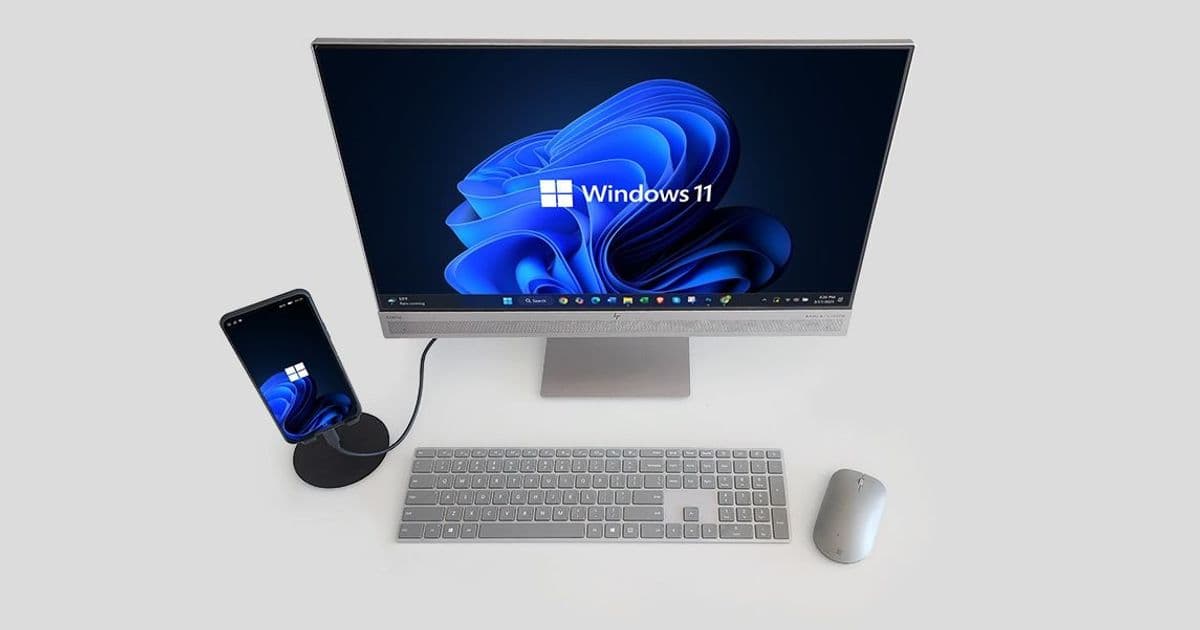
Nex Computer's new NexPhone combines Android, Linux, and Windows 11 on a single device powered by the Qualcomm QCM6490 chipset, offering a unique convergence device that bridges mobile and desktop computing with enterprise-grade durability and long-term support.
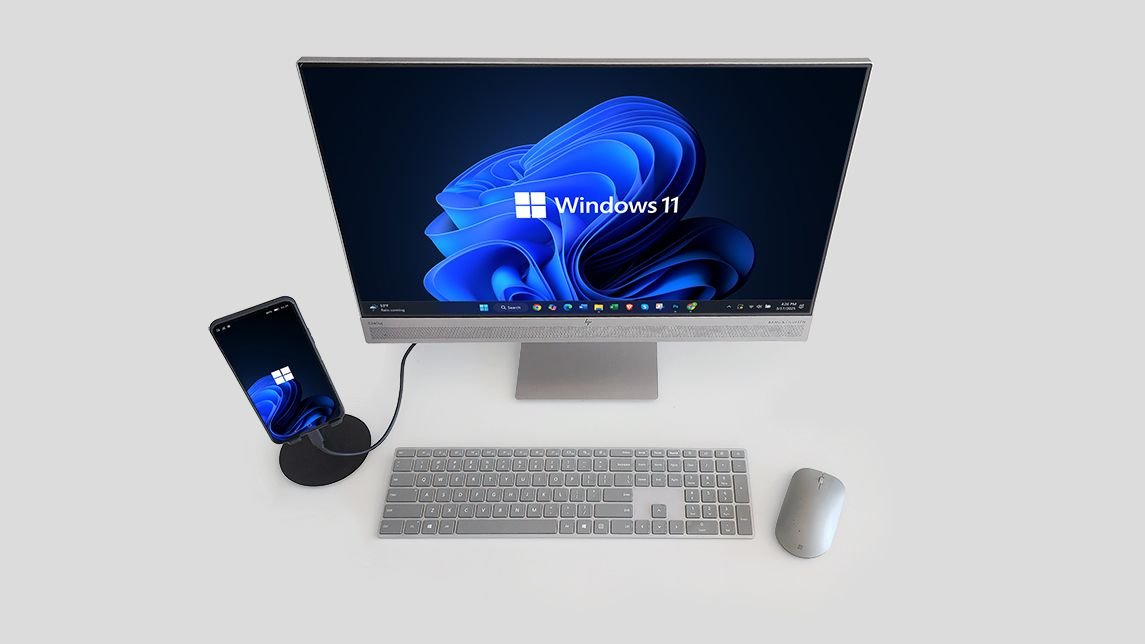
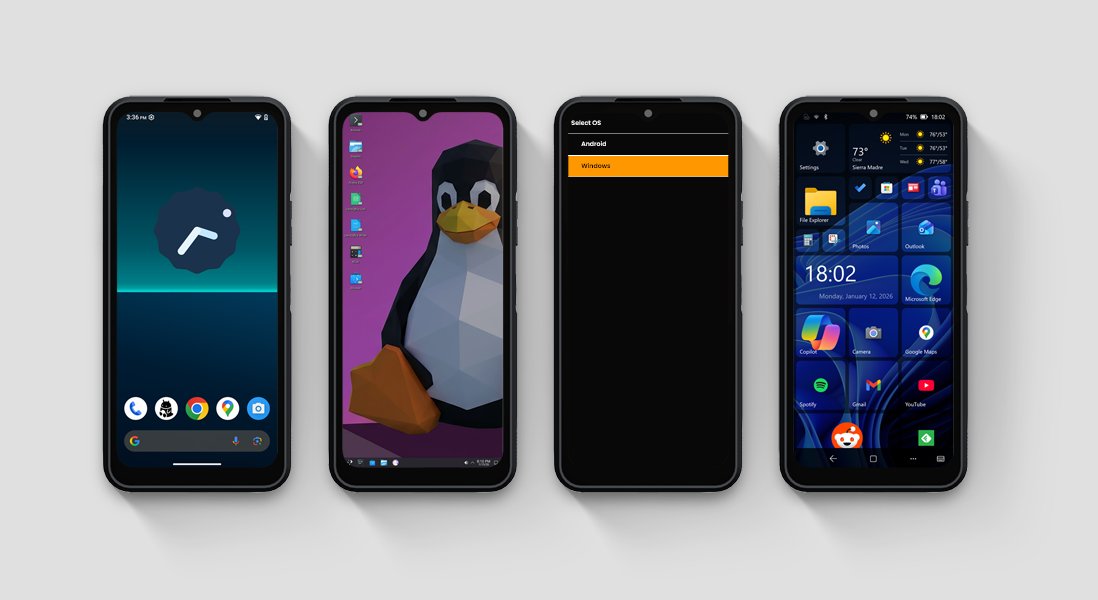
Nex Computer, known for its lapdock accessories, has unveiled the NexPhone—a device that attempts to solve the convergence problem by allowing users to boot into three distinct operating systems on a single piece of hardware. The smartphone runs Android 16 as its primary OS, but can launch a Debian Linux environment as an app within the Android interface, and can also boot directly into Windows 11 with a custom tile-based UI that deliberately echoes the aesthetics of the now-retired Windows Phone platform.
The device's triple-boot capability is powered by the Qualcomm QCM6490 chipset, an Arm-based processor designed for Windows compatibility with long-term support through 2036. This chipset choice is significant because it represents Qualcomm's continued investment in Windows on Arm, providing a platform that can handle the architectural requirements of Microsoft's operating system while maintaining the efficiency expected from mobile silicon.
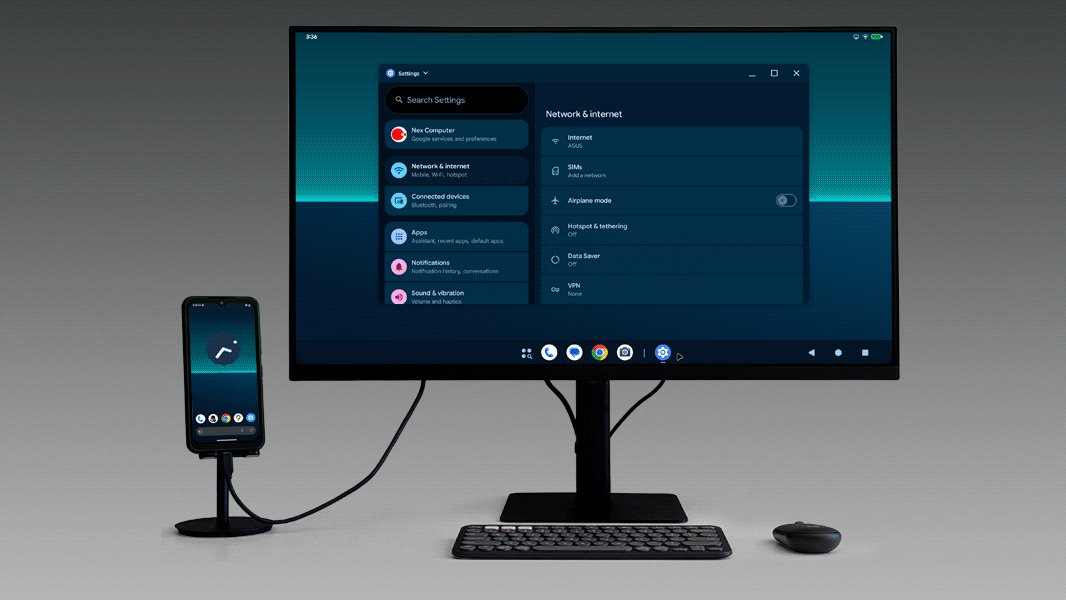
The NexPhone's design prioritizes function over form. While it resembles entry-level smartphones from several years ago, the device meets MIL-STD-810H military standards with IP68 and IP69K protection ratings. This ruggedization means it can withstand drops, shocks, dust, water immersion, salt spray, vibration, and extreme temperatures—making it suitable for industrial environments, field work, or users who need a durable secondary device.
The 6.58-inch LCD display features a 2403x1080 resolution, 120 Hz refresh rate, and Corning Gorilla Glass 3 protection. While not flagship-level, these specifications provide adequate performance for the device's intended use cases. The display's 120 Hz refresh rate is particularly important for smooth UI transitions when switching between operating systems or running demanding applications.
Under the hood, the Qualcomm QCM6490 includes a 64-bit octa-core CPU with boost clocks up to 2.7 GHz, 12GB of RAM, and a Qualcomm Adreno 643 GPU. The 256GB of onboard storage can be expanded via microSD up to 512GB. This configuration provides enough memory and storage to handle multiple operating systems and their respective application ecosystems without significant performance degradation.
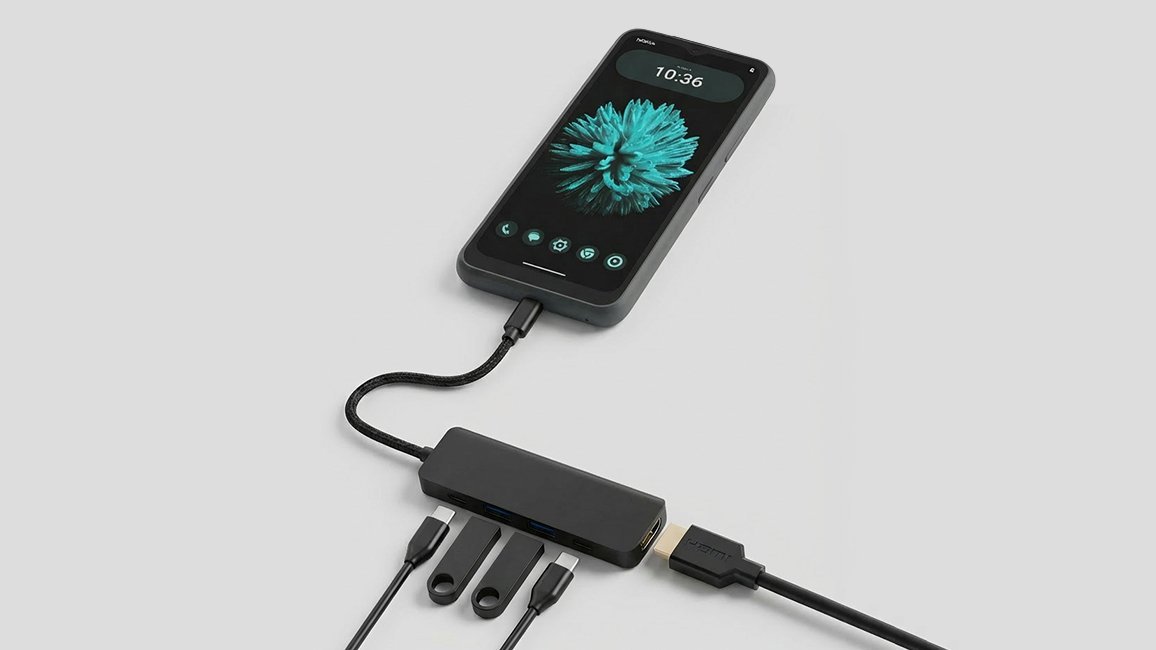
Connectivity is comprehensive for a convergence device: Wi-Fi 6E, Bluetooth 5.2, NFC, and USB Type-C 3.1 with video-out support. The USB-C port enables direct connection to external monitors, allowing the NexPhone to function as a desktop computer. The company also offers a USB-C hub that includes two USB-C ports (one with PD charging), two USB-A ports, and HDMI output—essentially turning the phone into a compact workstation.
The 5,000 mAh battery supports 18W wired fast charging and wireless charging. While not exceptional by modern smartphone standards, this capacity should provide adequate runtime for mixed usage across three operating systems. The dual rear camera setup includes a 64-megapixel primary sensor and a 13-megapixel ultra-wide-angle camera, with a 10-megapixel front camera for selfies and video calls.
Nex Computer positions the NexPhone not as a flagship smartphone replacement, but as a rugged secondary device that doubles as a capable PC for Linux or Windows-based tasks. This positioning acknowledges that the device's performance and features may not compete with premium smartphones, but offers unique value through its versatility and durability.
The triple-boot architecture presents several technical considerations. Running Windows 11 on Arm requires specific application compatibility, though the platform has improved significantly with x64 emulation. The Linux environment runs as an app within Android, which may introduce some performance overhead compared to a native boot, but provides easier access to Linux tools without leaving the Android ecosystem. The custom Windows Phone-style UI for Windows 11 is a nostalgic touch that may appeal to users who preferred Microsoft's earlier mobile interface design.
Priced at $549 with a $199 deposit for pre-reservation, the NexPhone targets a niche market of users who need a single device for multiple computing environments. Shipping is scheduled for Q3 2026, giving the company time to refine the software integration and address potential compatibility issues across the three operating systems.

The device represents an interesting convergence of mobile and desktop computing, though its success will depend on how well the three operating systems integrate and whether the performance meets user expectations for both mobile and desktop tasks. The Qualcomm QCM6490's long-term support through 2036 suggests Nex Computer is targeting enterprise and industrial applications where device longevity is crucial, rather than the consumer smartphone market where upgrade cycles are typically shorter.
For users who regularly switch between Android, Linux, and Windows environments, the NexPhone could eliminate the need to carry multiple devices. However, the trade-off is that each operating system may not be as optimized as on dedicated hardware, and the device's performance may not match dedicated desktops or flagship smartphones. The rugged construction and long-term chipset support make it particularly interesting for field workers, developers, or users in harsh environments who need access to multiple operating systems without carrying multiple devices.
Comments
Please log in or register to join the discussion