A new report suggests Samsung Display is prioritizing Apple's iPhone 18 lineup with its most advanced LTPO+ OLED panels, leaving the Galaxy S26 series with older display technology. This supply chain decision highlights the complex dynamics between Samsung's display manufacturing arm and its mobile division.
A surprising supply chain report from China indicates that Samsung Display is reserving its most advanced display technology for Apple's upcoming iPhone 18 series, while its own Galaxy S26 phones may have to make do with older panel specifications. This apparent prioritization of a key competitor over its own mobile division has sparked discussion about the separate business interests within the Samsung conglomerate.
The Display Technology Gap
According to industry sources, Samsung Display's LTPO+ (Low-Temperature Polycrystalline Oxide) OLED panels represent the cutting edge of mobile display technology. These panels offer significant advantages over standard LTPO displays, including higher peak brightness levels that could reach 2,500 nits or more. For context, the current iPhone 15 Pro Max achieves around 2,000 nits peak brightness in outdoor conditions, while the Galaxy S24 Ultra peaks at approximately 2,600 nits.
The LTPO+ technology also enables more sophisticated refresh rate management. While standard LTPO already allows for variable refresh rates from 1Hz to 120Hz, LTPO+ panels can maintain lower minimum refresh rates more efficiently, potentially extending battery life. More importantly for Apple's design goals, these panels are reportedly thin enough to allow Face ID sensors to be placed behind the display, which could finally eliminate the notch that has been a staple of iPhone design since the iPhone X.
Supply Chain Dynamics
The report singles out BOE (Beijing Oriental Electronics) as the current weak link in Apple's display supply chain. While BOE has successfully supplied OLED panels for some iPhone models, it appears to be struggling with the brightness and quality requirements for LTPO+ technology. This technical limitation has apparently pushed Apple to rely more heavily on Samsung Display and potentially LG Display for its most advanced panels.
This situation creates an interesting dynamic: Samsung Display, as a separate business unit from Samsung Electronics' mobile division, has every incentive to sell its best panels to whoever pays the most. Apple, with its massive order volumes and premium pricing, represents a more lucrative customer than Samsung's own mobile division, which operates on tighter margins due to competitive market pressures.
Galaxy S26's Display Situation
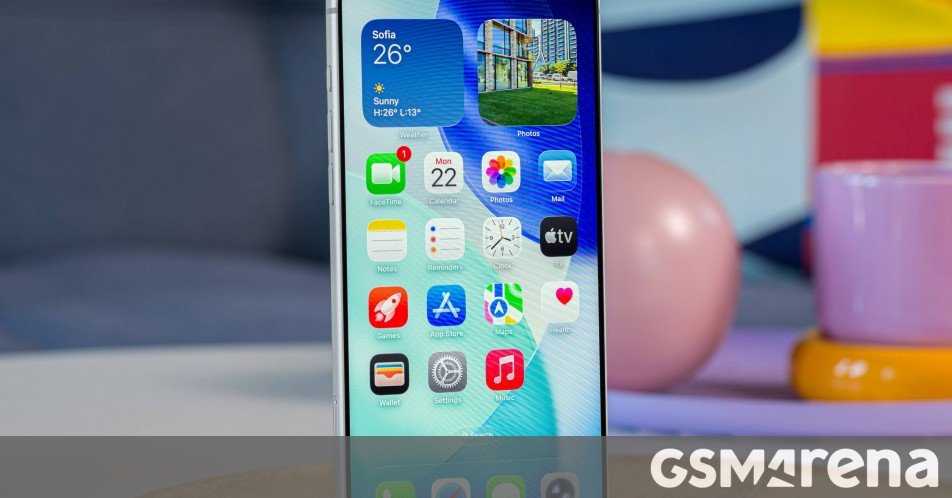
The report suggests that the Galaxy S26 series will feature displays similar to those in the Galaxy S25 lineup, which themselves aren't dramatically different from the S24 series. This would mean Samsung's flagship phones could be using panels that are technically a generation behind what's being supplied to Apple.
However, it's important to note that "similar" doesn't necessarily mean identical. Samsung Display could still make incremental improvements to the panels destined for Galaxy phones, such as better power efficiency or color accuracy, without implementing the full LTPO+ technology stack. The company might also reserve other display innovations for its own phones, like under-display camera technology or improved touch sampling rates.
The Business Reality
This situation isn't unprecedented in the tech industry. Display manufacturers like Samsung Display and LG Display routinely supply panels to multiple companies, including direct competitors. For example, Samsung Display has supplied OLED panels to Apple for years, and LG Display supplies panels for both Apple and Samsung phones.
The key insight here is that Samsung Display and Samsung Electronics are separate business entities with different profit centers. Samsung Display's primary responsibility is to maximize revenue from its display manufacturing capabilities, which means selling to the highest bidder. Samsung Electronics' mobile division, meanwhile, must balance display quality with cost considerations to maintain competitive pricing.
This separation can sometimes lead to situations where Samsung's phones don't get the absolute best displays available, simply because those displays are more profitable to sell to other manufacturers.
What This Means for Consumers
For iPhone users, this report suggests that the iPhone 18 series could see a meaningful display upgrade, particularly in brightness and potentially in the elimination of the notch. The improved brightness would be especially beneficial for outdoor visibility, while the thinner panel could enable a more modern design.
For Galaxy users, the news is less exciting. While the Galaxy S26 will likely still feature excellent displays—Samsung's panels are industry-leading even without the LTPO+ technology—it may not represent the same leap forward that iPhone users might experience. However, Samsung's phones typically offer other display advantages, such as higher resolution (QHD+ vs. Apple's ~2796x1290 on Pro models) and different aspect ratios that some users prefer.
Broader Industry Implications
This report highlights the increasingly complex supply chains in the smartphone industry. As display technology becomes more advanced and expensive to develop, manufacturers like Samsung Display must carefully allocate their production capacity. The decision to prioritize Apple over Samsung's own mobile division reflects the economic realities of the display business.
It also underscores how competition in the smartphone market isn't just about the final product, but about the underlying components. A company like Apple can secure cutting-edge components through its purchasing power, even from competitors' manufacturing divisions. This dynamic will likely continue as display technology advances toward foldable panels, under-display sensors, and other innovations.
The report also mentions that LG Display may join Samsung Display in supplying LTPO+ panels to Apple, which would further diversify Apple's supply chain and potentially reduce its dependence on any single manufacturer. This multi-sourcing strategy has been a hallmark of Apple's approach to managing supply chain risks.
Looking Ahead
While these reports are still in the rumor phase, they align with broader industry trends. Apple has consistently pushed for display improvements, from the introduction of ProMotion (variable refresh rate) to the always-on display on the iPhone 14 Pro. The company's willingness to pay premium prices for cutting-edge technology has often driven innovation across the industry.
Samsung's mobile division, meanwhile, faces the challenge of differentiating its phones when its own display division is supplying superior technology to competitors. This may push Samsung to focus on other areas of innovation, such as camera technology, software features, or design elements that don't rely solely on display specifications.
The situation also raises questions about how long Samsung Display can maintain this dual-supplier role. As the display business becomes more competitive with Chinese manufacturers like BOE catching up, Samsung Display may need to make strategic decisions about which customers to prioritize and how to balance its relationships with both Apple and Samsung Electronics.
For now, consumers can expect the competition between iPhone and Galaxy to continue, but with the underlying component supply chain becoming increasingly intertwined. The best displays may go to the highest bidder, but that doesn't necessarily mean the final products will be dramatically different in quality—just that the business dynamics behind the scenes are more complex than they appear.
Sources: Industry reports from Chinese supply chain analysts, display technology specifications from Samsung Display and Apple documentation, and market analysis from display industry researchers.
Comments
Please log in or register to join the discussion