Japanese automakers are capitalizing on the booming classic car restoration market, with Nissan and Honda launching specialized refurbishment services for beloved 80s and 90s models.
Japanese automakers are getting serious about repairing and restoring older cars as the global fad for well-loved models from the '80s and '90s picks up, with Nissan Motor, Honda Motor and other players focusing more on genuine refurbishment services.
The classic car restoration market is experiencing unprecedented growth, driven by nostalgia for vehicles that defined automotive design and performance in the final decades of the 20th century. This trend has caught the attention of major Japanese manufacturers who are now positioning themselves to capture a share of this lucrative aftermarket.
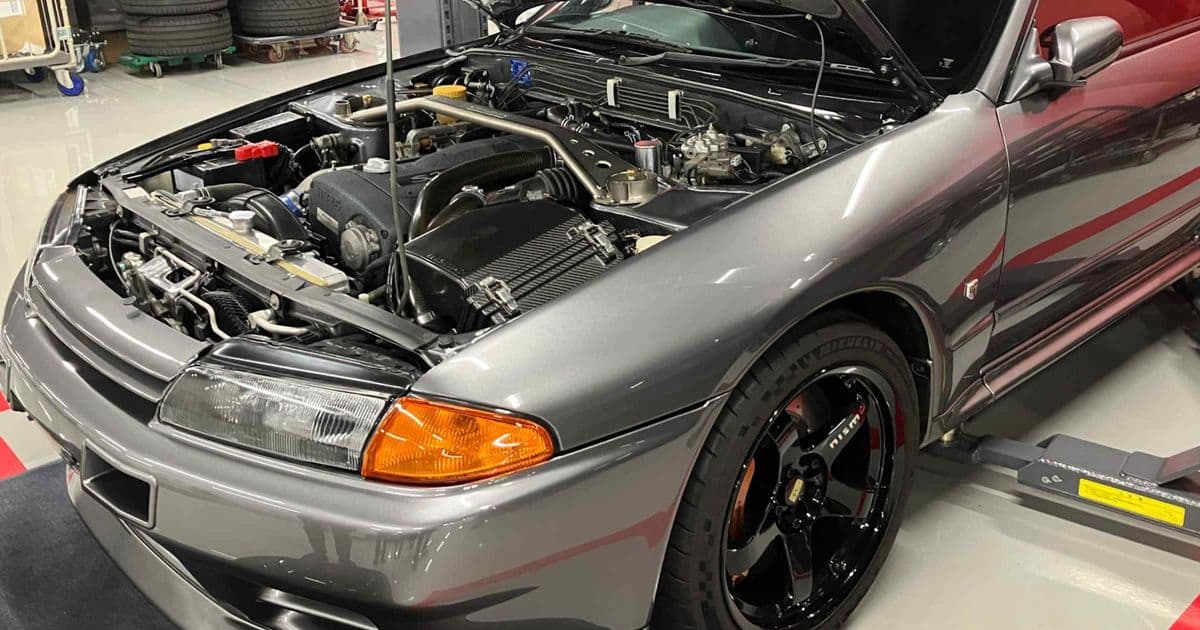
Nissan has taken a particularly aggressive stance, launching comprehensive restoration programs for iconic models like the Skyline GT-R. These services go beyond simple repairs, offering complete overhauls that return vehicles to their original factory specifications. The company's approach includes sourcing or manufacturing replacement parts that match the original components, ensuring authenticity for collectors and enthusiasts.
Honda is following suit with similar initiatives, though specific model details remain under wraps. The company recognizes that many of its 80s and 90s models, particularly performance variants, have developed cult followings that rival those of more expensive European marques.
This strategic pivot represents a significant shift for automakers traditionally focused on new vehicle sales. The restoration business offers several advantages: higher profit margins on parts and labor, strengthened brand loyalty among enthusiasts, and the preservation of automotive heritage that connects to current marketing efforts.
Market analysts note that the timing is particularly advantageous. Many vehicles from this era are now reaching classic status, with owners willing to invest substantial sums in maintaining and improving them. The scarcity of original parts has created a bottleneck that manufacturers are uniquely positioned to address.
For Nissan and Honda, this move also serves as a hedge against the rapid transition to electric vehicles. While the industry pivots toward electrification, there remains a robust market for internal combustion engine vehicles, particularly those with historical significance. By establishing restoration capabilities now, these companies ensure they can serve enthusiasts for decades to come.
The trend extends beyond Japan, with similar initiatives emerging from European and American manufacturers. However, Japanese automakers may have an advantage given the reliability and durability that characterized their vehicles from this period, making restoration a more viable proposition.
As the restoration market continues to mature, expect to see more manufacturers formalizing their approaches, potentially including certification programs for restoration shops and expanded parts catalogs for classic models. The investment in these capabilities today could pay dividends for decades as the appreciation for automotive history shows no signs of slowing.
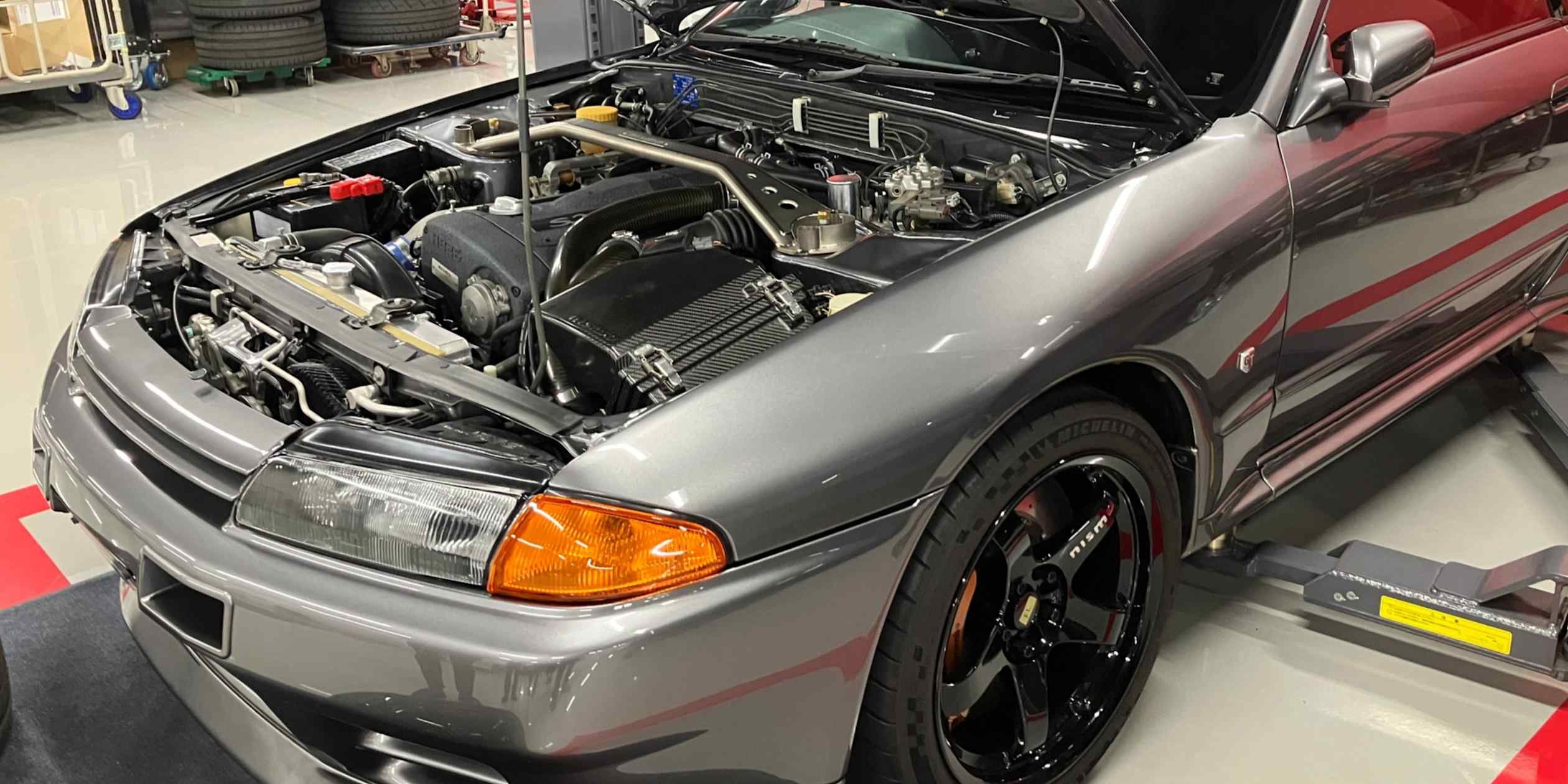
Featured image: A Nissan GT-R model is restored to its full glory of three decades ago. (Photo by Akinobu Masubuchi)
Comments
Please log in or register to join the discussion