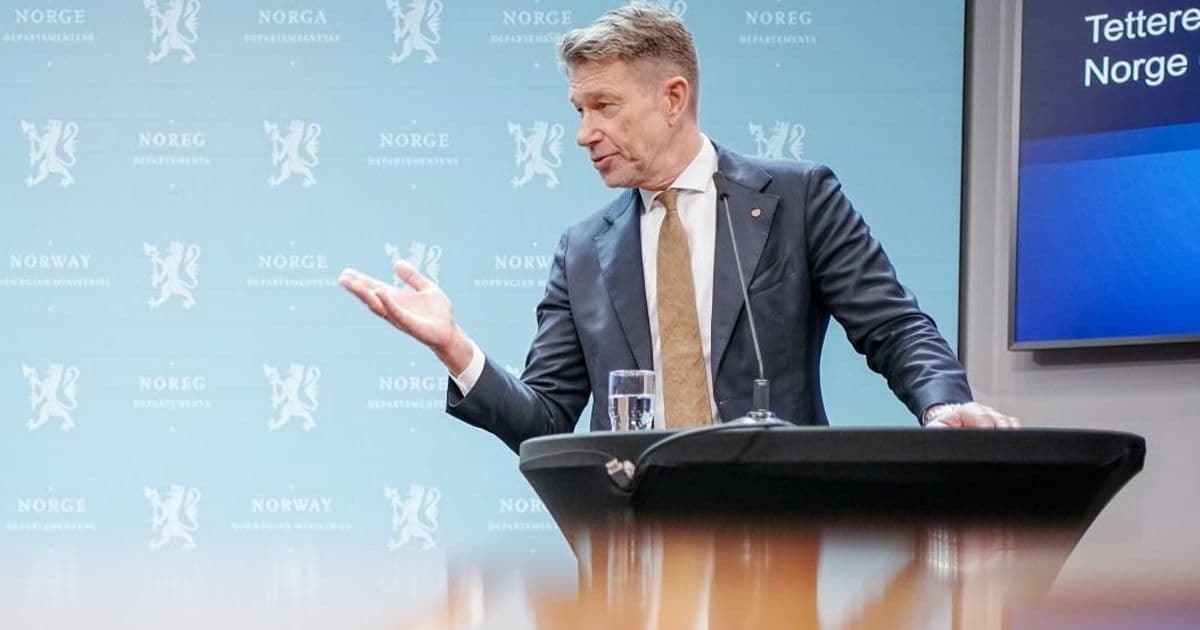
Norway's energy minister warns the country may disconnect from the European power grid over pricing disputes, highlighting fundamental flaws in the continent's unified electricity market design that's pushing up costs for consumers and straining cross-border infrastructure.
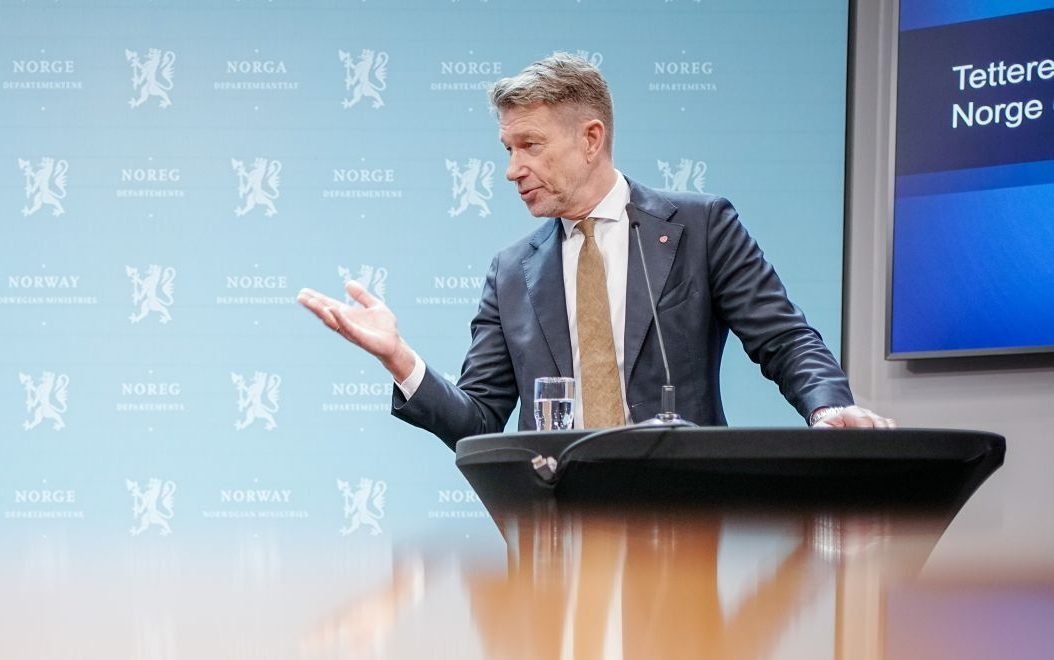
Norway's energy minister has issued a stark warning that the country may disconnect from the European power grid, citing pricing policies that are driving up electricity bills for Norwegian consumers while benefiting German industry. The threat, delivered in an exclusive interview with Euractiv, underscores growing tensions over the design of Europe's electricity market and its ability to accommodate the continent's rapid transition to renewable energy.
At the heart of the dispute are two critical electricity cables connecting Norway to Denmark, known as Skagerak 1 and 2, which are up for renewal this year. "The situation from when Skagerak 1 and 2 were built in 1975 has changed a lot," Energy Minister Terje Aasland told Euractiv, highlighting how the political and technical landscape of European energy has been transformed in the intervening decades.
The Pricing Dilemma
The fundamental issue lies in the asymmetry between Norway and Germany's electricity market designs. While approximately 90% of Norwegian households pay real-time electricity prices that fluctuate with market demand, the vast majority of German consumers are shielded from these fluctuations through fixed-price contracts.
This divergence creates a significant imbalance. When electricity prices spike during peak demand periods—such as when taking a shower can cost over €4 in Norway alone—German consumers remain largely unaffected, while Norwegian households bear the full brunt of market volatility.
"When electricity prices on short-term markets go up, Germans, who are mostly on fixed-price contracts, barely bat an eyelid. But Norwegians, with nine in ten households billed in real time, feel the pain," Aasland explained.
Technical Infrastructure Challenges
The physical manifestation of this political dispute is Norway's extensive network of cross-border electricity cables. With a 25% connection rate to the wider European grid, Norway is more interconnected than energy giants like the Netherlands or France. These six cables have transformed Norway from a regional player into Europe's largest net electricity exporter.
Built during an era when Denmark's grid relied on coal rather than wind, the original cables operated on a symmetrical principle: Norway would export surplus hydroelectric power south during the day, with electricity flowing north at night. However, the massive expansion of variable renewable energy—wind and solar—has fundamentally altered this balance.
"Symmetry is key," Aasland emphasized, noting that the original technical assumptions no longer hold true in today's renewable-heavy grid.
The German Problem
Norway's frustration is largely directed at Germany, whose refusal to split its massive single electricity pricing zone creates inefficiencies that cost billions in grid management fees. While Nordic countries have long since adopted discrete 'bidding zones' that allow for regional price variations, Germany maintains a uniform price across its entire territory.
"Berlin, unable to countenance a world in which Volkswagen in the north and BMW in the south pay different electricity prices, continues to resist calls to split its huge single pricing zone," the Euractiv report explains.
Aasland was direct in his assessment of Germany's stance: "That's up to the German politicians to do, but we organise it in five price zones. When it comes to the technical use of the investments, it is the best way, and they should have different price zones, yes."
Renewable Energy Integration Challenges
Beyond the immediate pricing dispute, Norway's warning highlights a deeper challenge facing Europe's energy transition: the integration of variable renewable sources with traditional baseload power. Norway's extensive hydropower infrastructure has become essential for stabilizing European grids when wind and solar generation fluctuates.
"We are pushing together with Sweden and Finland for more baseload capacity in Europe," Aasland revealed. "The Norwegian hydropower system cannot cover the lack of baseload in Europe by itself."
This growing reliance on Norway's hydropower reserves has fueled domestic resentment, with Norwegian consumers questioning whether the country's massive electricity exports—roughly tripled since the 2000s—are benefiting them or merely serving mainland European interests.
The surge in anti-EU sentiment has seen Brussels increasingly blamed for driving up prices, creating a political backlash against the very infrastructure designed to facilitate energy integration.
As Norway awaits a forthcoming report from its grid operator, Statnett, before making a final decision on the cables, the potential disconnection would represent a significant setback for European energy integration. More importantly, it would underscore the technical and political challenges of designing electricity markets that can effectively balance the competing demands of renewable energy integration, consumer protection, and cross-border cooperation.
Comments
Please log in or register to join the discussion