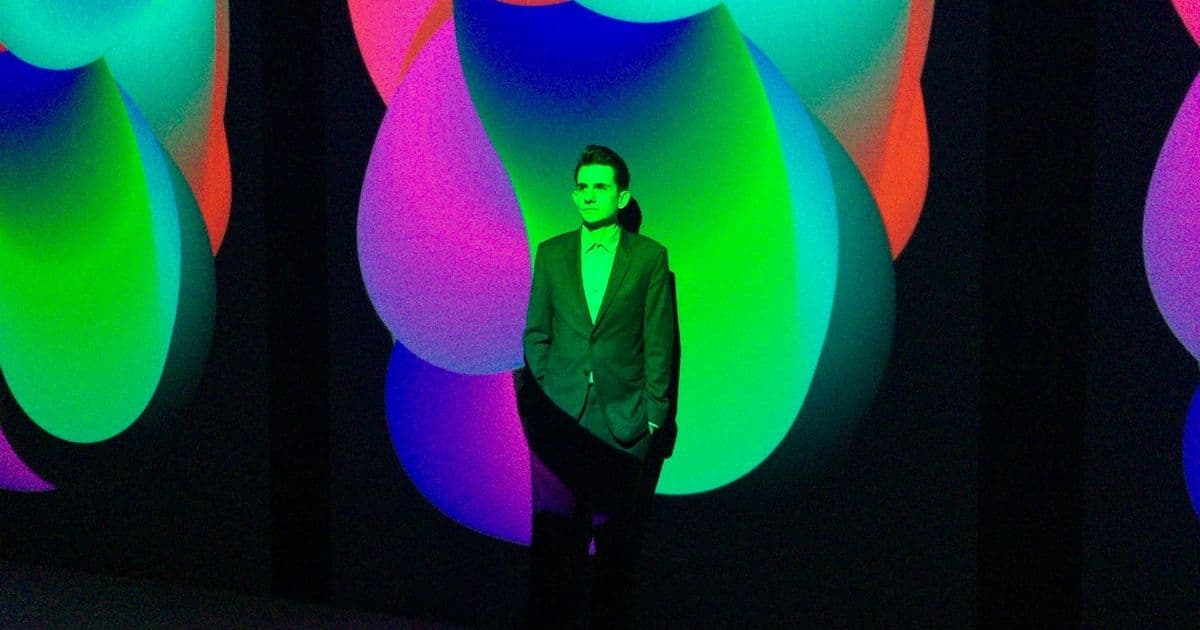
Net artist Rafael Rozendaal transforms the internet into a gallery, exploring how digital spaces shape human interaction and challenging traditional notions of ownership in the age of cloud computing.
In an era where digital infrastructure often operates invisibly beneath our fingertips, artist Rafael Rozendaal's work forces us to confront the internet not as a utility, but as a living, breathing canvas. His piece 'internet'—featured prominently on his personal site—serves as both artwork and philosophical statement, inviting viewers to reconsider their relationship with the digital spaces they inhabit daily.
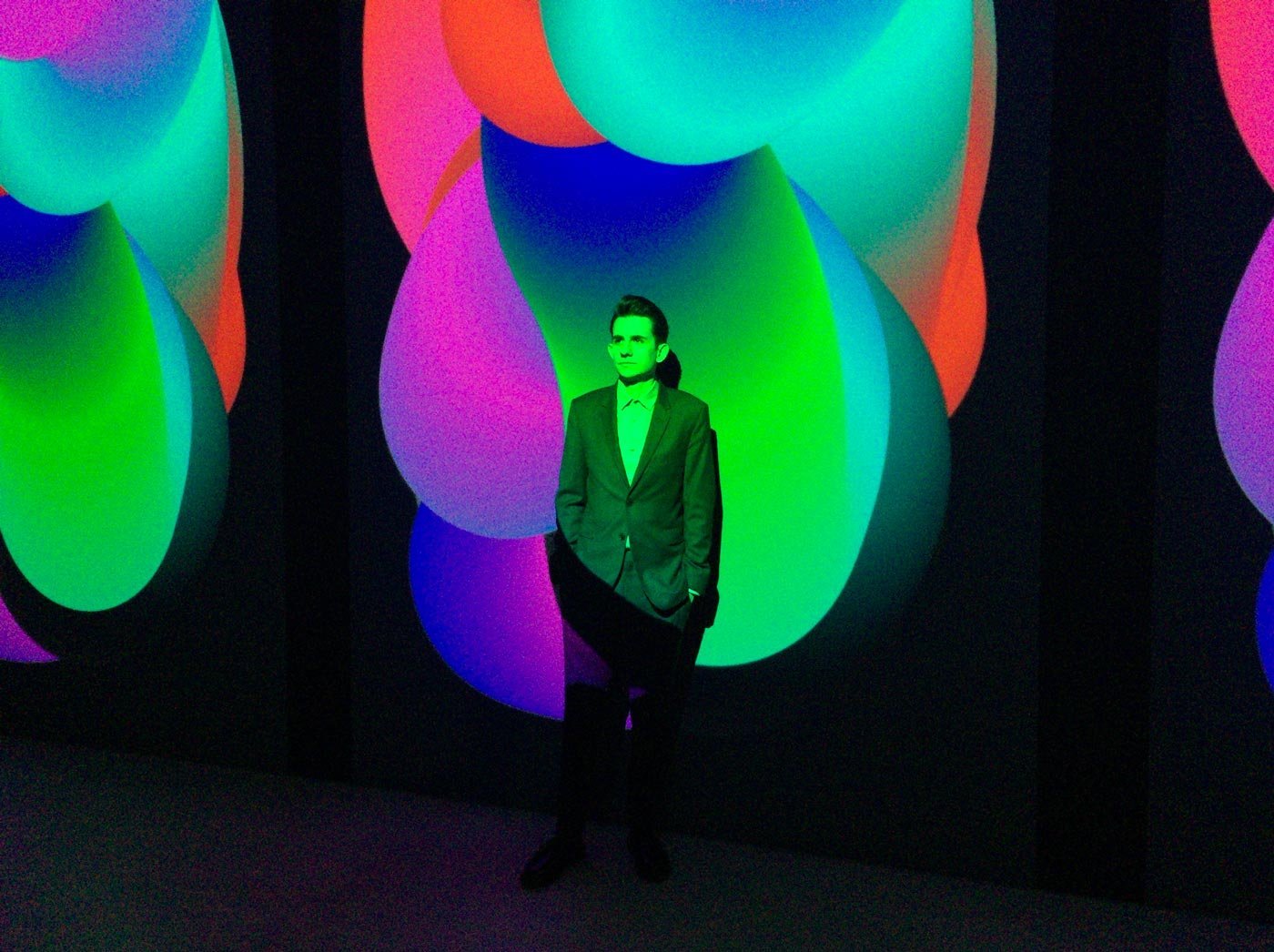
Rozendaal's approach represents a fascinating intersection of art and technology. By creating minimalist, interactive digital installations that respond to user input, he transforms the very fabric of the web into a medium. These works exist entirely within browser environments, leveraging standard web technologies (HTML, CSS, JavaScript) to create experiences that are ephemeral yet persistent, accessible yet exclusionary.
What makes Rozendaal's practice particularly compelling for technologists is his subversion of digital ownership. In a world where cloud platforms increasingly dictate what we can create and share, his art exists outside traditional commercial ecosystems. This resistance mirrors growing concerns among developers about vendor lock-in and the monopolistic control exerted by major cloud providers. His work becomes a protest against the enclosure of digital commons.
For engineers and infrastructure architects, Rozendaal's pieces serve as a powerful reminder that the systems we build shape human behavior. The constraints of browser rendering, network latency, and device capabilities aren't just technical limitations—they become artistic elements that influence how users engage with digital spaces. This mirrors the real-world impact of API design choices, content delivery networks, and user authentication flows on digital experiences.
The artist's focus on impermanence also resonates with contemporary debates about digital preservation. As web technologies evolve at breakneck speed, what happens to art created for specific browsers or now-obsolete plugins? This question parallels challenges faced by organizations maintaining legacy systems and highlights the tension between innovation and stability in cloud environments.
Rozendaal's work ultimately challenges technologists to consider the human implications of their creations. When we optimize for performance, security, or scalability, what artistic or experiential value might we inadvertently sacrifice? His minimalist aesthetic—often featuring bold colors and simple interactions—proves that profound experiences can emerge from elegant simplicity, a principle that should resonate with those striving to create intuitive, human-centered technology.
As we continue to build increasingly complex digital infrastructures, artists like Rozendaal provide crucial perspective. They remind us that behind every API call, every database transaction, and every rendered pixel are human experiences waiting to be shaped—or constrained—by the systems we design.
Comments
Please log in or register to join the discussion