
Apple's 2026 roadmap includes significant hardware updates across Mac, iPad, and iPhone lines, each with implications for app developers. This article examines the upcoming product releases and their potential impact on development workflows, SDK requirements, and cross-platform considerations.
Apple's 2026 product pipeline reveals substantial hardware updates that will directly impact iOS and macOS developers. With over a dozen products expected throughout the year, developers should prepare for new capabilities, increased performance expectations, and expanded SDK features.
Mac Lineup Evolution
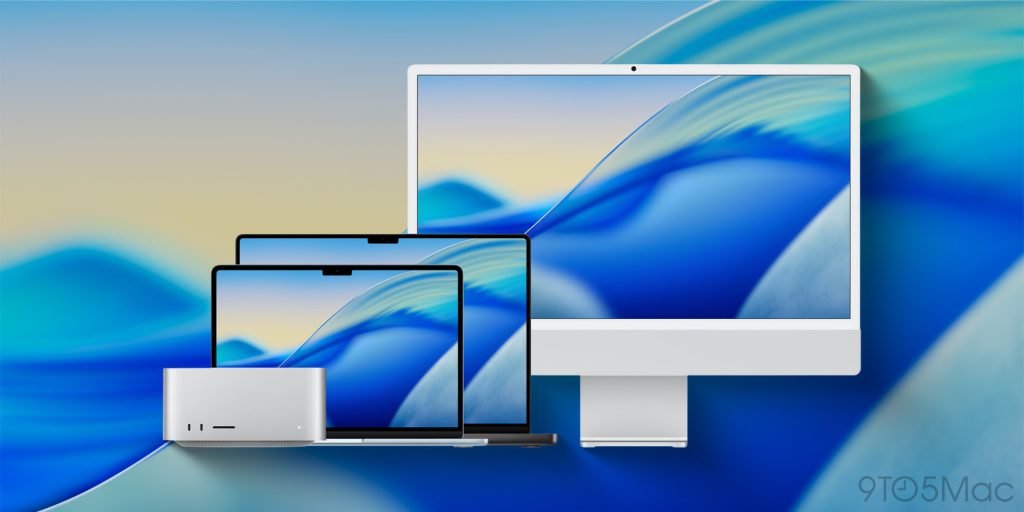
The Mac updates in 2026 will present both opportunities and challenges for developers. The upcoming M5 Max and M5 Ultra Mac Studio will deliver significant performance improvements, particularly for professional applications and intensive development tasks. For developers working with Xcode, these machines will accelerate compilation times and enable more complex testing environments.
The refreshed Mac mini and iMac with potential M6 chips will further expand the ecosystem of devices developers must consider when optimizing applications. These machines will likely support the latest macOS features, requiring developers to update their minimum system requirements and potentially refactor code for optimal performance.
The redesigned MacBook Pro with M6 Pro and M6 Max chips, expected around October, will set new standards for mobile development. These machines will be particularly valuable for developers needing to test applications on high-end hardware while maintaining portability.
iPad Developments and Opportunities
The iPad continues to blur the lines between mobile and desktop computing, presenting unique development opportunities. While the iPad Pro refresh isn't anticipated for 2026, the new revamped iPad mini with OLED display and A19 Pro chip will offer developers a new form factor to consider.
The budget iPad update, likely coming in the first half of 2026 with an A18 chip, expands the addressable market for iPad applications. Developers should evaluate whether their apps can perform well on this entry-level hardware and adjust feature sets accordingly.
For cross-platform developers using frameworks like React Native or Flutter, the iPad's continued evolution requires attention to platform-specific optimizations and leveraging the latest iPadOS features to enhance user experiences.
Home Platform Expansion
Apple's expansion into home products creates new integration points for developers. The updated Apple TV 4K with A17 Pro chip and Apple Intelligence support will enable more sophisticated smart home applications. Developers working with HomeKit should prepare for enhanced capabilities and potentially new API endpoints.
The HomePod mini refresh with a newer chipset and expanded color options (including red) will provide additional hardware for testing audio-focused applications and Siri integrations. This represents an opportunity for developers to create audio-specific experiences optimized for the updated hardware.
The new smart home display (or "HomePad") with A18 chip and 7-inch display will become a central hub for HomeKit and Siri interactions. Developers should consider how their applications might integrate with this device, particularly for home automation and ambient computing scenarios.
iPhone 18 Series Considerations
The iPhone 18 Pro and Pro Max models will introduce new color options, improved cameras, and slightly bigger batteries. These hardware changes will impact application performance, particularly for camera-intensive applications and games that leverage the improved processing capabilities.
The first foldable iPhone represents a significant paradigm shift in mobile development. Developers will need to adapt their UI/UX designs to accommodate flexible displays, potentially creating new interaction patterns and layout strategies. Apple's human interface guidelines will likely evolve to provide specific guidance for foldable devices.
The potential staggered release cycle for the iPhone lineup, with the base iPhone 18 and iPhone Air 2 potentially delayed until spring 2027, creates a complex development landscape. Developers will need to manage multiple device support cycles and potentially develop different feature sets for various iPhone releases throughout the year.

Apple Watch and AirPods Advancements
The Apple Watch Series 12 and Ultra 4 will introduce new health sensors, potential Touch ID support, and better battery life. For developers creating health and fitness applications, these new sensors present opportunities to develop more sophisticated health monitoring features and data analysis capabilities.
The AirPods Pro 3 with cameras and visual intelligence technology will open new possibilities for context-aware applications. Developers should consider how to leverage these devices to create immersive experiences that blend audio, visual, and environmental data.
Cross-Platform Development Strategies
As Apple's hardware ecosystem expands, cross-platform developers face both challenges and opportunities. The performance improvements across Apple's chipsets will enable more sophisticated applications, but developers must ensure their code is optimized for the specific capabilities of each device.
Developers should consider:
- Leveraging platform-specific APIs when they provide significant advantages
- Implementing adaptive UI patterns that work across different form factors
- Preparing for new SDK requirements and deprecation timelines
- Testing applications on the full range of Apple hardware
- Planning for extended support cycles for older devices
The continued evolution of Apple's hardware underscores the importance of staying current with the latest developer tools and documentation. Apple's developer portal will likely provide updated resources to help developers optimize for these new devices.
For developers maintaining both iOS and Android applications, the Apple ecosystem updates highlight the importance of platform-specific optimization while maintaining core functionality across platforms. The hardware advancements in Apple's devices may set new industry standards that influence Android development as well.
As we move through 2026, developers should monitor Apple's developer announcements and prepare to adapt their development strategies to leverage the new hardware capabilities while ensuring compatibility with the broader Apple ecosystem.
Comments
Please log in or register to join the discussion