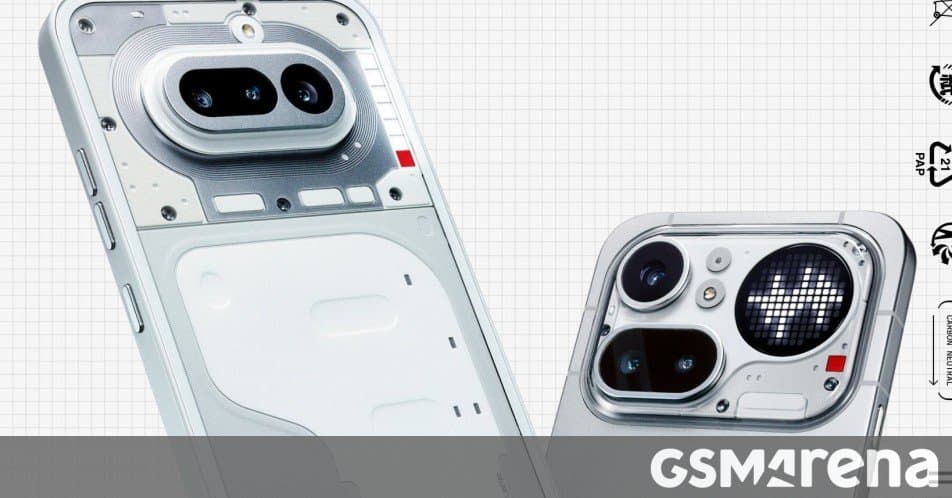
Nothing's fourth-generation phones arrive with a twist - the Pro model gets metal build and faster performance while the vanilla version shares cameras with its pricier sibling.
Nothing's fourth-generation smartphones have arrived, and the company is taking an interesting approach to its product lineup. The Nothing Phone (4a) and Nothing Phone (4a) Pro represent a strategic shift that blurs the lines between mid-range and premium segments, raising questions about whether the Pro premium is justified this year.
Camera Parity Changes the Equation
Traditionally, Nothing has used camera hardware as a key differentiator between its standard and Pro models. However, the Phone (4a) breaks this pattern by featuring a 50MP 3.5x/80mm telephoto module that brings it nearly on par with the Pro version. This camera parity is significant because last year, superior camera hardware was a major reason to pay the Pro premium.
The Phone (4a) is available in Black, White, Blue, and Pink color options, offering the same photographic capabilities as its more expensive sibling. This means that for photography enthusiasts, the decision between models won't hinge on camera quality as it has in previous generations.
Build Quality and Performance Diverge
Where the two models differ significantly is in their construction and performance capabilities. The Nothing Phone (4a) Pro features an aluminum frame - a first for the a-series - along with the signature Glyph Matrix display on the back. This design language makes it resemble more of a flagship device than a mid-range offering, similar to last year's Phone (3).
In contrast, the regular Phone (4a) uses a plastic build but maintains a solid feel in hand. The design includes a Glyph Bar rather than the more sophisticated Matrix display, which may only appeal to hardcore Nothing fans who appreciate the brand's unique aesthetic.
Performance Gap Widens
The performance differential between the two models is more pronounced than in previous generations. The Phone (4a) uses a Snapdragon 7s Gen 4 processor, which offers only marginal improvements over the 7s Gen 3 found in last year's model. Additionally, it uses older LPDDR4X RAM and UFS 3.1 storage, which, while faster than previous generations, isn't the fastest available.
The Phone (4a) Pro, however, features a Snapdragon 7 Gen 4 chipset that delivers more tangible performance upgrades, particularly in graphics processing. This is complemented by faster LPDDR5X RAM and a vapor chamber cooling system, making it a more capable device for demanding applications and extended gaming sessions.
Pricing Strategy and Market Positioning
Nothing's pricing strategy for the new models reflects their different positioning. The Phone (4a) starts at €350/£350/₹32,000 for the 8GB/128GB variant, while the Pro begins at €480/£500/₹40,000 for the same configuration. In the US market, the Pro is priced at $500 for the 8GB/128GB model, making it one of the few premium-feeling devices available at this price point.
This pricing structure suggests that Nothing is targeting different market segments with each model. The vanilla Phone (4a) competes directly with other mid-range offerings, while the Pro aims to capture users who want a more premium experience without stepping into flagship territory.
The Glyph Debate
The Glyph interface remains a point of differentiation between the models. The Phone (4a) features a simple bar design, while the Pro boasts a dot-matrix display that offers more functionality and visual appeal. However, feedback from the community suggests that only dedicated Nothing enthusiasts truly value these design elements.
As one commenter noted, "If we imagine the design is less ugly...sorry, more typical, there'd be nothing about the phones that stands out, apart from the excessive price." This sentiment reflects a broader debate about whether Nothing's design philosophy adds genuine value or merely serves as a distinctive but ultimately superficial feature.
Market Context and Competition
Nothing's approach comes at a time when the mid-range smartphone market is more competitive than ever. The company faces pressure from established players like Google's Pixel A series, which many users believe would produce better photos and offer longer software support.
One particularly astute observation from the community highlights that "Apple and nothing the only phone companies selling phones above 500$ with 128gb of storage." This points to a broader industry trend where storage configurations are becoming a key differentiator in the mid-range segment.
The Value Proposition
The central question for potential buyers is whether the Phone (4a) Pro's premium features justify its higher price tag. For users who prioritize build quality, performance, and the Glyph Matrix display, the Pro model offers a compelling package. However, those who value camera quality above all else might find the vanilla Phone (4a) to be the better value proposition.
Nothing's strategy of offering two distinct experiences within the same product family reflects a maturing brand that's learning to cater to different user preferences. Whether this approach will resonate with consumers remains to be seen, but it certainly makes the decision between models more nuanced than in previous years.
The success of this strategy will likely depend on how well Nothing can communicate the value of its design philosophy and whether the performance benefits of the Pro model are noticeable enough to sway undecided buyers. As the smartphone market continues to evolve, Nothing's willingness to experiment with its product lineup could either set it apart or leave it struggling to find its niche.
Comments
Please log in or register to join the discussion