
Nvidia’s record earnings have propelled its market value to $5 trillion, while Taiwan’s TSMC, Samsung and SK Hynix have seen operating margins soar above 70 %. The surge underscores the “picks‑and‑shovels” role of high‑performance semiconductors in AI, yet labor disputes and the cyclical nature of the industry warn that gains may not be evenly shared.
Nvidia’s earnings spark a $5 trillion market cap
Nvidia reported a quarterly net profit of $9.5 billion, roughly three times its figure a year earlier, and revenue that jumped 85 % year‑on‑year. The company now commands a market capitalization of $5 trillion, roughly 18 times the value of Toyota, the world’s largest automaker.
The surge is tied to Nvidia’s dominance in AI accelerators – its A100 and the newer H100 GPUs power the majority of large‑language‑model training runs.
“The AI boom is the modern equivalent of the 19th‑century gold rush; the real profit goes to the producers of picks and shovels,” analysts note, pointing to the outsized returns for chip makers that supply the underlying hardware.
Asian chip makers cash in
| Company | FY2025 Revenue | YoY Growth | Operating Margin |
|---|---|---|---|
| TSMC | $84 billion | +23 % | 38 % |
| Samsung Electronics (Semiconductor division) | $78 billion | +19 % | 31 % |
| SK Hynix | $31 billion | +48 % | 71 % |
SK Hynix’s margin stands out because its high‑bandwidth memory (HBM) is a critical component in Nvidia’s H100 GPUs. The company’s profit rose five‑fold in the latest quarter, driven by demand from AI data centers and the rollout of next‑generation graphics cards.
Valuations have followed earnings:
- TSMC: $1.8 trillion market cap
- Samsung Electronics: $1.1 trillion
- SK Hynix: approaching the $1 trillion threshold
Market context: why the boom matters
- Supply‑chain tightening – Global AI demand has outstripped supply of advanced wafers, prompting a 30 % increase in fab capacity bookings for 2026‑2027.
- Capital inflows – Index providers have upgraded several Asian markets, channeling billions of dollars into equities tied to semiconductor exposure.
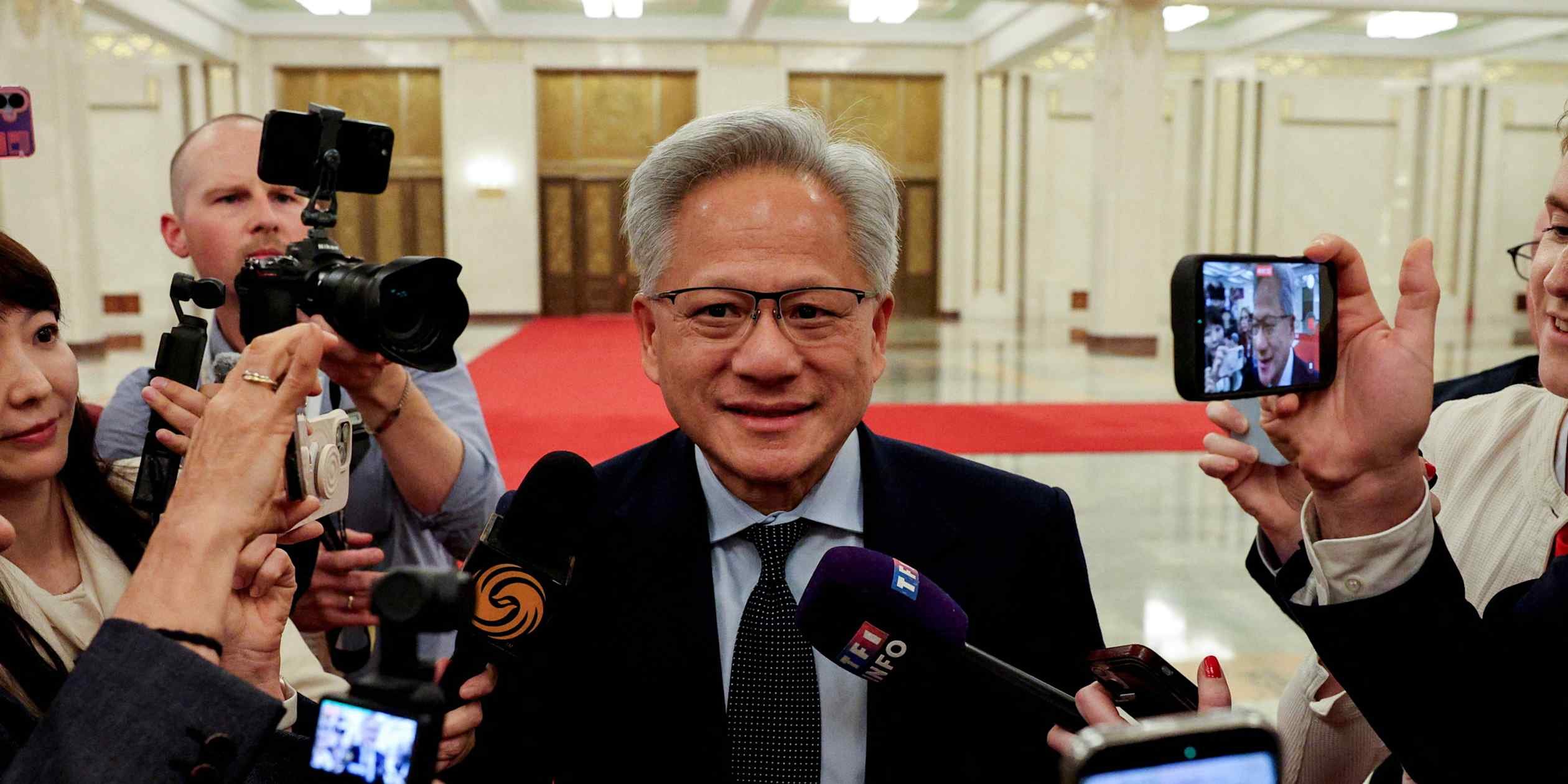
- Geopolitical risk – Nvidia’s CEO Jensen Huang accompanied a U.S. delegation to a summit with Chinese President Xi, highlighting the strategic importance of chip ties amid U.S.–China tensions.
What it means for investors and policymakers
- Profit concentration: While shareholders of Nvidia and the three Asian giants have seen multi‑digit returns, the broader workforce faces mixed outcomes. Samsung’s labor unions are negotiating under the threat of strikes, and wage growth has lagged behind profit spikes.
- Cyclical caution: History shows that semiconductor booms are followed by periods of over‑investment and price corrections. Analysts warn that a 2027‑2028 slowdown could pressure margins, especially for memory producers that are more vulnerable to inventory swings.
- Policy implications: Governments in Taiwan, South Korea and Japan are expanding subsidies for legacy chip production to diversify supply chains, but the focus on AI‑grade silicon may crowd out funding for other critical nodes.
- Strategic diversification: Companies outside the AI hardware space – such as automakers and cloud providers – are increasingly looking to secure long‑term supply agreements, mirroring the “picks‑and‑shovels” model to hedge against future shortages.
Bottom line
The AI surge has turned Nvidia into a $5 trillion behemoth and lifted TSMC, Samsung and SK Hynix into near‑trillion‑dollar valuations, confirming that high‑performance semiconductors are the essential infrastructure of the new digital economy. Yet the concentration of wealth, rising labor tensions and the inherent volatility of the semiconductor cycle suggest that stakeholders should watch for a potential correction and consider how gains can be more broadly shared.
Further reading:
- Nvidia’s Q1 earnings release (PDF)
- TSMC’s 2025 annual report
- SK Hynix investor presentation on HBM
- Analysis of AI‑driven fab capacity expansion by Gartner
Comments
Please log in or register to join the discussion