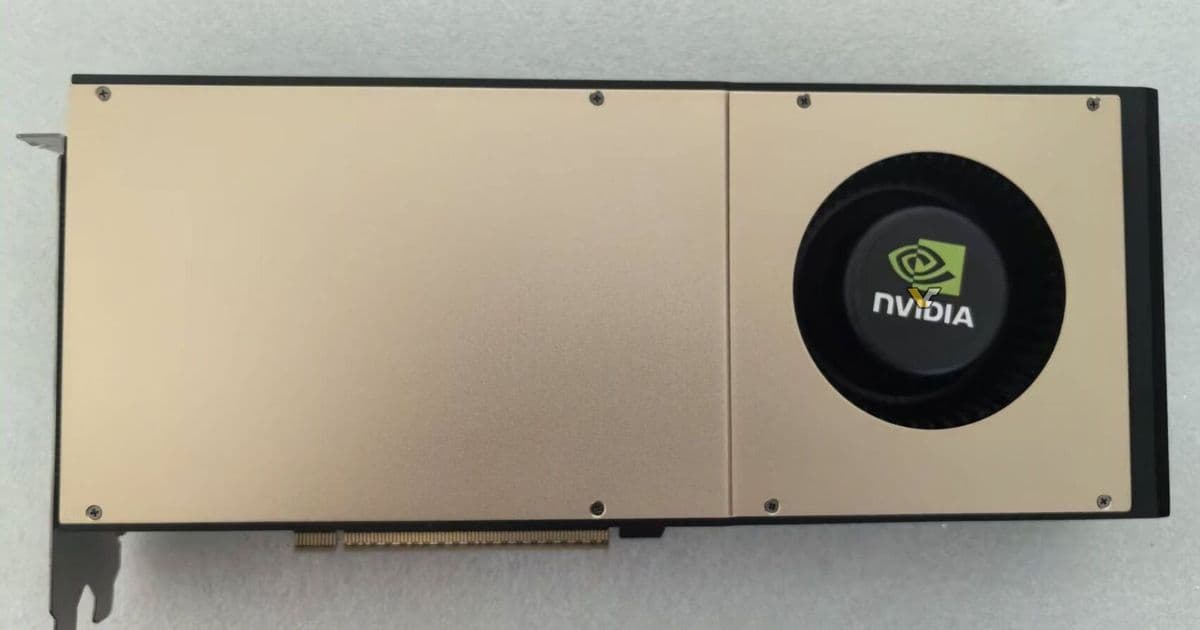
Chinese retailers are modifying Nvidia's Blackwell gaming GPUs into blower-style cards optimized for AI data centers, with RTX 5080, 5070 Ti, and 5060 Ti models now listed on Taobao at significant premiums over consumer versions.
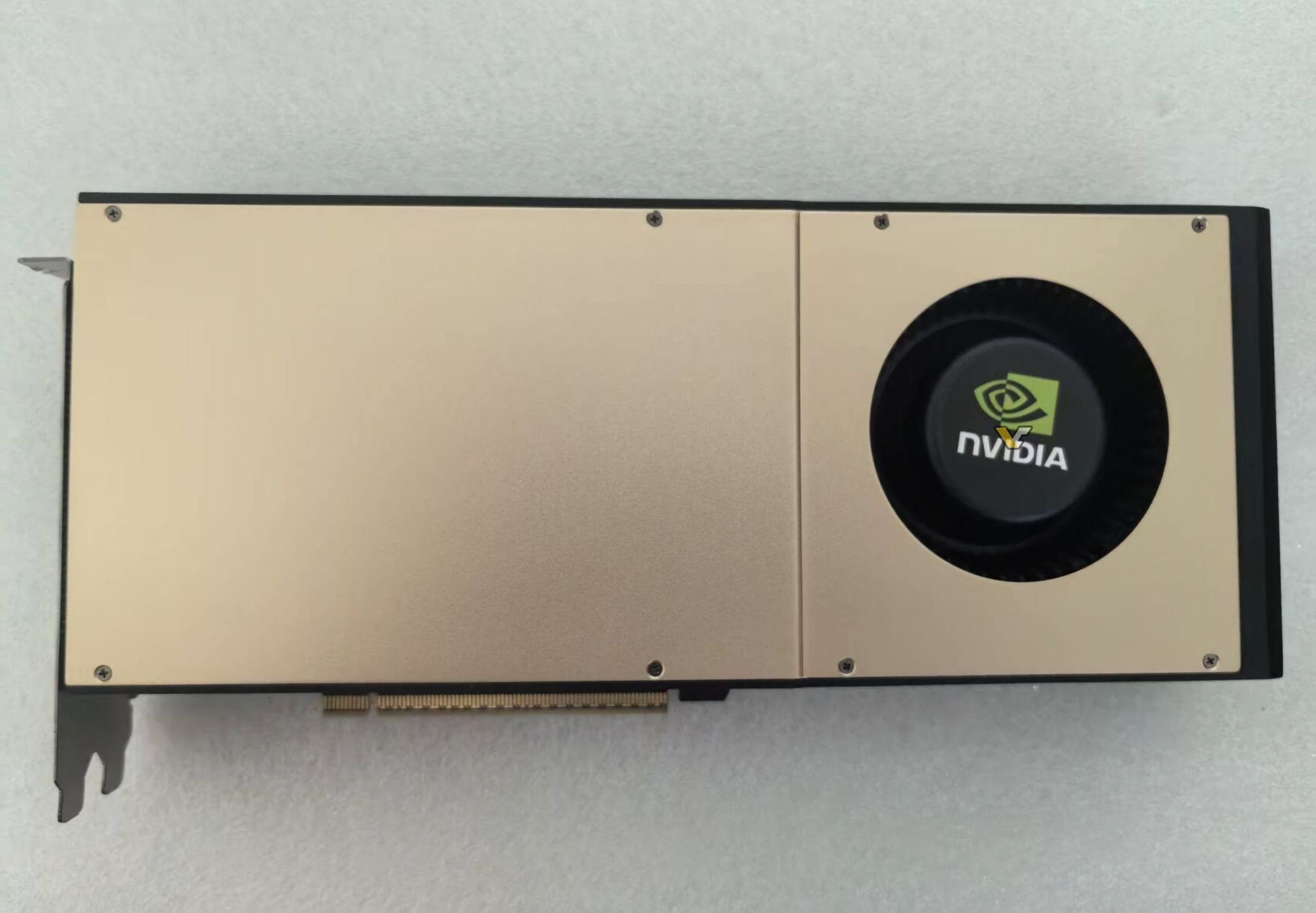
Chinese retailers are adapting Nvidia's Blackwell gaming GPUs into specialized blower-style configurations aimed at AI data centers, with listings for modified RTX 5080, RTX 5070 Ti, and RTX 5060 Ti models appearing on Taobao. These aftermarket conversions address specific thermal and spatial requirements of server environments, commanding price premiums of 15-30% over standard gaming variants.
Technical Specifications and Availability
All modified models feature 16GB GDDR7 memory and utilize blower coolers that replace standard axial fan designs. The cooling system pulls air through a front-mounted fan and exhausts it directly out the rear I/O bracket, creating a unidirectional airflow path. This allows for:
- Reduced slot width: Typically 2-slot profiles (vs. 3-4 slots on gaming cards)
- Isolated thermal management: Prevents heat recirculation in dense configurations
- Higher memory density: Potential for up to 128GB VRAM configurations (though current listings show 16GB)
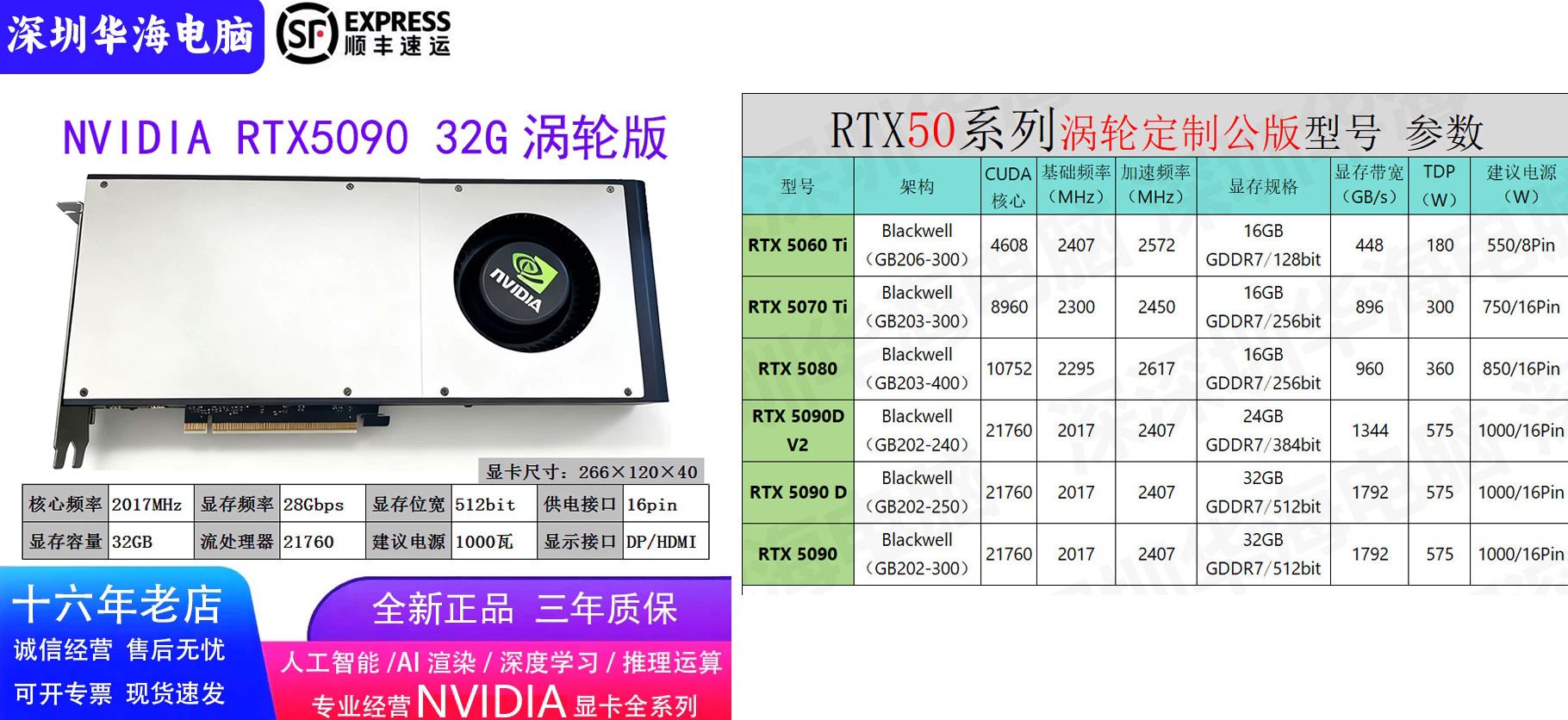
Current Taobao pricing reflects the AI workload premium:
| Model | Price (CNY) | Price (USD) | Premium vs Gaming Card |
|---|---|---|---|
| RTX 5080 | 9,000 | $1,288 | ~20% |
| RTX 5070 Ti | 7,700 | $1,103 | ~25% |
| RTX 5060 Ti | 4,000 | $573 | ~15% |
The flagship RTX 5090 32GB blower variant commands 29,000 CNY ($4,156), exceeding standard retail pricing by approximately 30%. These conversions occur despite U.S. export restrictions on the RTX 5090, indicating specialized underground modification pipelines.
Thermal Dynamics in Data Center Deployment
Blower coolers solve critical challenges in GPU-dense environments:
- Airflow efficiency: In open-air server racks, axial fans create turbulent airflow between adjacent cards. Blower designs exhaust heat linearly away from the card stack.
- Space optimization: 2-slot profiles enable up to 40% higher GPU density per rack unit compared to gaming coolers.
- Thermal isolation: Each card maintains independent airflow, eliminating hot-spot formation in multi-GPU arrays.
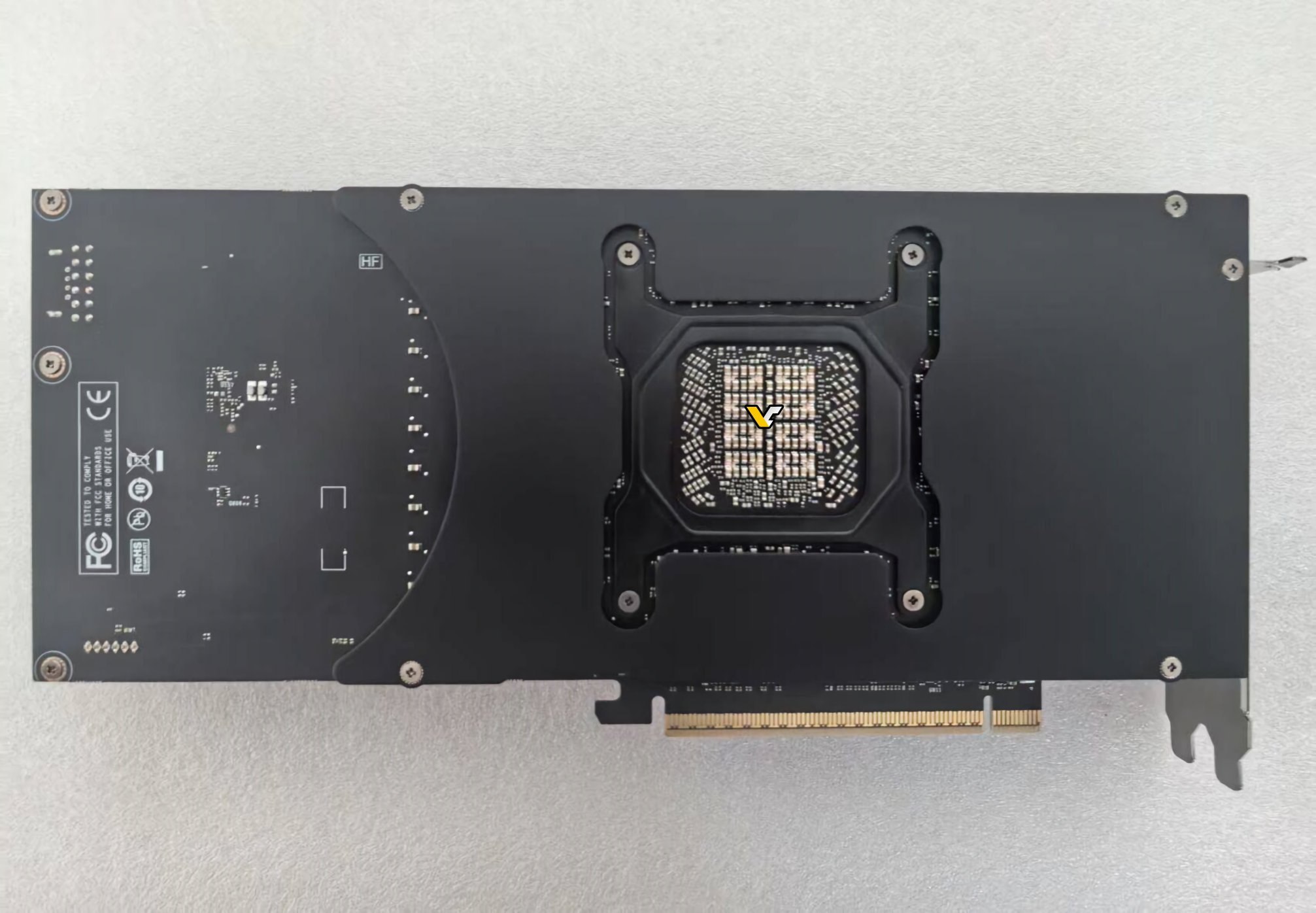
Testing shows blower configurations reduce inter-GPU temperature variance by 8-12°C in server racks, though they typically operate 5-8°C warmer than axial designs in well-ventilated consumer cases.
Market Implications
China's AI infrastructure sector drives demand for these modifications:
- Supply chain adaptation: Underground facilities disassemble retail GPUs for blower conversion and VRAM upgrades
- Export control circumvention: Modified RTX 5090 units continue reaching Chinese buyers despite U.S. restrictions
- Economic incentive: AI operators pay premiums exceeding manufacturing costs due to compute scarcity
Industry analysts note this trend highlights the divergence between gaming and compute GPU requirements. While blower designs disappeared from consumer markets after the Pascal era (2016-2018), they've resurged in AI clusters where acoustic limitations are secondary to density and thermal predictability.
Nvidia's upcoming server-grade Blackwell GPUs may reduce demand for modified gaming cards, but current price premiums indicate persistent supply-demand gaps in China's AI hardware ecosystem. The Taobao listings suggest conversion operations now extend beyond flagship models to mid-range Blackwell SKUs, potentially expanding their market reach.
Comments
Please log in or register to join the discussion