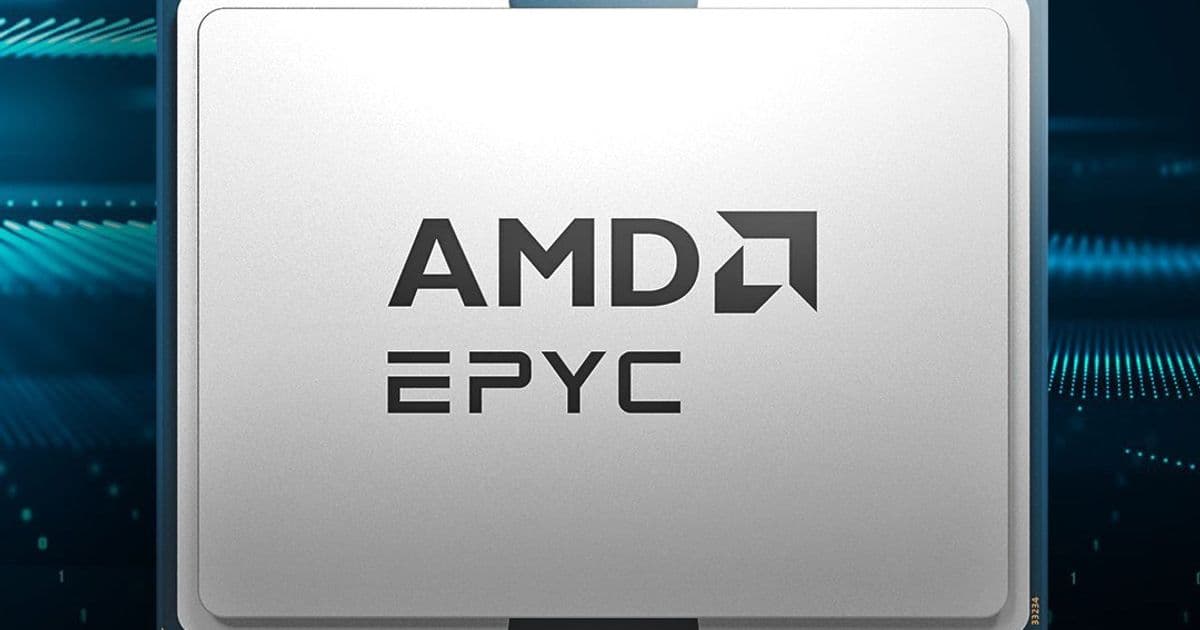
AMD unveils its EPYC 8005 'Sorano' series processors, bringing Zen 5 architecture to single-socket servers for telecommunications and edge computing markets with up to 84 cores and LDPC decoding optimizations.
Ahead of next week's Mobile World Congress 2026, AMD has unveiled its next-generation server processors aimed at telecommunications and edge markets: the EPYC 8005 series, codenamed "Sorano." These upcoming chips represent AMD's first Zen 5-based processors for the single-socket server segment, bringing significant performance and feature improvements to the lower-cost server market.
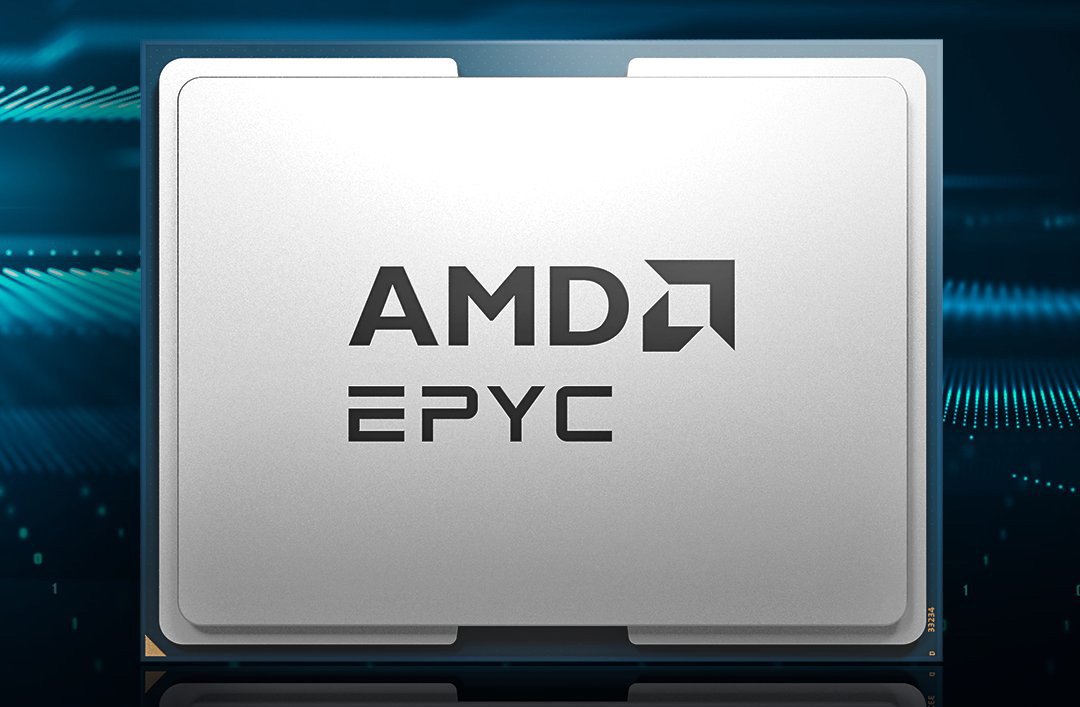
At a high level, the EPYC 8005 series will offer up to 84 Zen 5 CPU cores with a maximum TDP of 225 Watts. This represents a substantial leap from the current EPYC 8004 series, which tops out at 64 cores. The new lineup will span from the low end to the high end, though AMD has not yet published the full specification and chip SKU lists.
Architecture and Core Configuration
The EPYC 8005 series will exclusively use Zen 5c cores, continuing AMD's strategy of using dense core configurations for its single-socket processors. This approach mirrors the EPYC 8004 series, which utilized Zen 4c cores. The Zen 5c cores are designed for high density and efficiency, making them ideal for the power and space constraints typical in telco and edge deployments.
LDPC Decoding Optimizations
One of the most interesting technical additions to the EPYC 8005 series is AMD's introduction of "decoding optimizations" for Low Density Parity Check (LDPC) calculations. LDPC is a form of forward error correction used extensively in layer 1 networking, particularly in 5G and other wireless communication standards.
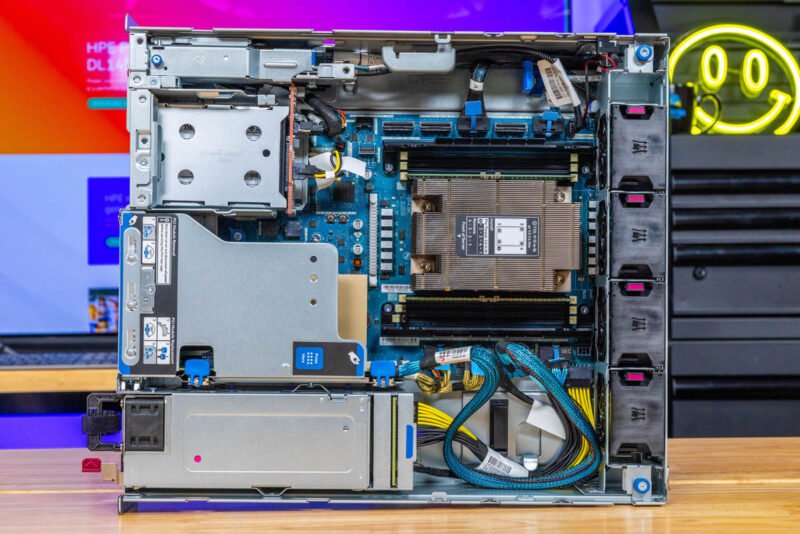
This is notably the first time AMD has promoted LDPC acceleration as a feature in EPYC processors. While the blog post is light on technical details, it appears AMD is leveraging its standard vector units for these optimizations. The inclusion of LDPC acceleration directly addresses a key workload in telecommunications infrastructure, potentially offering significant performance improvements for 5G base stations and other network equipment.
Power and Thermal Considerations
Power consumption on the EPYC 8005 series is increasing slightly compared to its predecessor. While the EPYC 8004 series topped out at a stock TDP of 200 Watts, the EPYC 8005 series will reach 225 Watts at the high end. However, AMD continues to position this as its energy-efficient option, especially when compared to the monstrous EPYC 9005 series chips, which can consume up to 500 Watts.
Market Positioning and Competition
When the EPYC 8005 series launches later this year, it will compete directly with Intel's Xeon 6 SoCs, also known as Granite Rapids-D. AMD will have a slight edge in core count, offering up to 84 cores compared to Intel's maximum of 80 cores in the Granite Rapids-D lineup. However, AMD may trail in memory bandwidth, an important consideration for many server workloads.
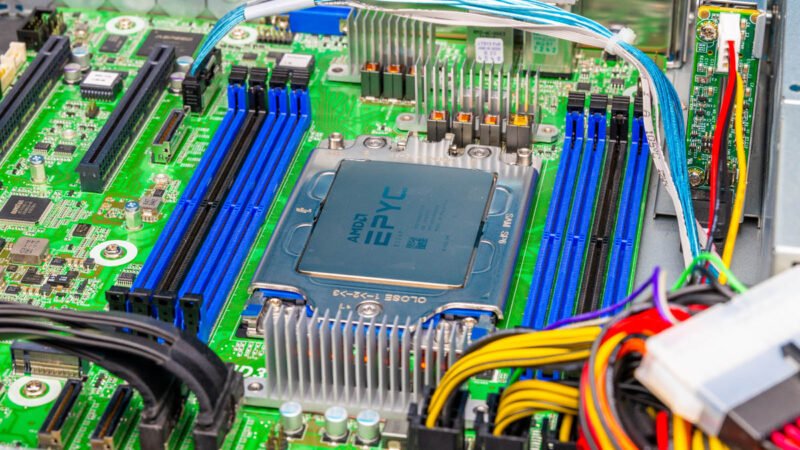
The EPYC 8005 series is specifically designed for single-socket servers, making it ideal for edge computing deployments where space and power efficiency are paramount. These processors will likely find homes in 5G infrastructure, content delivery networks, and other edge applications where the combination of high core count, LDPC acceleration, and power efficiency provides a compelling value proposition.
Timeline and Availability
AMD has not provided a specific launch date for the EPYC 8005 series, only indicating that the processors will arrive later this year. The announcement timing, just ahead of Mobile World Congress 2026, suggests AMD is targeting the telecommunications industry with this launch and expects to see significant adoption in 5G and future 6G infrastructure.
As the final segment of the EPYC lineup to transition to Zen 5 architecture, the EPYC 8005 series completes AMD's server processor portfolio refresh. Combined with the existing EPYC 9005 series for dual-socket servers and the EPYC 7005 series for embedded applications, AMD now offers Zen 5 across its entire server processor lineup, providing customers with consistent architecture and features regardless of their specific deployment needs.
Comments
Please log in or register to join the discussion