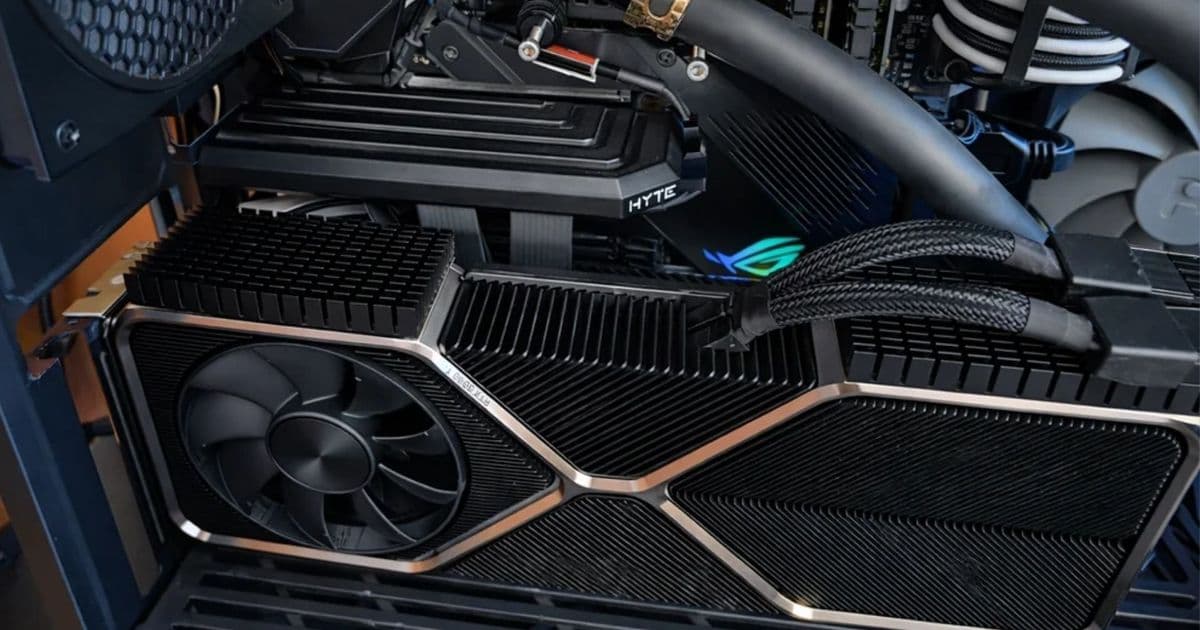
A Reddit user has modded an unreleased 20GB RTX 3080 Ti engineering sample, pushing it beyond 550W power draw with shunt modifications and liquid metal cooling to unlock its full performance potential.
A rare engineering sample of an unreleased 20GB Nvidia GeForce RTX 3080 Ti has been pushed to extreme limits by a Reddit user who documented their risky modification project in detail. The modder, known as ChintzyPC, acquired the GPU from a friend who had purchased two identical engineering samples for $200 each, though ChintzyPC paid $700 for their unit.
The Rare GPU Sample
The engineering sample features the same Founders Edition shell as the released 12GB RTX 3080 Ti but includes a significant upgrade to 20GB of VRAM. However, this comes with a trade-off: the memory bus is narrower at 320-bit compared to the original model's wider configuration. This creates what ChintzyPC describes as "a weird hybrid of a 3090 PCB, 320-bit bus, and 20GB config."
Power Modifications
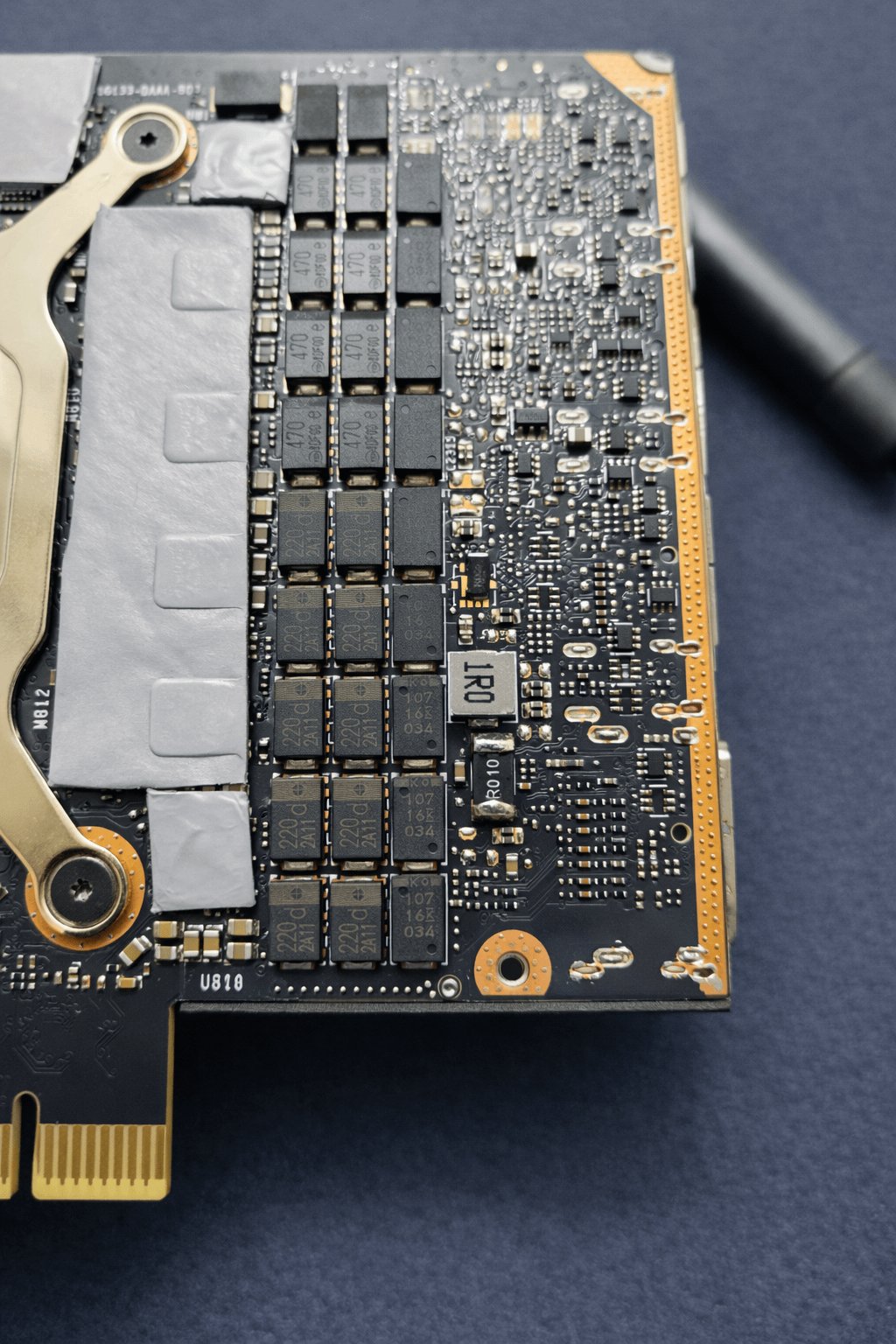
The modder's first major modification involved installing 10 mOhm shunts to increase the power draw limits. This modification raised the power ceiling from the stock limit of approximately 390W to around 480W for stock operation, with peaks reaching approximately 555W when stable overclocking was applied. ChintzyPC notes that "some load is distributed through the PCIe slot," indicating the extreme power demands being placed on the system.
Cooling Challenges and Solutions
With the power modifications in place, the GPU die began experiencing heat soaking - a condition where more heat is absorbed than can be dissipated, leading to inevitable performance throttling. To address this, ChintzyPC implemented liquid metal cooling, using clamp washers to increase mounting pressure after initial cooling attempts failed.
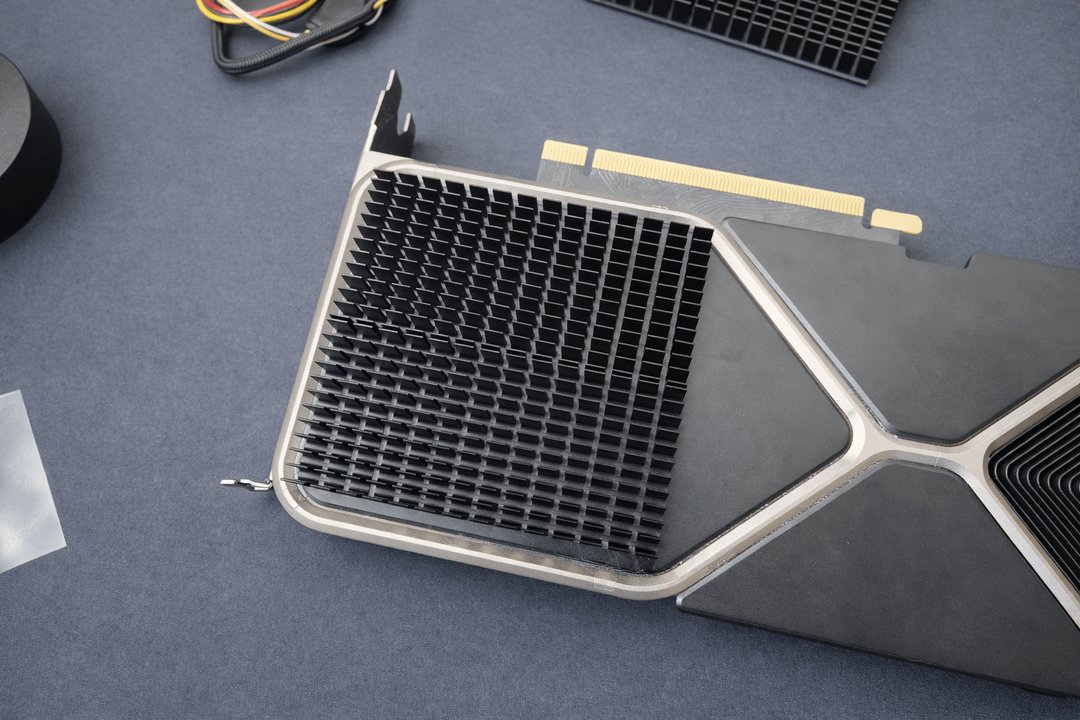
This cooling solution successfully reduced idle temperatures to "around 31C" with no further throttling. However, the PCB's unusual design presented additional challenges. The engineering sample used the standard 3080 Ti cooler and shroud but included additional memory on the back in a configuration the cooler wasn't designed to handle.
During heavy testing, this memory temperature rose to around 100°C, causing screen artifacts due to instability. After several failed attempts with improved thermal pads and an additional fan, the modder applied external heatsinks to the shell along with an extra fan to blow cool air across the components, bringing memory junction temperatures down to around 94°C under heavy loads.
Performance Results
The extensive modifications have transformed this engineering sample from a "heavily power and thermally constrained" GPU into what ChintzyPC describes as "much more like the 3080 Ti class GPU it should have been." Working with a patched driver, the Frankenstein card now operates at its full potential.
Risk vs. Reward
ChintzyPC admits the project was "mostly for the sake of experimental exploration" rather than practical value. Given the rarity of these engineering samples and the technical expertise required, such modifications aren't practical for most users. The modder acknowledges the risk, noting they were "sweating" before proceeding with modifications that involved soldering.
With GPU prices remaining high and so few of these samples likely still intact, ChintzyPC's willingness to risk $700 to answer "how far can a GPU like this be pushed?" represents a bold experiment in hardware modification. The project demonstrates both the potential performance hidden in engineering samples and the extreme measures required to unlock it.
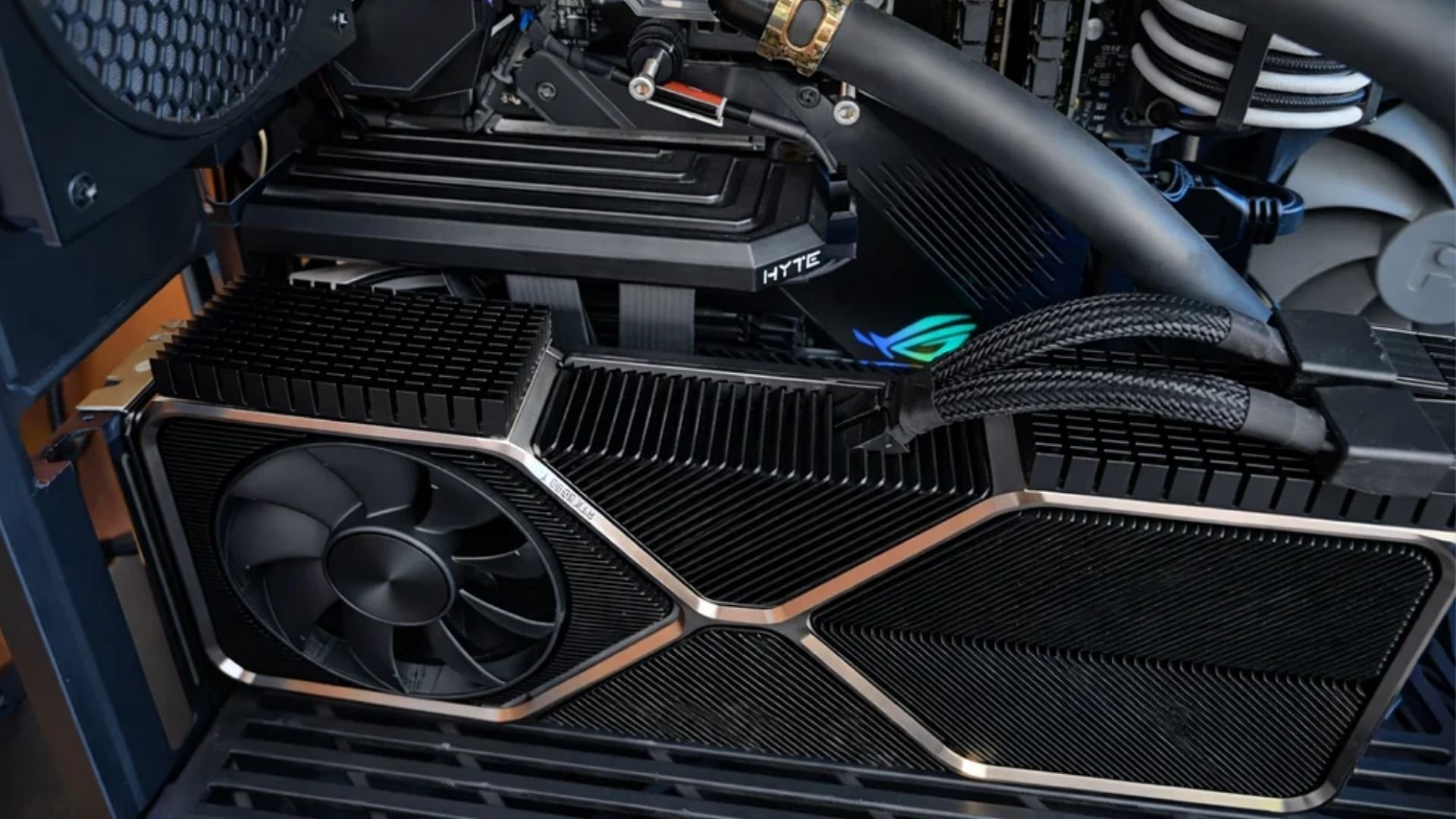
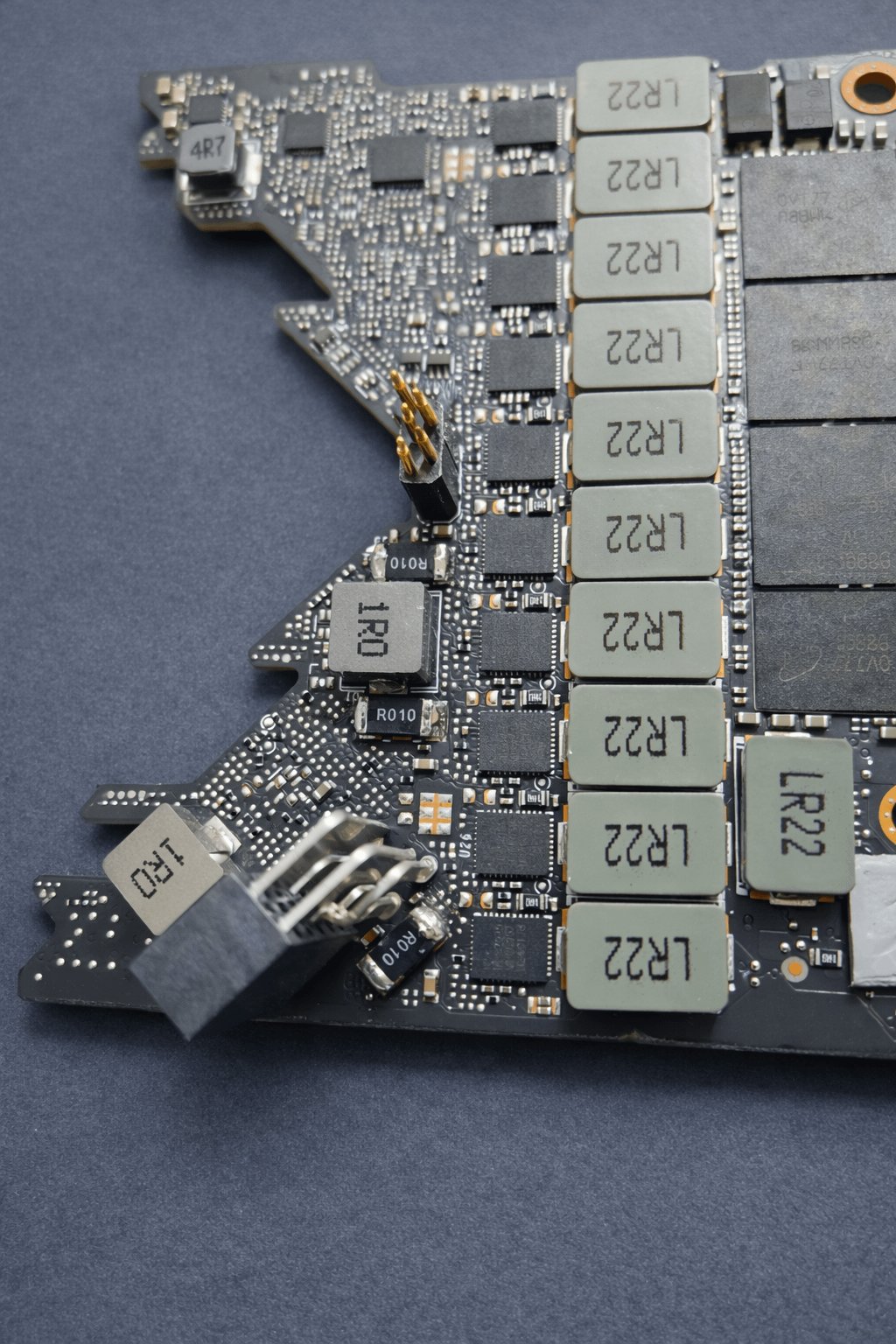
The detailed documentation of this modification project provides valuable insights into GPU power delivery systems, thermal management challenges, and the performance potential of unreleased hardware configurations. While not practical for most users, it showcases the technical expertise and experimental spirit within the PC hardware enthusiast community.
Comments
Please log in or register to join the discussion