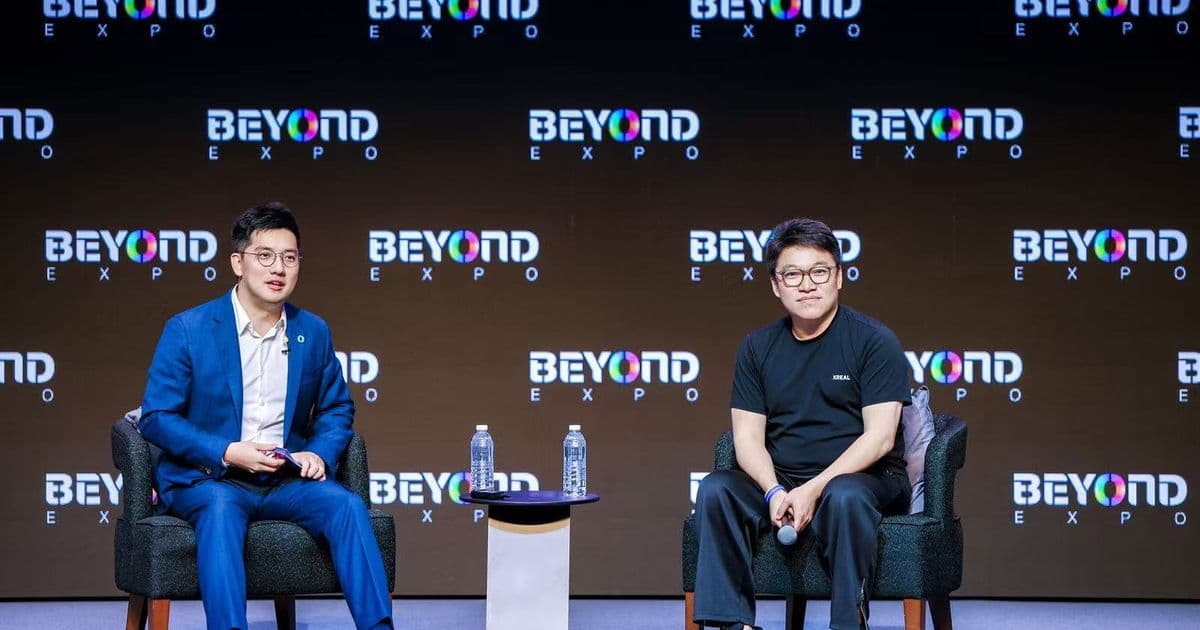
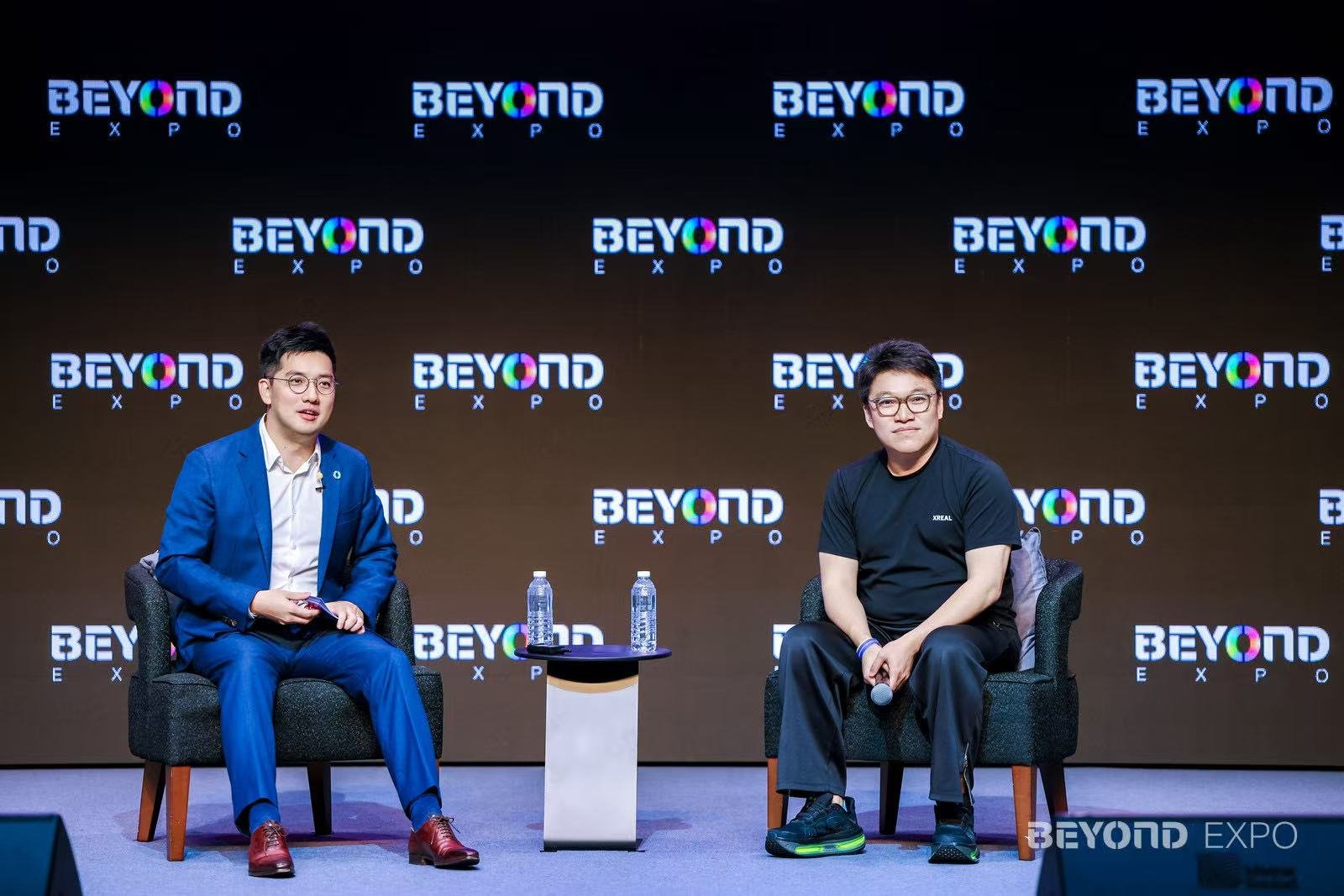
At the opening of BEYOND Expo 2026, XREAL founder Xu Chi argued that lightweight AI glasses will become the next mass‑market computing platform, announced a joint product line with Google, and disclosed a $150 million Series C round that positions the Chinese AR player to compete globally.
XREAL CEO predicts an iPhone‑like breakthrough for AI glasses at BEYOND Expo 2026
The problem: XR hardware still feels like a niche gadget
Since Apple unveiled Vision Pro, the industry has been reminded that price, bulk and battery life are still the biggest barriers to mainstream adoption. Early attempts – Google Glass, Microsoft HoloLens – proved that immersion alone does not sell devices. Consumers want something they can wear all day, just like ordinary prescription glasses, without sacrificing comfort or battery longevity.
XREAL’s answer – lightweight frames + AI at the core
Xu Chi, founder and CEO of Chinese AR glasses maker XREAL, used the BEYOND Expo opening in Macau to outline a two‑step strategy. First, strip the hardware down to a form factor that feels natural on the face; second, layer increasingly sophisticated AI on top of that platform.
“When you put them on, AI and the real world merge together,” Xu said. “The ultimate goal is a glasses‑sized personal assistant that works without you having to launch an app.”
The vision hinges on three technical trends:
- Eye‑tracking – modern sensors can infer what the user is looking at within milliseconds, allowing context‑aware prompts.
- Multimodal large models – Google’s Gemini and OpenAI’s GPT‑4‑Vision have demonstrated real‑time visual reasoning, a prerequisite for “AI that can see the world.”
- Energy‑efficient displays – micro‑LED and waveguide optics are finally reaching cost points that support all‑day use.
Funding and partnership milestones
During the same session, Xu disclosed that XREAL closed a $150 million Series C round earlier this quarter. The round was led by Sequoia Capital China with participation from Temasek and Tencent’s AI Fund. The capital will be allocated to:
- Scaling the joint XREAL‑Google product line slated for launch in Q4 2026.
- Expanding the on‑device AI stack, including a custom accelerator optimized for vision‑language models.
- Building a developer ecosystem that offers SDKs, cloud‑edge inference APIs, and a marketplace for third‑party “glasses apps.”
The partnership with Google was confirmed on stage. XREAL will integrate Google’s Gemini multimodal engine directly into its next‑generation frames, while Google gains a hardware foothold in the Chinese market and a fast‑fashion partner for rapid iteration.
Market positioning: From price‑performance to brand‑experience
Historically, Chinese hardware firms grew by undercutting global rivals on cost. Xu warned that this approach no longer scales in the AI‑enabled XR segment. “If you beat everyone 6‑0 every time, no one will want to keep playing with you,” he said, emphasizing the need for branding, cultural relevance, and localized content.
To that end, XREAL is launching a co‑creation program with designers in Europe, developers in North America, and content creators in Southeast Asia. The goal is to produce region‑specific AI assistants – for example, a Mandarin‑speaking tutor for Chinese students and an English‑language travel guide for European tourists.
How the ecosystem might unfold
- Hardware – XREAL’s upcoming glasses will weigh under 30 g, feature a 2‑hour battery life with fast‑charge, and support interchangeable lenses for prescription users.
- Software – A thin‑client model where most heavy inference runs on Google’s edge servers, but latency‑critical tasks (eye‑tracking, wake‑word detection) stay on‑device.
- Apps – Early partners include Meta’s AI Lab (for contextual AR overlays), Rokid (shared display tech), and a handful of Chinese startups building enterprise‑focused visual inspection tools.
Why this matters now
The convergence of three forces – affordable optics, real‑time visual AI, and a shift toward experience‑driven branding – suggests that the “iPhone moment” for smart glasses could be only a few product cycles away. If XREAL’s roadmap holds, we may see the first truly everyday AI glasses hitting retail shelves by the end of 2026, with a price point comparable to high‑end sunglasses rather than a premium headset.
Looking ahead
The next few months will be a litmus test for the sector. Success will depend on whether developers can deliver compelling, privacy‑respectful AI experiences that justify wearing a device all day. XREAL’s fresh funding, Google partnership, and emphasis on global co‑creation give it a solid platform, but the market will ultimately decide if AI glasses become as natural as a pair of spectacles.
Reporter: Jessie Wu
Contact: [email protected]
Read more about XREAL’s product roadmap on the official site and explore the Google Gemini documentation.
Comments
Please log in or register to join the discussion