
Nvidia plans to spend up to $150 billion annually on Taiwanese AI component makers and boost its local workforce to 4,000, a move that cements Taiwan’s role as a critical node in the global AI hardware ecosystem.
Nvidia’s Taiwan spend and hiring push
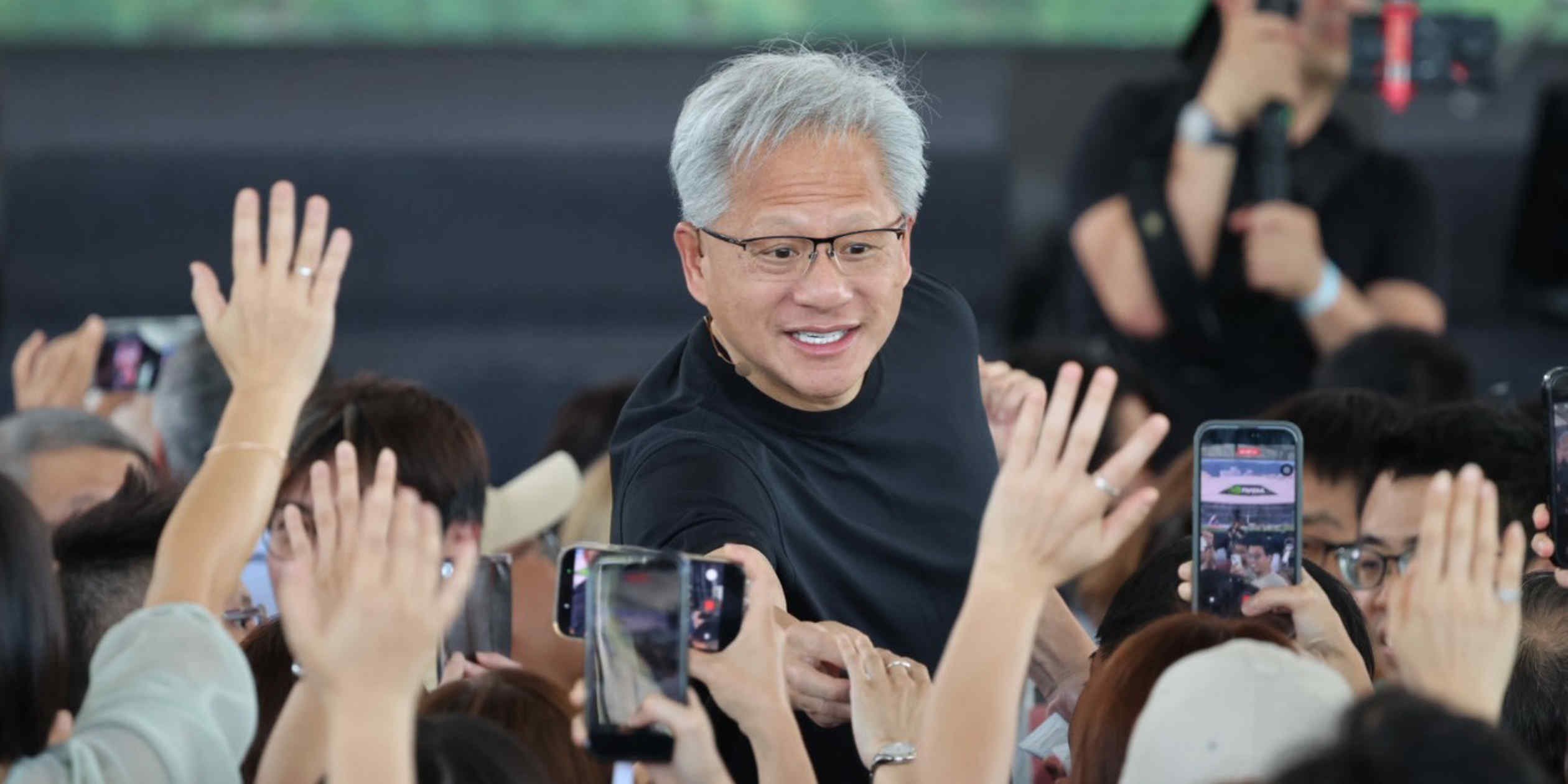
Nvidia CEO Jensen Huang announced that the company will allocate as much as $150 billion each year to its Taiwan‑based supply‑chain partners. The figure covers contracts for advanced GPUs, high‑bandwidth memory, silicon photonics, and the laser and fiber‑optic equipment that underpins data‑center interconnects. At the same time, Nvidia will raise its Taipei staff to 4,000 employees, roughly quadrupling the current headcount.
Market context
Taiwan already supplies roughly 30 % of the world’s advanced semiconductor packaging and a similar share of high‑speed optical components. The island’s firms such as TSMC, ASE, and Lumentum‑type laser manufacturers have benefited from the AI boom, seeing order books swell by double‑digit percentages in 2023‑24. Nvidia’s announced spend is therefore a direct response to two converging pressures:
- Demand outpacing supply – Global AI training workloads have grown at an estimated 70 % CAGR since 2021, pushing data‑center spend on GPUs and interconnects beyond the capacity of existing fab lines.
- Geopolitical risk management – By deepening ties with Taiwanese vendors, Nvidia diversifies away from mainland China, where export controls have limited access to certain advanced node technologies.
For comparison, Nvidia’s total 2025 revenue is projected at $45 billion, meaning the Taiwan spend could represent up to one‑third of the company’s annual sales if fully realized. In fiscal 2024, Nvidia reported an 85 % year‑over‑year revenue jump, yet its outlook still excluded growth from China, underscoring the strategic pivot toward Taiwan.
What it means for the industry
- Supply‑chain resilience – A multi‑billion‑dollar commitment will likely lock in longer‑term capacity agreements with Taiwanese fabs, reducing the risk of bottlene‑bottlenecks that have plagued AI hardware launches in the past.
- Talent concentration – Expanding the local workforce to 4,000 engineers and support staff will create a hub of AI‑hardware expertise, attracting further foreign R&D investment and potentially spawning a regional ecosystem of AI‑focused startups.
- Pricing pressure on competitors – AMD and Intel, which also rely on Taiwanese fabs, may face higher component costs if Nvidia’s volume drives up demand for scarce laser and photonics equipment.
- Policy implications – The move could prompt U.S. and Taiwanese authorities to coordinate on export‑control regimes and investment incentives, reinforcing the island’s status as an "AI epicenter."
Overall, Nvidia’s financial commitment signals that the company views Taiwan not just as a manufacturing base but as a strategic partner in the next wave of AI hardware development. The scale of the spend suggests that future AI models will demand ever‑greater compute density, and that the industry’s supply chain will continue to gravitate toward regions capable of delivering both cutting‑edge silicon and the optical infrastructure that ties it together.
Comments
Please log in or register to join the discussion