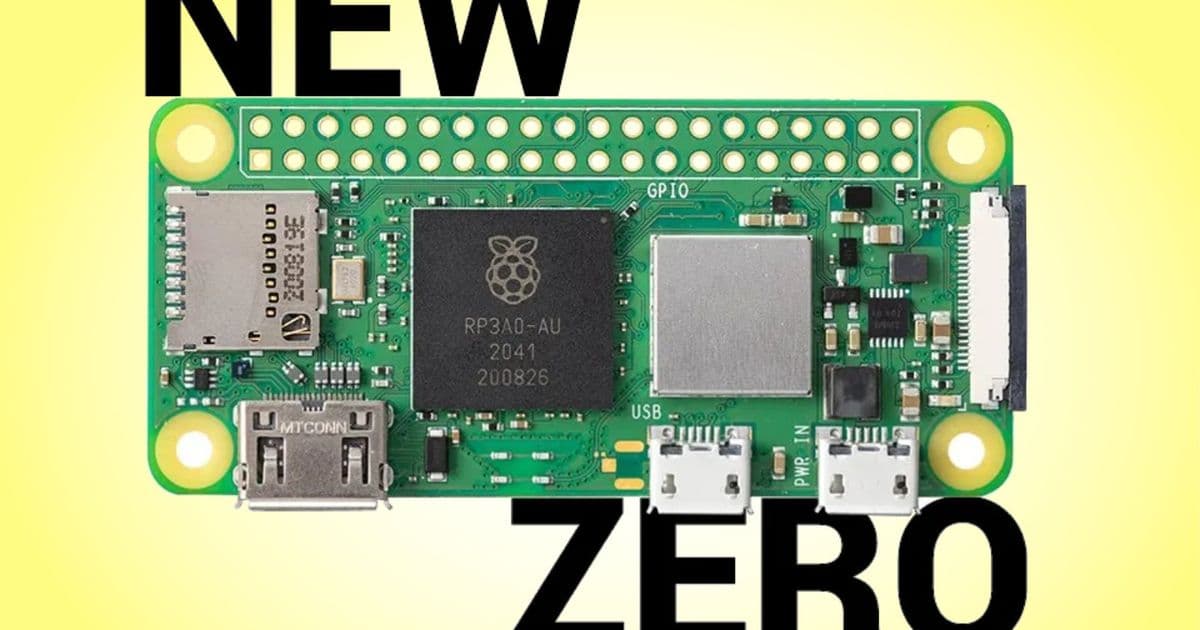
Raspberry Pi CEO Eben Upton says a Zero 3 W is technically feasible, yet soaring LPDDR4/LPDDR4X prices mean the next Zero‑class board would likely cost far more than the historic sub‑$10 price tag, delaying any launch until memory costs normalize.
Raspberry Pi hints at Zero 3 W, but memory costs could push price far above the classic $5‑$15 range
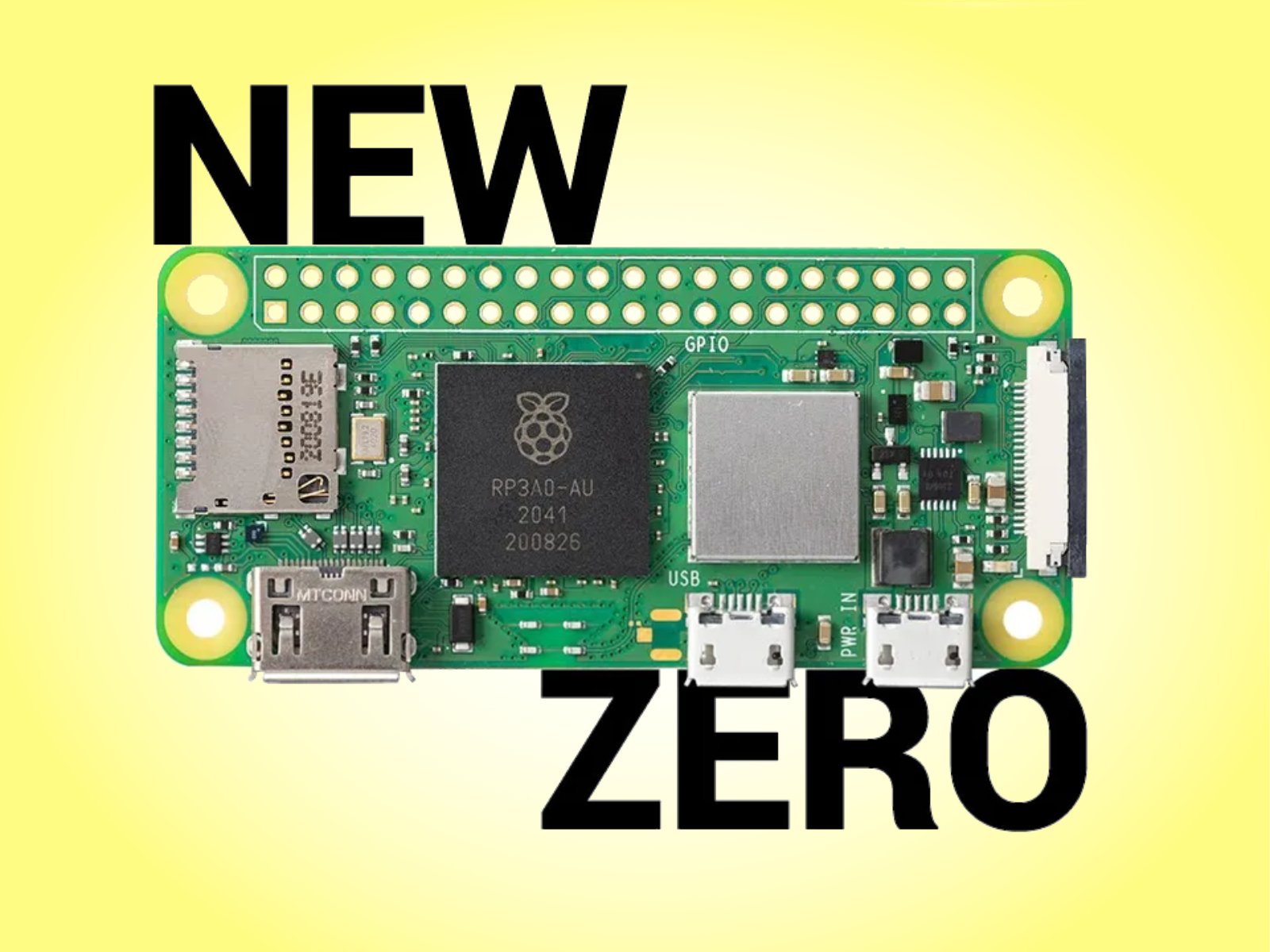
The Zero 2 W, launched in late 2021, has been the workhorse of the ultra‑low‑cost SBC market for almost five years. At launch it sold for US $15, and a solder‑ready version (Zero 2 WH) fetched about $37 on Amazon. Those numbers still feel generous compared with the original Pi Zero’s $5 launch price back in 2015.
In a recent Reddit AMA, Raspberry Pi founder and CEO Eben Upton dropped the first concrete clues about a potential Zero 3 W. He confirmed that a third‑generation Zero‑branded board is “quite feasible,” but he also warned that the economics of modern memory chips could force a price that looks nothing like the Zero’s historic $5‑$15 sweet spot.
What would change under the hood?
Upton explained that a Zero 3 W would need a dual‑sided PCB to accommodate two major upgrades:
- LPDDR4/LPDDR4X RAM – The Zero 2 W still uses LPDDR2, which is cheap but lags behind current low‑power standards. Moving to LPDDR4 would give a noticeable bump in bandwidth and power efficiency, essential for any newer ARM Cortex‑A55 or similar cores.
- A more modern SoC – The current Zero 2 W is built around the Broadcom BCM2710A1 (a stripped‑down Cortex‑A53). Upton hinted at “one of the more modern SoCs,” which likely means a Cortex‑A55 or even a Cortex‑A76‑based chip from the Raspberry Pi Compute Module line, offering higher clock speeds and better GPU performance.
Both upgrades demand a second layer on the board for routing, as well as a more complex power‑management IC. That alone adds a few dollars to the bill of materials.
Why the price could jump to “un‑Zero‑like” levels
The stumbling block isn’t the processor; it’s the memory. LPDDR4 and LPDDR4X have been under intense price pressure since 2022, driven by global supply constraints and the surge in demand from smartphones and tablets. As a result, a 512 MiB LPDDR4 module now costs roughly $8‑$10 in bulk, compared with $1‑$2 for the LPDDR2 used in the Zero 2 W.
If Raspberry Pi were to ship a Zero 3 W with 512 MiB or 1 GiB of LPDDR4, the memory alone would eat up the entire margin that kept the Zero series affordable. Adding a newer SoC and a dual‑layer PCB pushes the bill of materials into the $20‑$30 range before packaging, testing, and logistics.
Upton’s own words summed it up: the board would launch at a “rather un‑Zero‑like price point” if released today.
How this compares to the existing lineup
| Model | Launch year | CPU | RAM type | RAM size | Typical price (USD) |
|---|---|---|---|---|---|
| Pi Zero (original) | 2015 | Broadcom BCM2835 (ARM11) | LPDDR2 | 512 MiB | $5 |
| Pi Zero 2 W | 2021 | Broadcom BCM2710A1 (Cortex‑A53) | LPDDR2 | 512 MiB | $15 |
| Pi Zero 2 WH | 2021 | Same as Zero 2 W | LPDDR2 | 512 MiB | $37 (pre‑soldered header) |
| Potential Zero 3 W | 2026 (speculative) | Likely Cortex‑A55 or similar | LPDDR4/4X | 512 MiB‑1 GiB | $25‑$35 (estimate) |
Compared with the Raspberry Pi Compute Module 4 (which already uses LPDDR4X), the Zero 3 W would still be smaller and cheaper, but it would no longer sit in the sub‑$20 niche that made the Zero line attractive for hobbyist IoT projects, wearables, and ultra‑compact prototypes.
Who would still care about a Zero 3 W?
- Industrial IoT integrators – They value the tiny footprint and can justify a higher unit cost if the board offers better power efficiency and longer lifecycle.
- Educational kits – Schools that need a reliable, slightly more capable board for coding labs may prefer the newer architecture, even at $30.
- Hobbyists building edge‑AI devices – The extra GPU and memory bandwidth could enable lightweight inference on models like TinyML, which the Zero 2 W struggles with.
Conversely, the classic maker community that buys dozens of boards for cheap sensor nodes will likely stick with the Zero 2 W or look to alternatives such as the Orange Pi Zero 2 or Banana Pi M2 Zero, which still ship with LPDDR2 at low cost.
What’s next for the Zero family?
Upton indicated that Raspberry Pi is stockpiling LPDDR4/LPDDR4X in hopes of a price dip later in the year. If memory costs fall by 30‑40 % – a realistic scenario as 2027‑2028 production ramps up – a Zero 3 W could finally hit a price closer to $20, making it a viable successor.
In the meantime, the company is also teasing the Raspberry Pi 6 (the next full‑size board) and continues to expand the Compute Module line, which may serve as a testbed for the new SoC before it trickles down to a Zero‑form factor.
Bottom line
A Zero 3 W is technically within reach, but memory pricing forces a launch price that would break the Zero brand’s historic affordability. Expect the board to appear only when LPDDR4/4X costs drop, or be positioned as a premium ultra‑compact SBC for niche applications rather than the $5‑$15 hobby staple it once was.
For more on Raspberry Pi’s upcoming products, see our related coverage of the Raspberry Pi 6 and the latest Compute Module releases.
Comments
Please log in or register to join the discussion