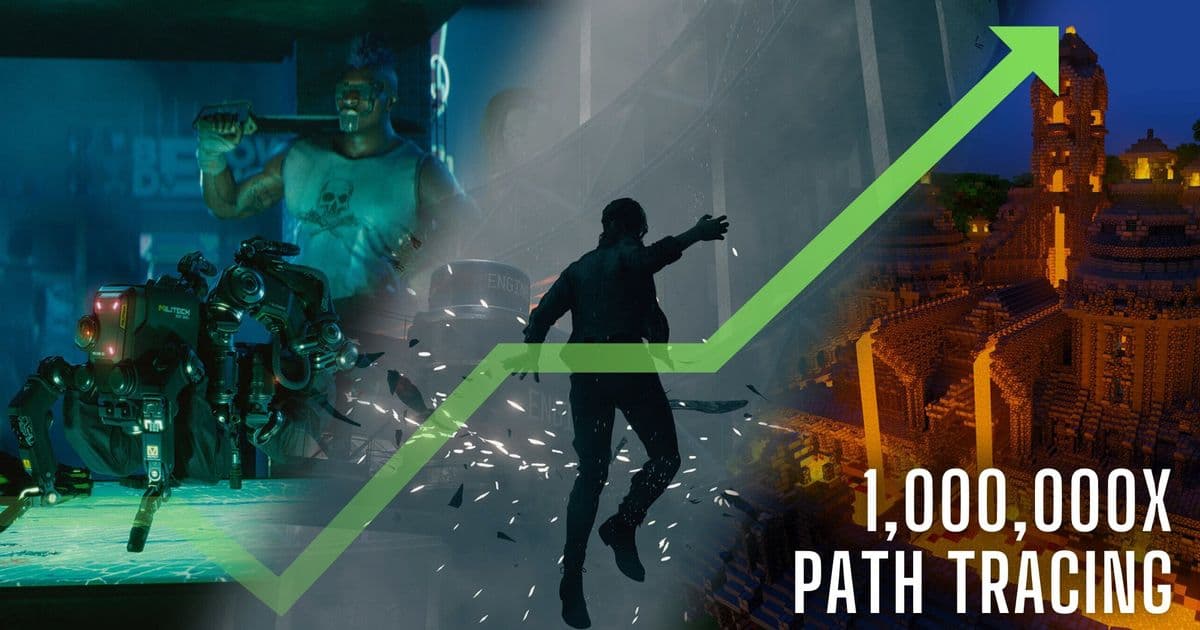
Nvidia VP John Spitzer reveals gaming GPUs have improved path tracing performance 10,000x since Pascal, with future AI-driven hardware targeting 1 million times better performance by 2028.
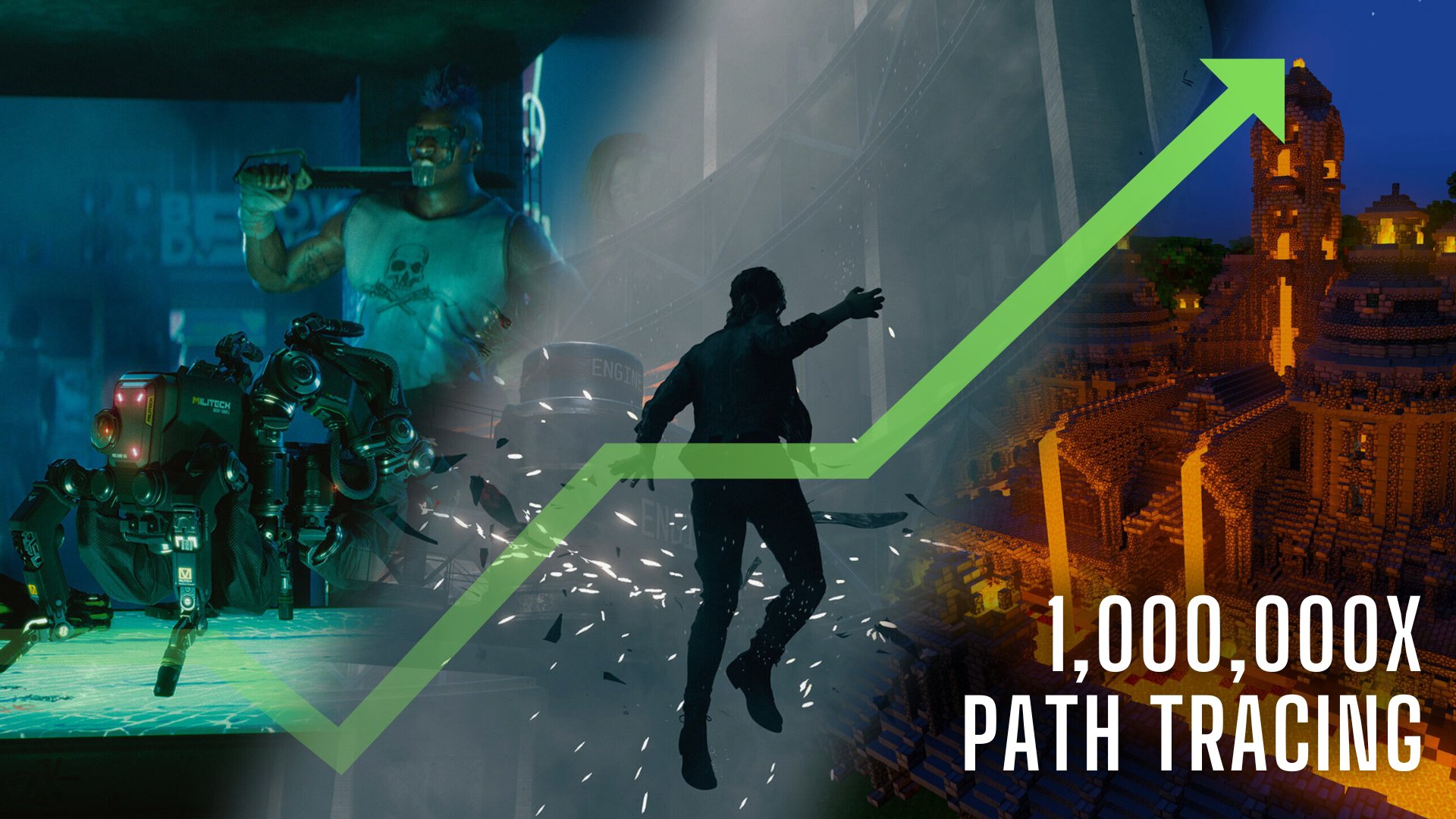
Nvidia's gaming GPUs have achieved a remarkable 10,000-fold improvement in path tracing performance since the Pascal generation launched a decade ago, and the company projects future hardware will deliver performance gains of up to 1 million times better than current RTX 10 series cards, according to a presentation at GDC 2026 by John Spitzer, VP of Developer and Performance Technology.
The presentation, titled "Driving Innovation and RTX Advances," showcased Nvidia's trajectory toward photorealistic real-time rendering through AI-driven neural rendering. Spitzer emphasized that traditional silicon scaling alone, as described by Moore's Law, would be insufficient to achieve the computational demands required for indistinguishable-from-reality graphics within a human lifetime.
"We need a hundred or thousand times more computational power to reach photorealistic visuals," Spitzer stated during the presentation. "This is where AI becomes the catalyst."
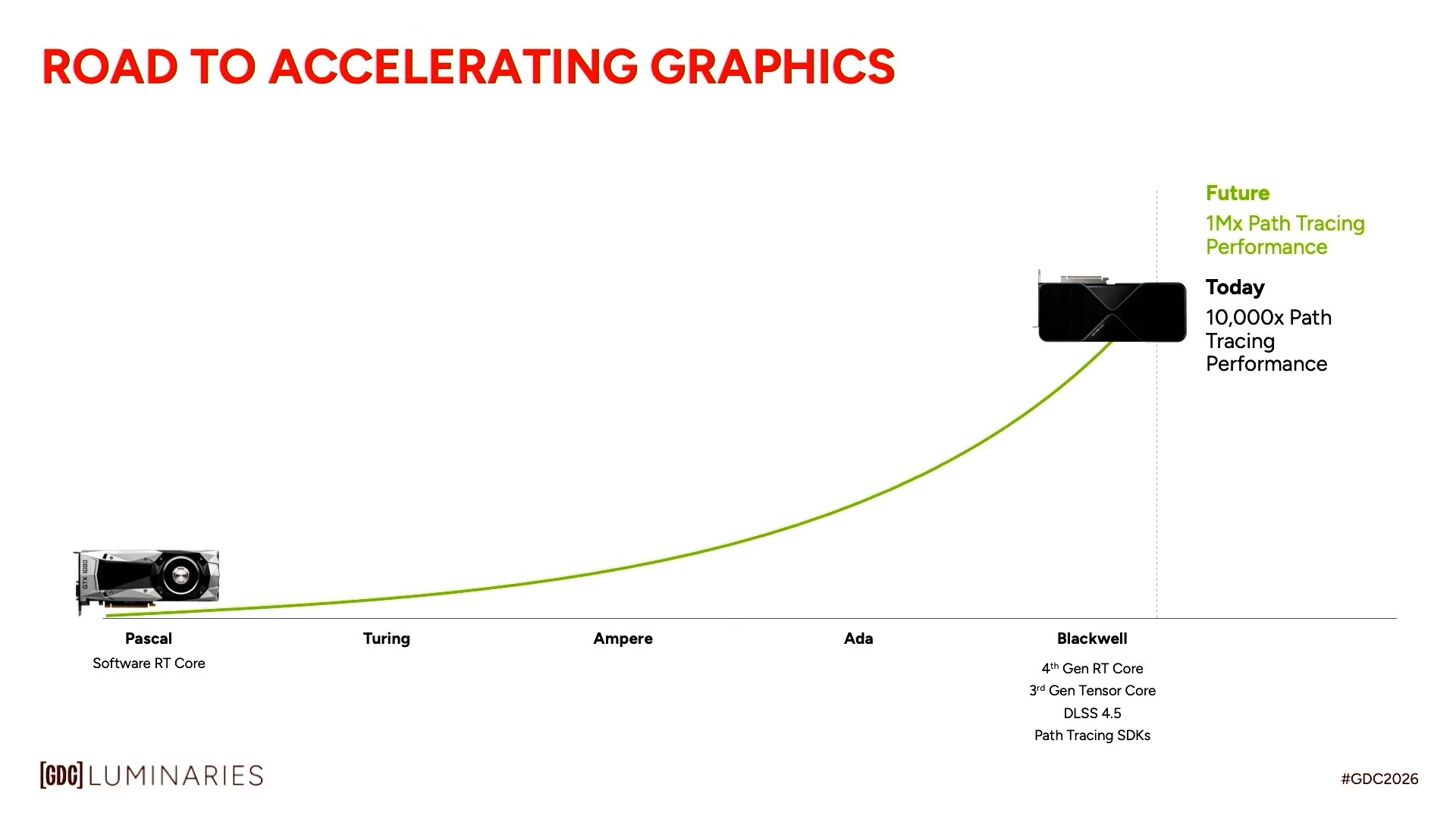
The current 10,000x improvement stems from hardware-accelerated neural rendering capabilities introduced with Turing's dedicated RT and Tensor cores. These specialized processing units enable machine learning operations essential for features like DLSS (Deep Learning Super Sampling), which relies on AI models trained on Nvidia's supercomputers to reconstruct frames with greater accuracy in both upscaling and frame generation scenarios.
Looking ahead, Nvidia's roadmap targets 1,000,000 times better path tracing performance compared to the RTX 10 series. This ambitious goal will be achieved through next-generation hardware blocks that make neural rendering the default rendering approach. According to Nvidia CEO Jensen Huang, future GPUs will enable games to "look like a film" while maintaining smooth frame rates through real-time AI frame interpolation.
The timeline for these advancements aligns with Nvidia's next-generation Rubin GPUs, expected to launch between 2027 and 2028. These cards will likely incorporate more efficient AI processing units and enhanced neural rendering capabilities that fundamentally change how games are rendered.
Nvidia also previewed emerging path tracing technologies during the presentation, including ReSTIR (Reservoir-based Spatiotemporal Importance Resampling) and RTX Mega Geometry. A Witcher 4 tech demo demonstrated these capabilities, featuring over two trillion triangles in a single scene with realistic foliage and lighting effects.
The path tracing ecosystem continues expanding rapidly, with Resident Evil Requiem being the latest major title to add support. As more developers adopt these technologies, the demand for advanced hardware acceleration will intensify, driving the innovations Nvidia outlined in its roadmap.
This trajectory represents a fundamental shift in graphics rendering, where AI doesn't just enhance existing techniques but becomes the primary method for achieving real-time photorealism. The 1 million times performance improvement target suggests future gaming GPUs will be capable of rendering scenes with complexity and fidelity that would be impossible with traditional rasterization alone.
Comments
Please log in or register to join the discussion