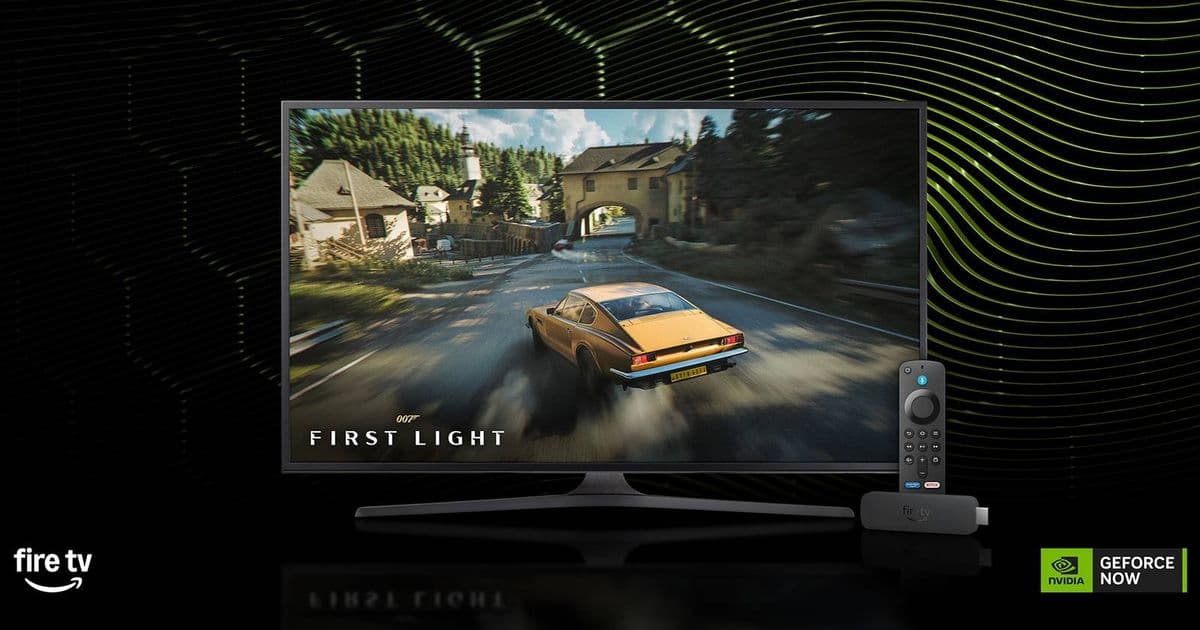
NVIDIA GeForce Now's arrival on Amazon Fire TV Stick creates new cross-platform opportunities, requiring developers to optimize for TV interfaces, controller inputs, and cloud-streaming constraints.
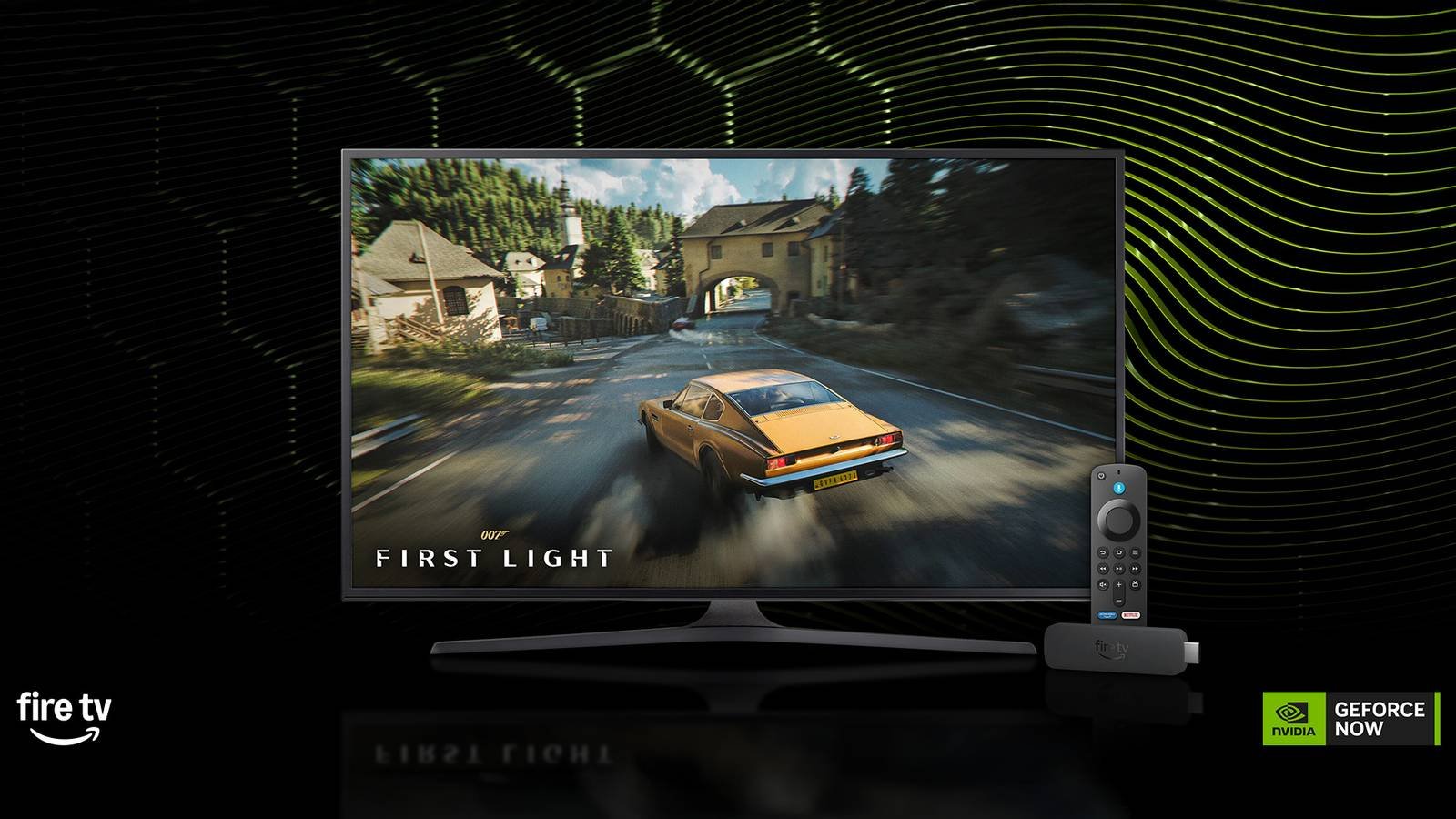
The arrival of NVIDIA GeForce Now on Amazon Fire TV Stick marks a strategic expansion of cloud gaming into one of the most popular streaming hardware ecosystems. For mobile developers targeting Android-based platforms, this integration introduces both opportunities and technical considerations that demand attention.
Platform-Specific Requirements
Fire TV devices impose unique constraints compared to mobile or desktop environments:
- Resolution & Aspect Ratios: Fire TV Sticks support up to 1080p (4K on higher-end models), requiring UI elements optimized for TV viewing distances. Developers should implement Android's resource qualifiers for large-screen layouts.
- Input Methods: Native controller support via Bluetooth (PS5/Xbox controllers) replaces touch controls. Games must implement Android InputManager APIs and fallbacks for TV remotes.
- Performance Constraints: Entry-level Fire TV Sticks have limited RAM (1-2GB). While GeForce Now handles rendering, apps still run within Fire OS's resource limits.
The GeForce Now SDK requires integration via NVIDIA's GameStream Co-Process SDK, which handles video encoding/decoding and controller input mapping. Developers must ensure their games meet NVIDIA's compatibility requirements for cloud streaming.
Cross-Platform Development Strategies
- Input Abstraction: Use input frameworks like Unity's Input System or Google's Leanback Library to unify touch/controller logic.
- Dynamic Resolution Scaling: Implement adaptive rendering (e.g., Unity's Dynamic Resolution) to maintain performance across Fire TV generations.
- Cloud-Specific Optimization: Reduce initial loading times by optimizing asset bundles and minimizing cold-start dependencies, crucial for streaming latency.
Adoption Roadmap
For existing Android games:
- Test on Fire OS: Validate performance using Fire TV App Tester
- Update Manifest: Declare
leanbacksupport and hardware features inAndroidManifest.xml - Submit to Amazon Appstore: Requires separate packaging from Google Play builds
This expansion signals increased convergence between mobile and TV platforms. Developers can leverage tools like Android TV Compose Libraries to build responsive UIs that scale across devices. As cloud gaming penetration grows, optimizing for low-latency streaming and TV interfaces becomes essential for cross-platform success.
Comments
Please log in or register to join the discussion