
A prominent hardware leaker claims Nvidia has reduced graphics card shipments to its AIC partners by 15-20%, a move that could further inflate already skyrocketing prices for GeForce RTX 50-series GPUs. The report also suggests no new GeForce gaming cards will launch until 2027, extending the current product cycle and leaving gamers with limited options.
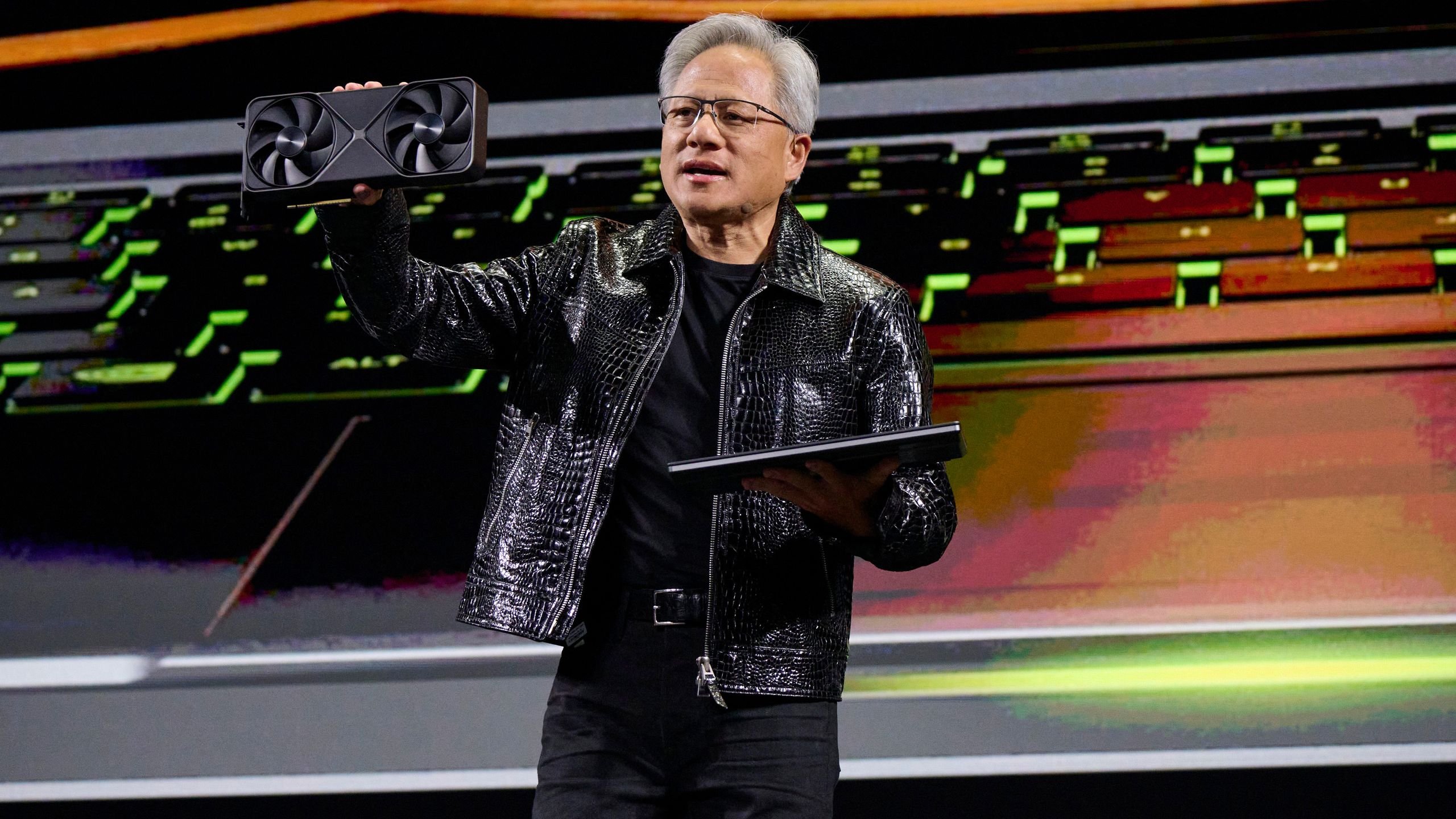
The graphics card market is facing another severe supply shock, with Nvidia allegedly implementing significant cuts to its GPU shipments to add-in-card (AIC) partners. According to hardware leaker MEGAsizeGPU, Nvidia has reduced supply by 15% to 20%, a substantial reduction that will inevitably drive already inflated prices even higher.
This supply reduction comes at a particularly problematic time. The GeForce RTX 50-series, codenamed Blackwell, launched with premium pricing that has since escalated dramatically. In just the last three months, the flagship GeForce RTX 5090 has experienced a staggering 79% price surge, while the RTX 5080 has seen increases of up to 35%. These figures represent retail price movements, not manufacturer suggested retail prices (MSRP), indicating that market scarcity and distributor pricing strategies are creating extreme inflation.
The Current Market Reality
The graphics card crisis that began during the cryptocurrency mining boom has evolved into a persistent structural problem. The basic principle of supply and demand guarantees that reduced inventory flowing to manufacturers will continue the upward price trajectory. When supply contracts while demand remains relatively stable, prices rise to clear the market—a fundamental economic reality that affects the entire graphics card ecosystem.
The situation has become particularly acute with Nvidia's latest generation. The RTX 50-series represents the company's most advanced consumer graphics architecture, featuring improved ray tracing capabilities, enhanced AI processing through Tensor cores, and significant memory bandwidth improvements. However, these technological advancements have been overshadowed by pricing that places these cards out of reach for many gamers and system builders.
Comparative Market Analysis
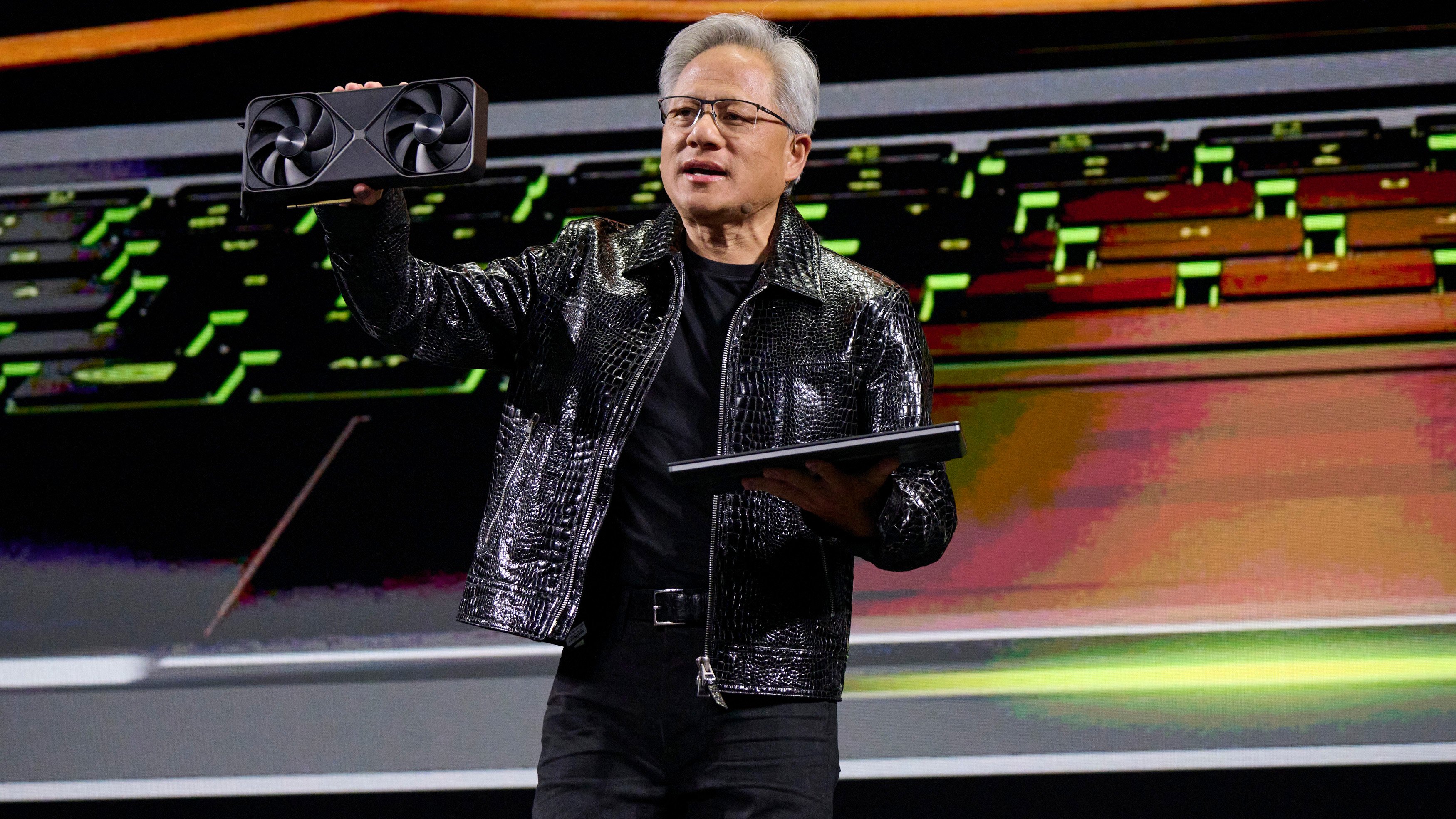
While Nvidia's pricing situation dominates headlines, the broader market shows varied trends. AMD's competing Radeon RX 9700 series, powered by the RDNA 4 architecture, has also experienced price increases, though these remain within more reasonable margins. The Radeon RX 9070 XT has risen by up to 17%, while the standard Radeon RX 9070 has increased by approximately 15% over the same three-month period.
In a notable contrast, Intel's Arc B-series (codenamed Battlemage) graphics cards have actually become more affordable. The Arc B580 and Arc B570 have seen price reductions of approximately 4% and 9% respectively, making Intel the only major manufacturer currently moving in a consumer-friendly direction. This pricing behavior suggests Intel may be prioritizing market share acquisition over immediate profit margins, a strategy that could position them favorably as gamers seek alternatives to Nvidia's premium pricing.
Extended Product Cycle Concerns
Perhaps more concerning than the immediate supply cuts is the claim that Nvidia has no plans to release any new GeForce graphics cards until 2027. This would represent an unusually long product cycle for the company, which has traditionally refreshed its lineup more frequently. The timeline raises questions about whether the company is focusing its manufacturing capacity on data center and AI products, where margins are substantially higher.
The claim that no new GeForce gaming GPUs will arrive until 2027 could refer to either a rumored GeForce RTX 50-series refresh or the next-generation GeForce RTX 60 series, which would leverage Nvidia's latest Rubin architecture. The Rubin architecture represents the successor to Blackwell, promising further improvements in ray tracing performance, AI processing capabilities, and energy efficiency. However, if the 2027 timeline holds true, gamers would face nearly two years without new hardware options from the market leader.
Supply Chain Context
The reported supply reduction to AIC partners reflects broader semiconductor industry dynamics. Nvidia's manufacturing capacity at TSMC is finite, and the company must allocate its 3nm and 4nm wafer production across multiple product lines. The data center GPU market, particularly for AI training and inference, commands significantly higher margins than consumer gaming cards. This creates a natural incentive to prioritize production for products like the H100, H200, and upcoming Blackwell data center GPUs over consumer GeForce cards.
The AIC partners—companies like ASUS, MSI, Gigabyte, and EVGA (though EVGA has exited the market)—rely on consistent GPU supply to manufacture and distribute graphics cards. When Nvidia reduces shipments by 15-20%, these partners must either absorb higher costs per unit or pass them on to consumers. Given the already thin margins in the graphics card business, most partners will opt for the latter.
Market Implications for Gamers
For gamers and system builders, this situation presents several challenges. First, the immediate price increases mean that upgrading or building a new gaming PC becomes significantly more expensive. A system that might have cost $2,000 with an RTX 5080 three months ago could now require $2,700 for the same components.
Second, the extended product cycle means that those who cannot afford current prices must wait longer for potential price corrections or new product launches. This creates a backlog of demand that could further strain the market when new products do eventually launch.
Third, the supply reduction may affect product availability beyond just pricing. While the report focuses on supply cuts, it doesn't specify whether this affects all RTX 50-series models equally or if certain SKUs face more severe restrictions. Historically, higher-end models like the RTX 5090 and RTX 5080 receive priority allocation, potentially leaving mid-range options like the RTX 5070 and RTX 5060 in even shorter supply.
Strategic Alternatives
Given these circumstances, gamers face difficult choices. The most prudent approach may be to maintain existing hardware and wait for market conditions to stabilize. However, for those with failed components or urgent upgrade needs, alternatives exist.
AMD's RDNA 4-based Radeon RX 9700 series, while also experiencing price increases, remains more accessible than Nvidia's offerings. The architecture provides competitive ray tracing performance and strong rasterization capabilities, making it a viable alternative for most gaming scenarios.
Intel's Battlemage represents the most consumer-friendly option currently available, with actual price reductions rather than increases. While Intel's graphics drivers and software ecosystem continue to mature, the hardware itself offers solid performance for mainstream gaming at 1080p and 1440p resolutions.
Long-Term Market Outlook
The reported supply cuts and extended product cycle suggest that the graphics card market may be undergoing a fundamental shift. Nvidia's dominance in both gaming and AI computing creates unique challenges when manufacturing capacity cannot meet demand for both segments. The company's strategic decision to prioritize data center products over consumer gaming reflects the economic reality that AI accelerators command substantially higher revenue per wafer.
This situation may persist until TSMC expands its advanced manufacturing capacity or until alternative foundries like Samsung or Intel Foundry can produce competitive 3nm-class chips at scale. Until then, gamers will likely continue to face elevated prices and limited availability.
The broader industry implication is that the graphics card market may be transitioning from a consumer-driven cycle to one where data center demand dictates production planning. This represents a significant departure from the historical pattern where gaming innovation drove consumer GPU development, with data center products benefiting from the resulting architectural improvements.
For now, the immediate recommendation for gamers is to monitor prices closely, consider AMD and Intel alternatives, and be prepared for a potentially extended period of elevated pricing and limited selection in the GeForce lineup. The 2027 timeline for new GeForce products, if accurate, would represent the longest gap between generations in Nvidia's history, fundamentally altering upgrade cycles for PC gamers.
The hardware community will be watching closely for official statements from Nvidia regarding these supply claims and product roadmap details. Until then, the market remains in a state of uncertainty, with prices continuing their upward trajectory and supply constraints showing no signs of immediate resolution.
Comments
Please log in or register to join the discussion