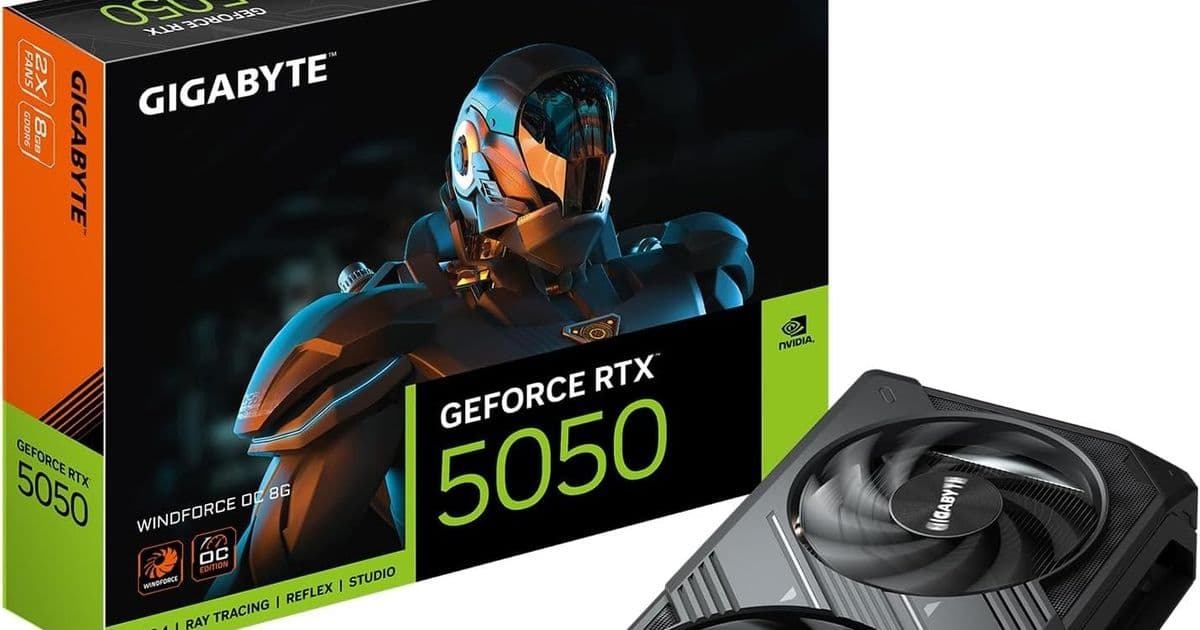
Nvidia reportedly plans to upgrade the RTX 5050 desktop GPU from 8GB to 9GB VRAM using faster GDDR7 memory, though the practical gaming benefits appear minimal.
The RTX 50 Super series delay until 2026 has left Nvidia scrambling to keep its Blackwell architecture relevant in the gaming market. According to a leak from prominent hardware insider @Zed__Wang, the company is planning a modest refresh for its entry-level RTX 5050 desktop GPU that involves a slight VRAM upgrade.
The VRAM Upgrade Details
The rumored RTX 5050 9 GB variant would utilize 3 GB GDDR7 memory modules, bringing the total VRAM to 9 GB. This represents a 1 GB increase over the current 8 GB GDDR6 configuration. However, the upgrade comes with some caveats that limit its practical impact.
Currently, the RTX 5050 8 GB operates on a 128-bit memory bus. The new 9 GB variant would switch to a 96-bit bus configuration. While this narrower bus might seem like a downgrade, the faster GDDR7 memory helps offset the difference. Depending on the specific GDDR7 modules used (either 28 Gbps or 32 Gbps variants), the memory bandwidth would range from 336 GB/s to 384 GB/s, compared to the current 320 GB/s with GDDR6.
Limited Performance Impact
Despite the technical upgrade, the real-world gaming performance benefits appear minimal. The memory bandwidth remains roughly equivalent to the existing model, and other core specifications like the GPU core, TGP (Total Graphics Power), and clock speeds are expected to remain unchanged. This suggests the RTX 5050 9 GB would perform nearly identically to its predecessor in most gaming scenarios.
Strategic Questions
The decision to upgrade the RTX 5050 rather than focusing on higher-end models raises questions about Nvidia's strategy. The RTX 5060 lineup, which sits in a more competitive performance segment, could arguably benefit more from additional VRAM. The move appears to be driven by Nvidia's need to utilize its 3 GB GDDR7 modules rather than a genuine attempt to improve the 5050's capabilities.
For budget-conscious gamers, this refresh offers little reason to upgrade, as the performance characteristics would remain essentially unchanged. The upgrade seems more like a stopgap measure to keep the Blackwell lineup fresh while the company prepares its more substantial RTX 50 Super refresh for 2026.
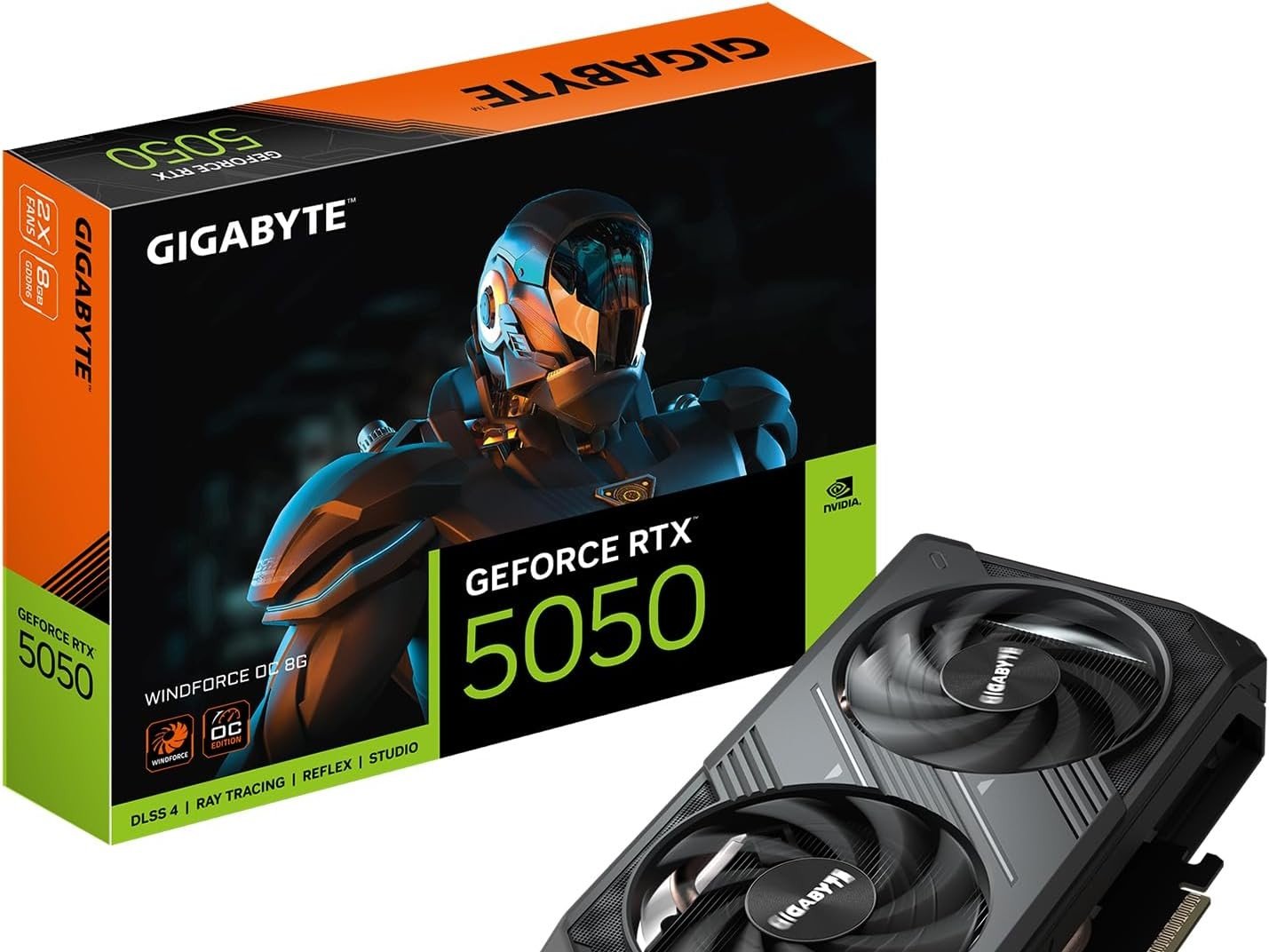
This mid-cycle refresh follows a pattern we've seen from Nvidia in previous generations, where entry-level cards receive minor spec bumps to maintain market presence while waiting for major architectural updates.
Comments
Please log in or register to join the discussion