Oil prices climbed as markets reacted to conflicting signals about the potential for military escalation in the Middle East, with traders weighing the risk of supply disruptions against diplomatic uncertainty.
Oil prices climbed anew on Friday as markets grappled with mixed signals from the Trump administration about the potential for military escalation with Iran, highlighting how geopolitical tensions continue to drive volatility in energy markets.
Market Reaction to Geopolitical Uncertainty
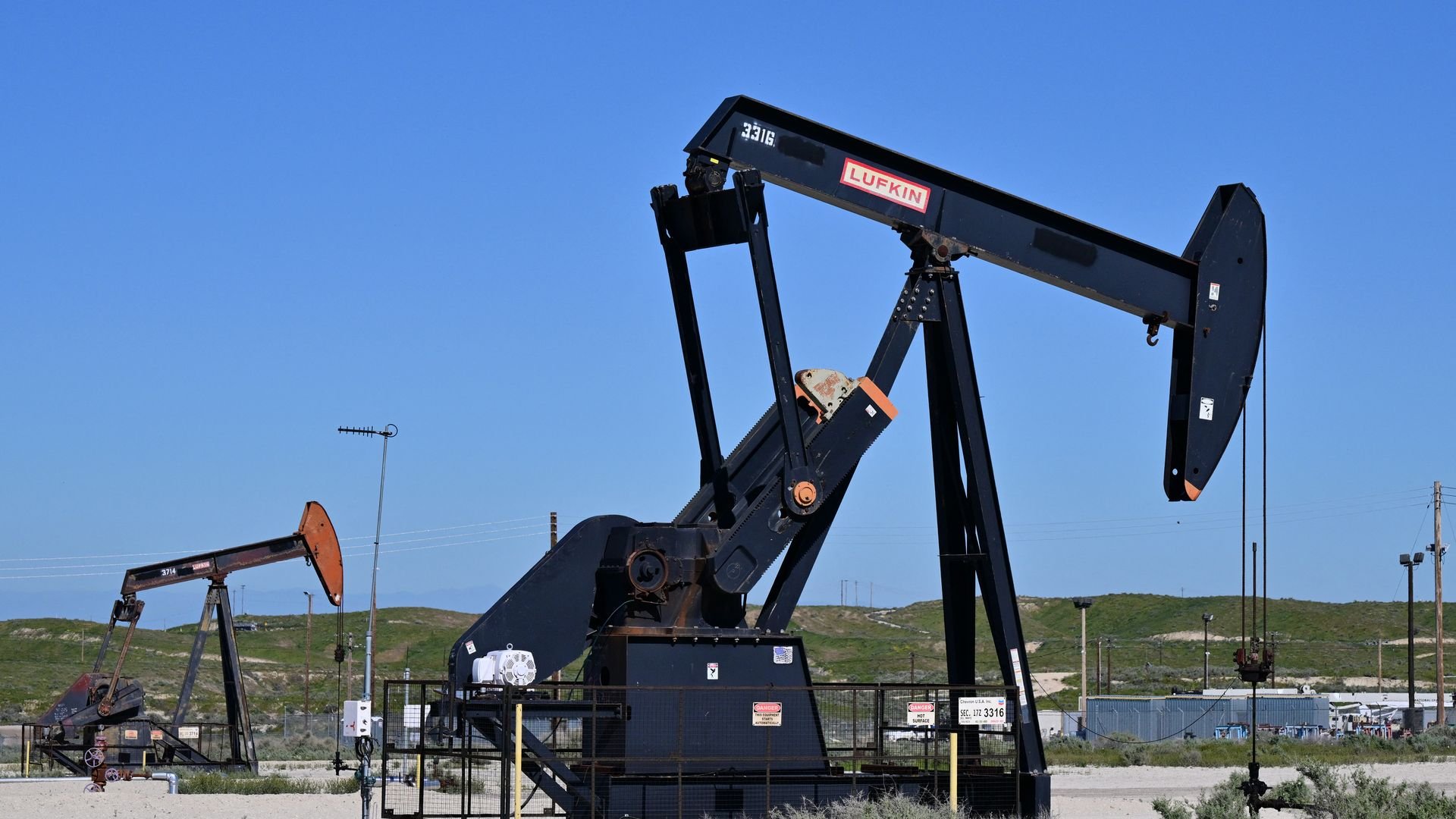
The price of Brent crude, the global benchmark, rose approximately 1.5% to trade above $75 per barrel, while West Texas Intermediate crude gained similar ground, settling around $71 per barrel. The upward momentum came despite earlier sessions where prices had retreated on hopes of diplomatic de-escalation.
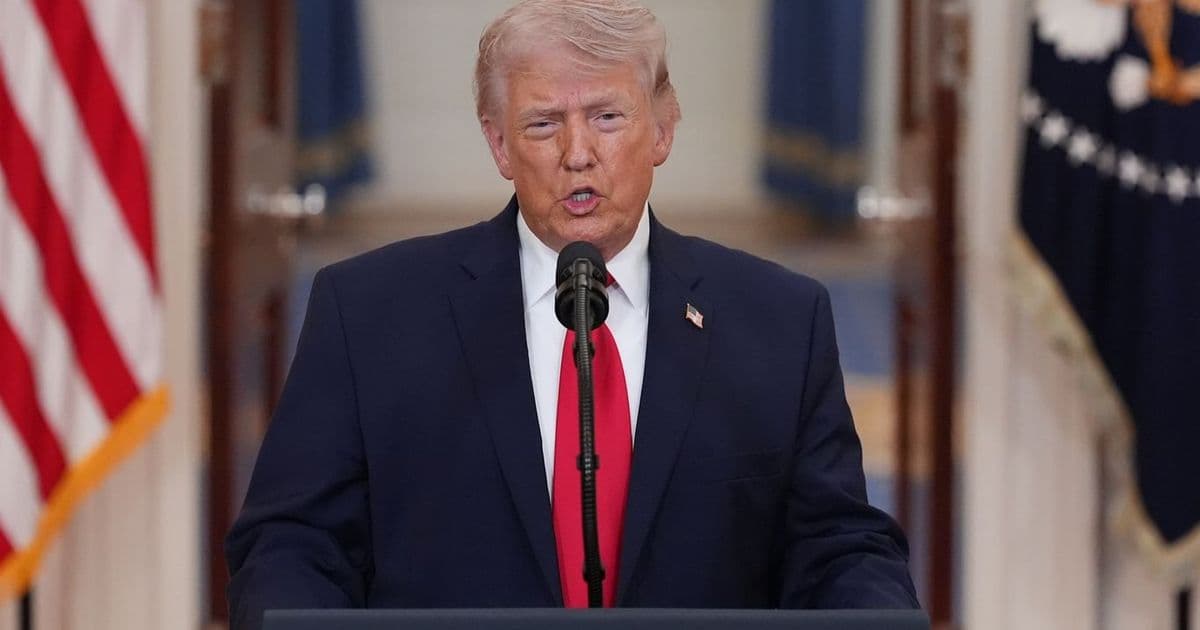
Traders cited conflicting messages from Washington as the primary catalyst for the renewed buying interest. President Trump's statements throughout the week alternated between threats of military action and suggestions that negotiations might still be possible, creating a whipsaw effect in oil futures trading.
The Iran Factor in Energy Markets
Iran's position as a major oil producer - ranking among the top five OPEC members - means that any military confrontation carries significant implications for global supply. The country exports approximately 2.5 million barrels per day, and the threat of disrupted shipments through the Strait of Hormuz, which handles roughly 20% of global oil trade, keeps traders on edge.
Market analysts noted that the current price levels reflect a "war premium" of roughly $5-7 per barrel, built into prices specifically to account for the risk of supply disruptions. This premium fluctuates based on the perceived likelihood of conflict.
Historical Context and Market Patterns
The current situation echoes previous periods of heightened tensions with Iran, particularly the 2019 attacks on Saudi oil facilities and the 2020 killing of Iranian General Qasem Soleimani. In both instances, oil prices spiked temporarily before settling as markets assessed the actual impact on supply chains.
Energy analysts point out that the oil market has become somewhat desensitized to geopolitical threats over the past decade, as U.S. shale production has increased domestic supply and reduced dependence on Middle Eastern crude. However, the interconnected nature of global energy markets means that disruptions still have ripple effects worldwide.
Economic Implications
The price movements have immediate implications for consumers and businesses. Higher oil prices typically translate to increased gasoline costs, with each $1 rise in crude prices adding approximately 2.4 cents to the price of a gallon of gas. This comes at a time when inflation concerns are already pressuring central banks and consumers alike.
For the broader economy, sustained oil prices above $75 per barrel begin to create headwinds for economic growth, particularly in energy-importing nations. The International Energy Agency estimates that a $10 increase in oil prices can reduce global GDP growth by 0.2-0.3 percentage points.
Looking Ahead
Market participants are now focused on several key developments that could influence oil prices in the coming weeks:
- The outcome of ongoing diplomatic efforts to de-escalate tensions
- Production decisions from OPEC+ members, who are scheduled to meet next month
- U.S. inventory data, which showed unexpected draws last week
- The trajectory of global demand as economic growth shows signs of slowing
Energy traders emphasized that the market remains highly sensitive to headlines from the region, with algorithmic trading systems programmed to react instantly to news about military movements or diplomatic statements. This creates additional volatility beyond what traditional supply and demand factors would suggest.
The situation underscores how geopolitical risk remains a critical, if unpredictable, factor in energy markets. While fundamental factors like supply, demand, and inventory levels provide a baseline for prices, it's often the threat of disruption that drives short-term price action and keeps market participants vigilant.
Comments
Please log in or register to join the discussion