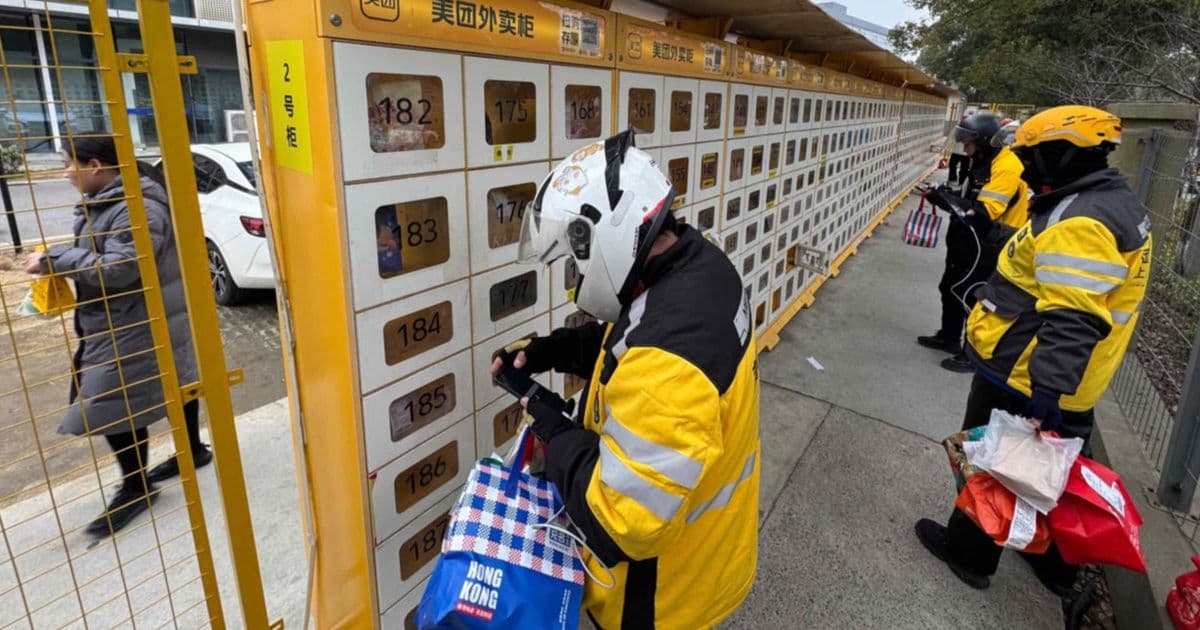
China's instant delivery services are transforming consumer behavior, with platforms like Meituan offering 30-minute delivery for everything from birthday gifts to date-night essentials.
China's instant delivery ecosystem is fundamentally reshaping how consumers shop, with platforms like Meituan offering 30-minute delivery windows that have become essential for last-minute purchases and spontaneous needs. The transformation represents a significant shift in retail behavior, particularly among urban consumers who now expect immediate gratification for a wide range of products.
The Rise of Instant Delivery Culture
The phenomenon extends far beyond traditional food delivery. Chinese consumers are increasingly using instant delivery services for non-food items including birthday presents, cosmetics, and personal care products. A telling example from Dalian illustrates this perfectly: a woman heading to dinner with friends received a last-minute reminder about a friend's birthday through a group chat, prompting an immediate order through an instant delivery platform.
This shift reflects broader changes in Chinese consumer behavior, where convenience and speed have become paramount shopping criteria. The instant delivery model has created a new category of "emergency shopping" that didn't exist in traditional retail paradigms.
Market Competition and Economic Impact
The instant delivery sector has become fiercely competitive, with major players like Meituan, Ele.me, and others engaging in aggressive pricing strategies. This competition has led to significant financial pressure on delivery platforms. Meituan, for instance, recently reported a 97% drop in profits, largely attributed to the food delivery discount war that has spilled over into instant delivery services.
Despite these financial challenges, the market continues to expand. The success of instant delivery services has attracted investment and innovation, with companies developing sophisticated logistics networks and smart locker systems to optimize delivery efficiency.
Technology and Infrastructure
Behind the seamless consumer experience lies a complex technological infrastructure. Special lockers strategically placed throughout cities serve as temporary storage points for delivery personnel, enabling faster response times and more efficient routing. These lockers represent a physical manifestation of the digital-first approach that characterizes China's instant delivery ecosystem.
The technology stack supporting these services includes advanced AI for demand prediction, route optimization algorithms, and real-time inventory management systems. This infrastructure enables platforms to promise and deliver on the 30-minute delivery window that has become the industry standard.
Consumer Behavior Transformation
Instant delivery services have created new shopping patterns and expectations. Consumers now plan their purchases differently, knowing they can rely on immediate delivery for last-minute needs. This has implications for traditional retail, as brick-and-mortar stores must compete with the convenience and speed of instant delivery platforms. The services have also enabled new forms of social interaction and gift-giving. The ability to send a birthday present or date-night essentials within 30 minutes has created new social norms around gift-giving and spontaneous gestures.
Future Implications
As instant delivery becomes more deeply embedded in Chinese consumer culture, several trends are likely to emerge. First, the range of products available for instant delivery will continue to expand, potentially encompassing even more categories of goods. Second, the technology will become more sophisticated, with AI-driven personalization and predictive ordering becoming standard features.
The success of instant delivery in China may also influence retail models in other markets, as international companies observe and potentially adapt these innovations for different consumer contexts.
Economic and Social Considerations
The instant delivery revolution raises important questions about labor practices, urban planning, and environmental impact. The intense competition has led to concerns about delivery worker conditions, while the proliferation of delivery vehicles has implications for urban congestion and emissions.
However, the convenience and efficiency gains for consumers are undeniable. As the sector matures, finding the right balance between growth, profitability, and social responsibility will be crucial for long-term sustainability.
Conclusion
China's instant delivery services represent more than just a technological innovation – they signify a fundamental shift in consumer expectations and retail dynamics. The ability to receive virtually any product within 30 minutes has created a new standard for convenience that is likely to shape retail for years to come.
As platforms continue to refine their services and expand their offerings, the instant delivery model may well become the dominant form of retail in urban China, with implications that extend far beyond the country's borders.
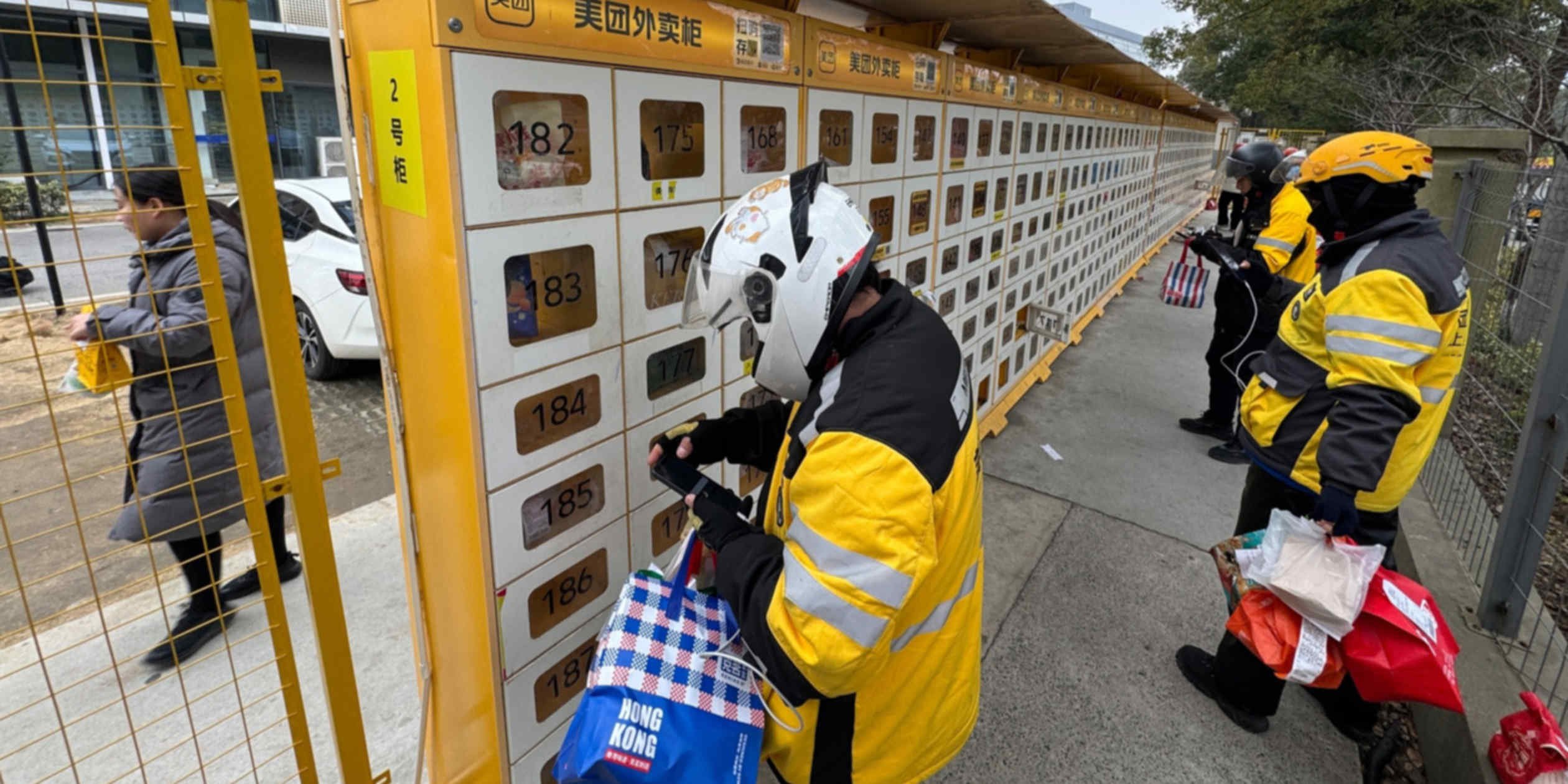
Featured image: Special lockers hold items for Meituan personnel to deliver. (Photo by Kohei Fujimura)
Comments
Please log in or register to join the discussion