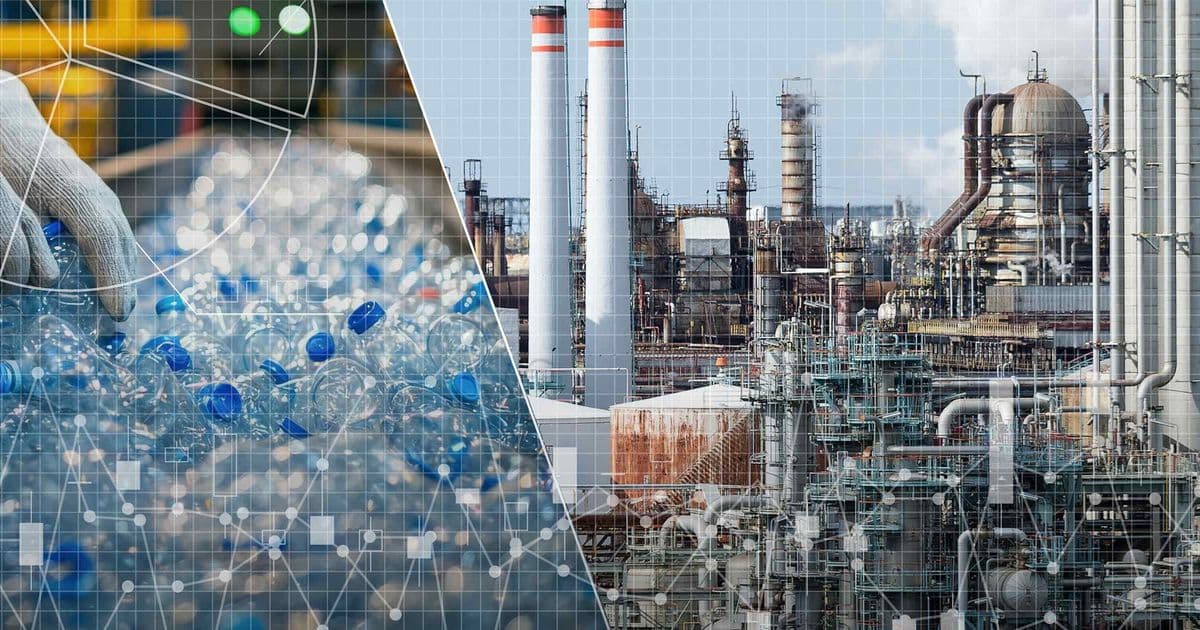
Less than 10% of global plastic production is recycled annually, with most ending up burned or in landfills, as environmental concerns mount over petrochemical materials' impact on climate and ecosystems.
Despite mounting concerns about the environmental impact, little progress has been made in recycling plastics, with less than 10% of annual production successfully recycled worldwide. The majority ends up burned or in landfills. Unrestrained use of these petrochemical materials adds fuel to global warming and adversely affects ecosystems and human health.
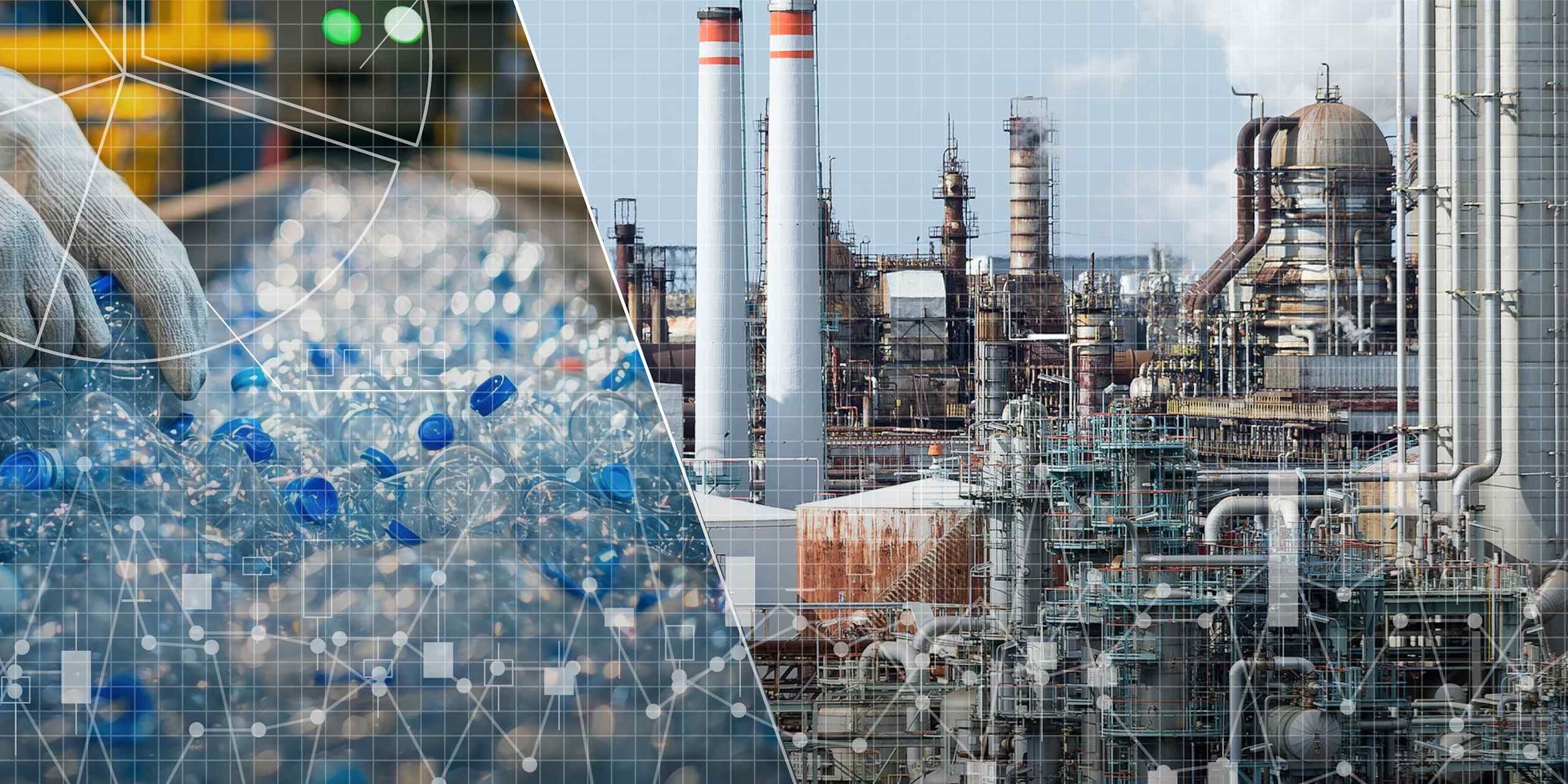
The stark reality of global plastic recycling reveals a system in crisis. While consumers increasingly sort their waste and environmental awareness grows, the infrastructure and economics of plastic recycling have failed to keep pace. The petrochemical industry continues to produce record volumes of plastic, yet the recycling rate remains stubbornly below 10%, creating a mounting environmental catastrophe.
The Scale of the Problem
Global plastic production has exploded over the past decades, reaching hundreds of millions of tons annually. Yet the recycling infrastructure has not scaled proportionally. Most plastic waste ends up in one of three places: landfills, incinerators, or the environment. Only a small fraction makes it through the complex recycling process to become new products.
The economics of plastic recycling remain challenging. Virgin plastic, made from petroleum, is often cheaper to produce than recycled plastic, especially when oil prices are low. The quality of recycled plastic also tends to be lower, limiting its applications. These factors create a market that disincentivizes recycling investment.
Environmental and Health Impacts
The consequences of this recycling failure extend far beyond waste management. Plastics are derived from fossil fuels, and their production and disposal contribute significantly to greenhouse gas emissions. When plastics break down in the environment, they release microplastics that have been found in human bloodstreams, organs, and even placentas.
Marine ecosystems bear a particularly heavy burden. Plastic waste in oceans breaks down into microplastics that enter the food chain, affecting everything from plankton to whales. The Great Pacific Garbage Patch, a massive collection of plastic debris in the Pacific Ocean, has become a symbol of this crisis.
Regional Variations and Efforts
While the global average remains below 10%, some regions have achieved higher recycling rates through aggressive policies and infrastructure investment. The European Union has implemented strict recycling mandates and packaging regulations, achieving rates above 40% for certain plastic types. Japan has developed sophisticated waste sorting and recycling systems, though challenges remain.
In Asia, where much of the world's plastic waste originates and ends up, the picture is more complex. Countries like Japan are pushing for better recycling technologies and policies, while others struggle with basic waste management infrastructure. The recent announcement of perovskite solar technology developments by Chinese companies like CATL and BYD suggests potential for new recycling technologies, though their application to plastics remains uncertain.
The Path Forward
Addressing the plastic recycling crisis requires action on multiple fronts. Policy interventions, such as extended producer responsibility laws and plastic taxes, can shift the economics toward recycling. Investment in recycling infrastructure and technology is crucial, particularly for developing better methods to handle the diverse types of plastic in use.
Consumer behavior changes, while important, cannot solve the problem alone. The complexity of plastic recycling means that even well-intentioned consumers often cannot properly recycle their waste. Clear labeling, improved collection systems, and education are all necessary components.
The recent focus on e-waste management by companies like Itochu in Japan suggests one potential model. By creating value chains for recycling rare earth elements from electronics, similar approaches could be developed for plastics. The key is creating economic incentives that align with environmental goals.
The fact that global plastic recycling remains below 10% despite decades of awareness and effort is a sobering reminder of the scale of environmental challenges we face. It suggests that incremental improvements are insufficient and that more fundamental changes to how we produce, use, and dispose of plastics are necessary. The environmental clock is ticking, and the plastic waste crisis demands urgent, comprehensive action.
Comments
Please log in or register to join the discussion