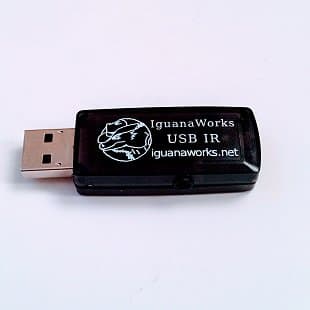
Iguanaworks' USB IR Transceiver once bridged the gap between computers and home electronics, but its journey from innovative solution to discontinued product reveals the challenges of niche hardware in a changing tech landscape.
The USB IR Transceiver from Iguanaworks represented an ambitious attempt to bring infrared communication capabilities to personal computers. At a time when home automation and media center PCs were gaining traction, this device promised to bridge the gap between traditional remote-controlled electronics and the digital world of computers.
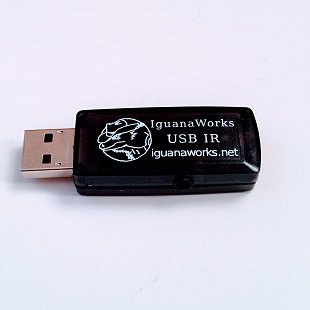
The hardware itself was elegantly simple in concept but technically sophisticated in execution. By plugging into a standard USB port, the transceiver could both send and receive infrared signals, effectively turning any computer into a universal remote control. This capability opened up fascinating possibilities - imagine controlling your TV, stereo, or DVD player directly from your computer, or having your computer respond to traditional remote controls.
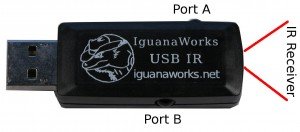
What made the Iguanaworks solution particularly interesting was its flexibility. The device came in three variations, each designed for different use cases. The Dual Socket version offered four independent IR sending channels through two stereo 3.5mm jacks, while the Socket Receive version combined transmission and reception capabilities in a single unit. This modular approach allowed users to customize their setup based on their specific needs.
The technical specifications were impressive for the time. The transceiver could handle standard 38kHz IR signals used by most remote controls, transmit IR codes at frequencies ranging from 25 to 125 kHz, and maintain a 10-foot transmission range with a 50-degree cone angle. Compatibility with both Linux and Windows operating systems, along with support for popular software like LIRC and WinLIRC, made it accessible to a broad audience.
However, the story of Iguanaworks and their USB IR Transceiver also serves as a cautionary tale about the challenges facing niche hardware manufacturers. Despite the innovative nature of the product and its practical applications, the company eventually went out of business. This outcome raises interesting questions about the sustainability of specialized hardware solutions in an era increasingly dominated by software-based alternatives and integrated smart home ecosystems.
The discontinuation of the product line left users in a difficult position. While the hardware continued to function, the lack of ongoing support and development meant that users were essentially stuck with whatever capabilities the final versions offered. The absence of MAC OS X support, despite an unsupported community project, further limited the device's appeal in an increasingly Apple-centric world.
Looking back, the USB IR Transceiver arrived at an interesting technological inflection point. Home automation was becoming more mainstream, but the ecosystem was still fragmented. Devices like the Iguanaworks transceiver offered a way to integrate existing IR-controlled devices with emerging computer-based control systems. However, as smart home technology evolved and manufacturers began building wireless connectivity directly into their products, the need for such intermediary devices diminished.
The legacy of Iguanaworks' USB IR Transceiver lives on in the open-source community. The GPL-licensed software that accompanied the hardware continues to be available, and the principles behind the device - making computers more capable of interacting with the physical world - remain relevant. Modern equivalents might use different technologies like Bluetooth or Wi-Fi, but the fundamental goal of seamless device integration persists.
For those who invested in the technology during its heyday, the USB IR Transceiver represented a clever solution to a real problem. It allowed for sophisticated home theater setups, automated lighting control, and creative DIY projects that would have been difficult or impossible otherwise. The fact that the hardware was compatible with both major operating systems and popular media center software like MythTV made it particularly valuable for enthusiasts.
The story of Iguanaworks also highlights the importance of ecosystem support in the success or failure of hardware products. While the transceiver itself was well-designed and functional, the company's inability to maintain long-term viability meant that the ecosystem around the product eventually withered. This serves as a reminder that even excellent hardware needs sustainable business models and ongoing support to thrive in the long term.
Today, as we look at the current landscape of smart home devices and computer peripherals, the USB IR Transceiver stands as an interesting historical artifact. It represents a time when bridging the gap between traditional electronics and computers required dedicated hardware solutions, before the rise of integrated smart devices and universal connectivity standards. While the specific technology may be obsolete, the vision of seamless device integration that drove its creation remains as relevant as ever.
Comments
Please log in or register to join the discussion