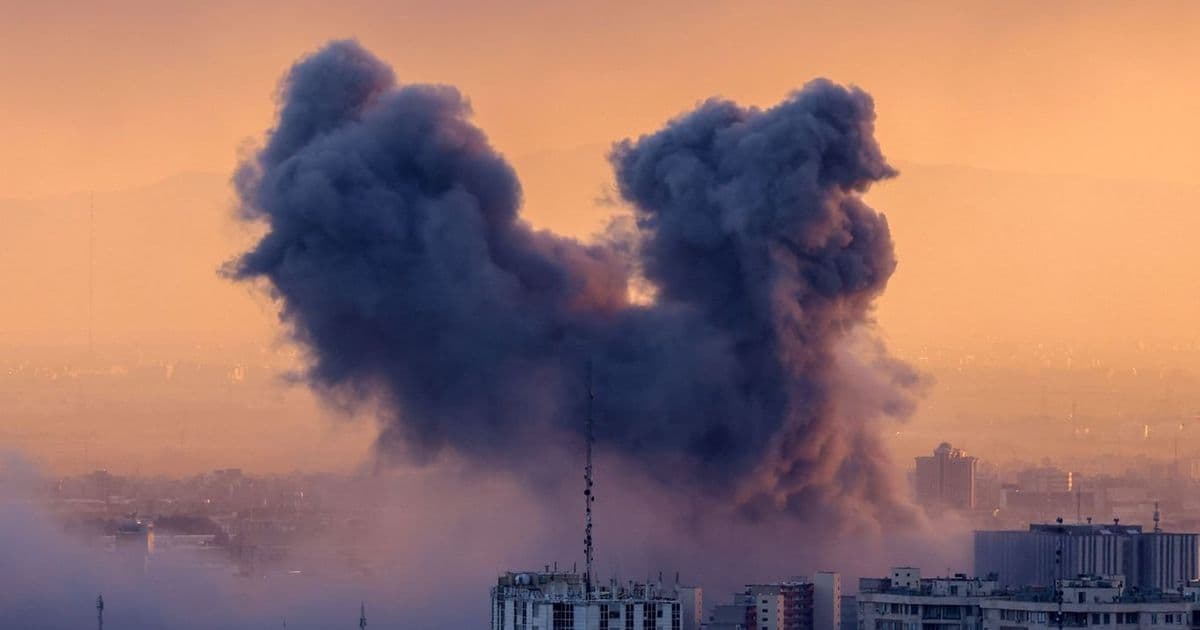
Crude oil prices surge past $100 per barrel as military strikes on Tehran trigger supply fears and market volatility.
Oil prices surged past $100 per barrel on Monday, hitting their highest level in months as escalating military strikes on Tehran triggered fresh supply concerns across global energy markets.
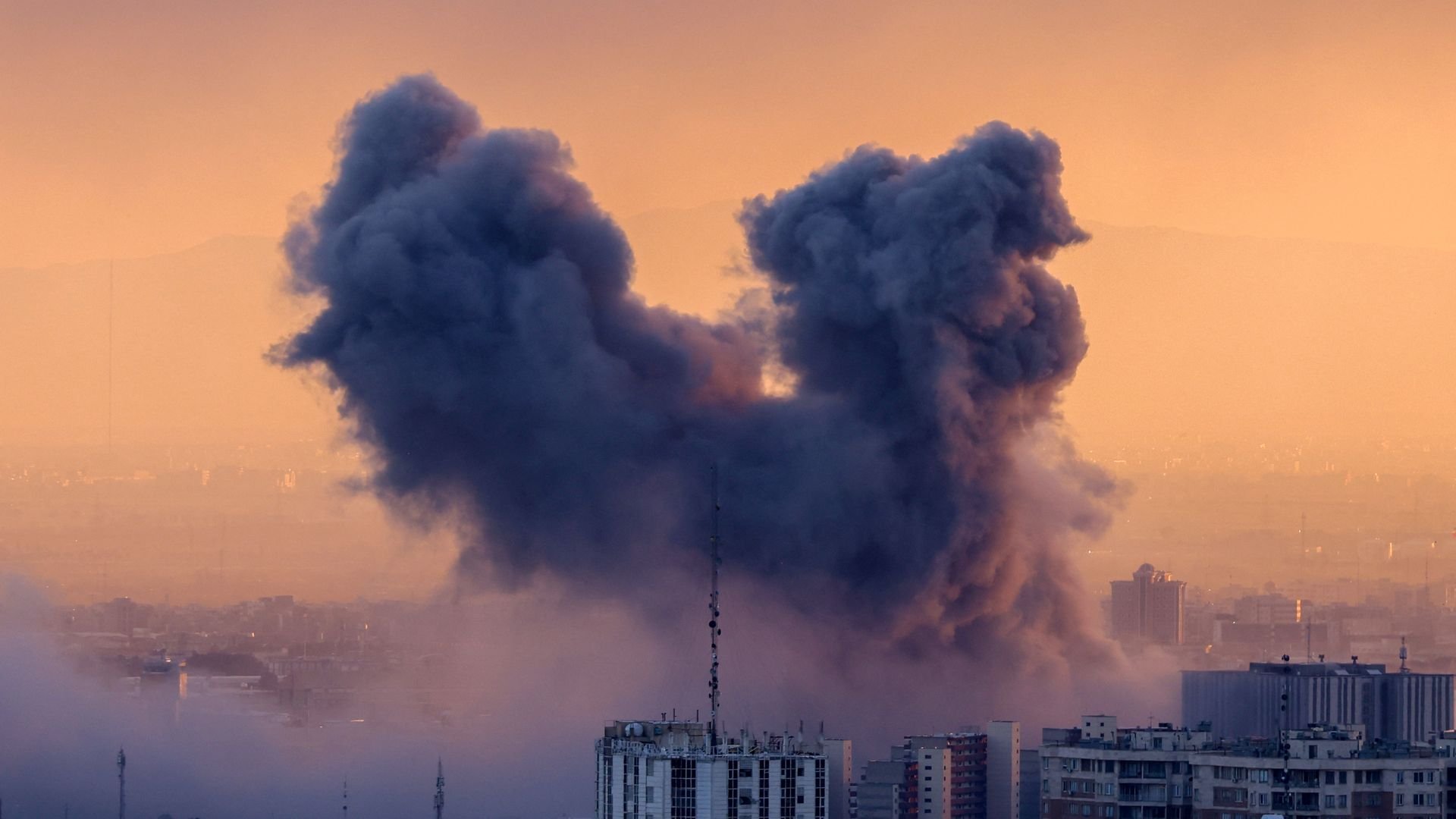
Brent crude futures climbed 3.5% to $102.40 per barrel, while West Texas Intermediate futures rose 3.8% to $98.70, according to data from the New York Mercantile Exchange. The price spike came after reports of coordinated airstrikes targeting Iran's oil infrastructure and military installations in the capital.
Energy analysts say the market is pricing in the risk of disrupted Iranian oil exports, which typically account for about 3% of global supply. "Any significant reduction in Iranian crude flowing to international markets creates immediate upward pressure on prices," said Sarah Chen, senior energy analyst at Global Markets Research.
The conflict's impact extends beyond immediate price movements. Shipping routes through the Strait of Hormuz, which handles roughly 20% of global oil trade, face potential disruption. Insurance costs for vessels in the region have already jumped 15-20%, according to maritime industry sources.
Major oil companies are reassessing their operations in the Middle East. Shell announced it's evacuating non-essential personnel from its facilities in the UAE, while BP is reviewing its supply chain logistics. "We're seeing a flight to safety among energy traders," noted Michael Torres, commodities strategist at Capital Insights.
Gasoline prices in the U.S. could rise by 15-25 cents per gallon in the coming weeks if the conflict intensifies, analysts predict. European markets, already dealing with energy price volatility from the Ukraine conflict, face additional pressure on natural gas prices as oil-linked contracts adjust.
The International Energy Agency is monitoring the situation closely, with emergency supply coordination mechanisms ready to activate if needed. OPEC members are reportedly in discussions about potential production increases to offset any supply gaps.
Market volatility is expected to continue as the conflict's trajectory remains uncertain. Energy traders are particularly focused on whether the strikes represent a limited operation or the beginning of a broader military campaign that could fundamentally reshape Middle East oil production dynamics.
Comments
Please log in or register to join the discussion