UpsideLab’s Enthusiast delivers a modular, model‑agnostic AI platform that plugs directly into Shopify, Medusa, and other major e‑commerce stacks. With native connectors, pre‑built agents, and full on‑prem or cloud deployment options, retailers can scale AI‑powered search, catalog enrichment, and order processing while keeping data under their control.
Enthusiast: A Plug‑and‑Play AI Toolkit for E‑Commerce
In a market crowded with proprietary AI solutions, UpsideLab’s Enthusiast offers a rare combination of open‑source freedom, model‑agnostic flexibility, and deep e‑commerce integration. Built on Python (Django), React, and LangChain, the toolkit ships with ready‑made agents for product search, catalog enrichment, support Q&A, and order processing—all of which can be extended without forking the core.
Model‑agnostic Architecture
One of the toolkit’s core claims is that it can run on any LLM provider. Whether a retailer is bound to OpenAI, Azure, Gemini, Mistral, or a local Ollama instance, swapping models is a matter of updating a configuration file. This eliminates vendor lock‑in and allows teams to experiment with emerging models without rewriting business logic.
Native E‑Commerce Connectors
Enthusiast ships with out‑of‑the‑box connectors for Shopify, Shopware, Medusa.JS, and Solidus. The connectors automatically sync product catalogs, content, and documentation, freeing developers from writing custom integration code.
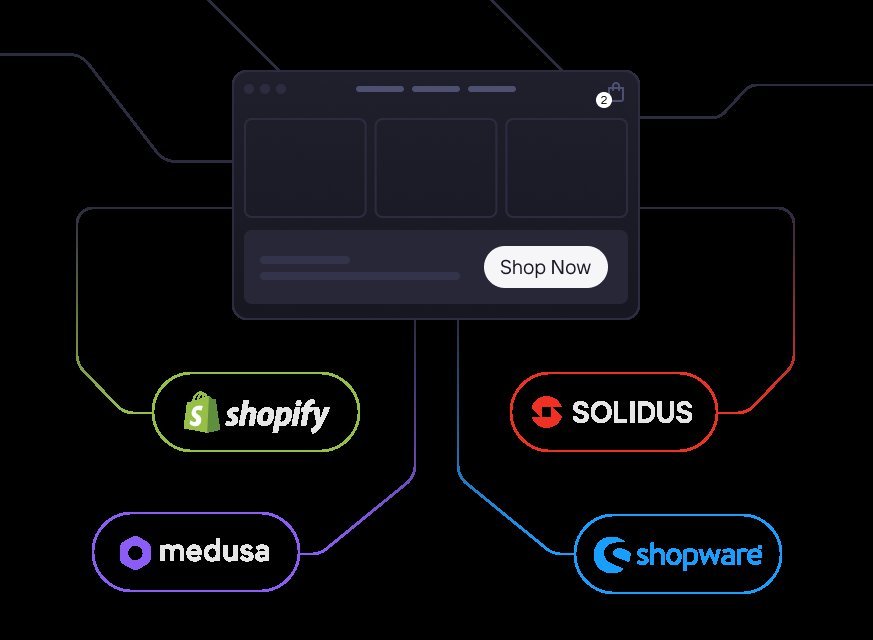
For teams that rely on legacy systems—ERP, CRM, or custom databases—custom Python plugins can bridge the gap. The platform’s architecture is intentionally modular so that adding a new connector only requires a small plugin, not a full rewrite.
Deployment Flexibility
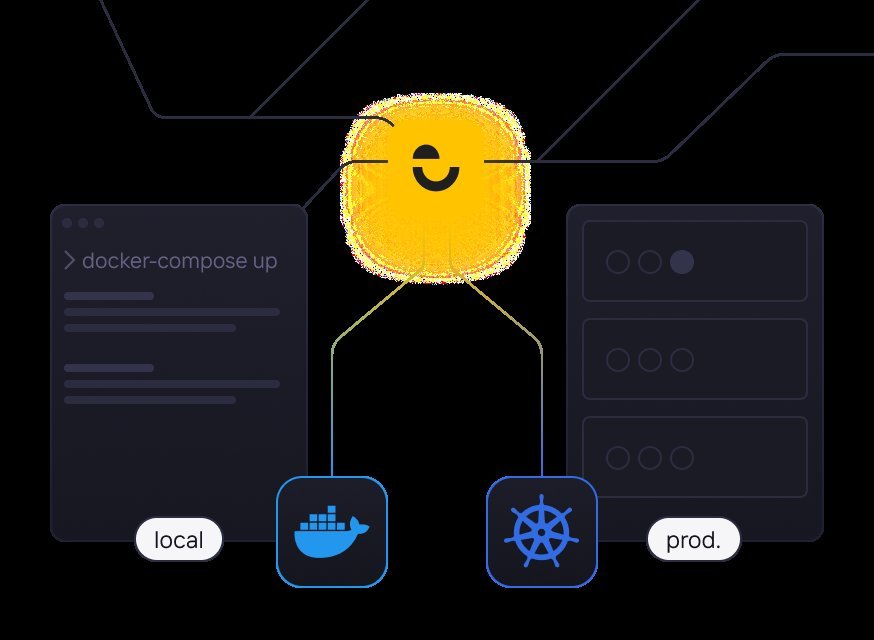
The toolkit supports both rapid prototyping and production‑grade scaling:
- Docker Compose for local, isolated runs.
- Kubernetes for high‑availability, cloud‑native deployments.
- On‑premises setups that keep all data inside a company’s own network.
This flexibility is crucial for compliance‑heavy industries that must keep customer data on‑prem or within a specific jurisdiction.
Pre‑Built Agents and Extensibility
Enthusiast includes agents for:
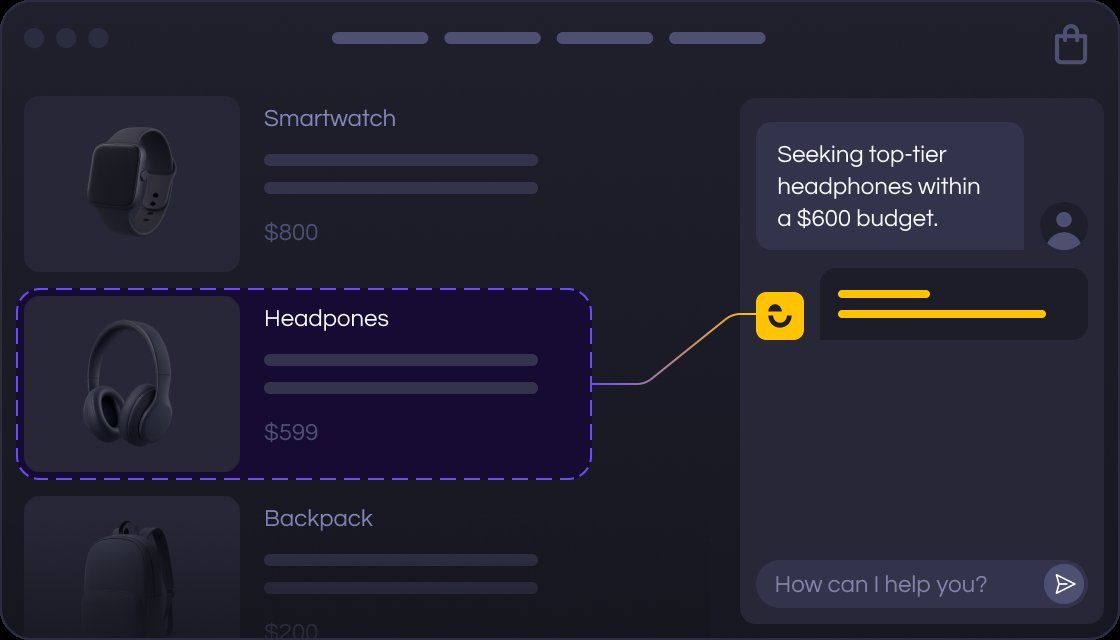
- Natural‑language product search that retrieves verifiable results from an indexed catalog.
- User manual search powered by retrieval‑augmented generation to answer technical queries.
- OCR‑to‑Order that converts scanned invoices into structured orders with validation against the catalog.
- Catalog enrichment that generates product descriptions, attributes, or translations, followed by validation agents to ensure factual accuracy.
Developers can extend these agents with custom Python plugins or LangChain tools. Because the core logic remains untouched, teams can experiment and iterate rapidly.
Transparency and Control
All workflows are grounded in the retailer’s own data. Retrieval‑augmented generation keeps responses anchored to the catalog or documentation, while validation agents enforce business rules. The platform also integrates with LangSmith for execution tracing, enabling teams to audit prompts and refine agent behavior.
Security, Compliance, and Open‑Source Promise
Running on a company’s own infrastructure means sensitive data never leaves the premises. Enthusiast supports GDPR and PCI DSS compliance and can be integrated with existing authentication, logging, and monitoring stacks. UpsideLab has committed to keeping the core toolkit open source under a permissive license, ensuring long‑term community ownership.
Enterprise Support
While the toolkit is free, UpsideLab offers consulting services for advanced use cases, large‑scale deployments, and bespoke agent development. These services help technical leaders guarantee delivery, scalability, and compliance.
Why It Matters
E‑commerce leaders face mounting pressure to deliver personalized experiences at scale. Enthusiast’s plug‑and‑play model, coupled with its deep integration ecosystem, lowers the barrier to AI adoption while preserving data sovereignty. By decoupling AI logic from proprietary platforms, retailers can experiment with new models, maintain compliance, and keep costs predictable.
Source: UpsideLab – Enthusiast Toolkit Documentation
Comments
Please log in or register to join the discussion