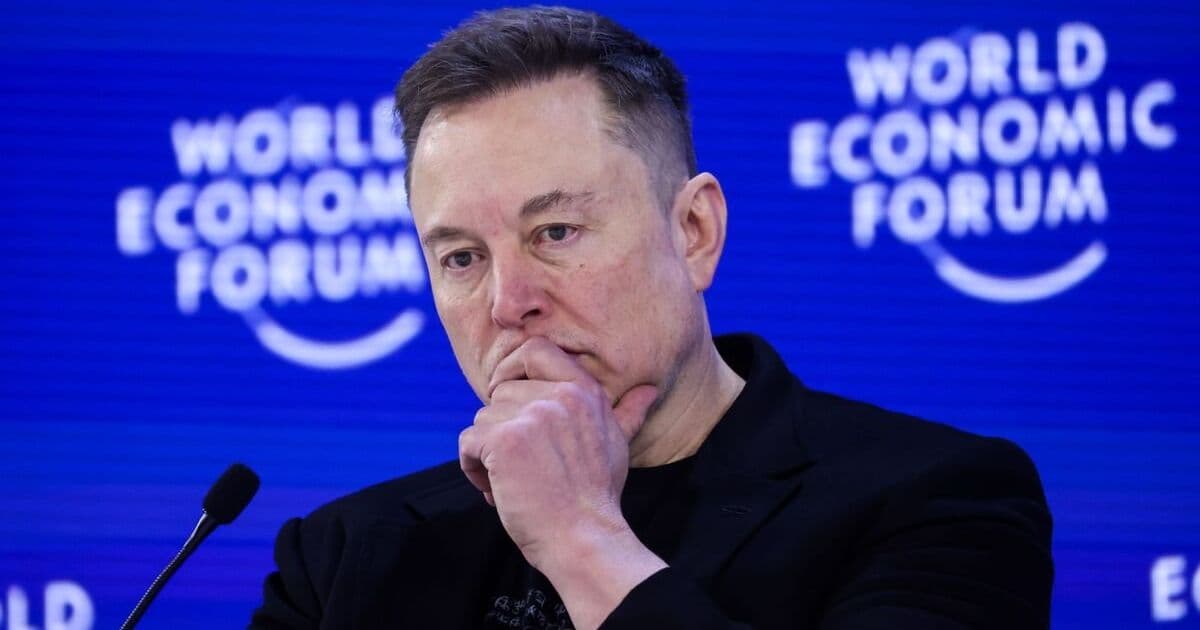
OpenAI has characterized Elon Musk's recent amendments to his lawsuit against the company as a 'legal ambush,' claiming they are 'legally improper and factually unsupported.' The response comes as the legal battle between the former OpenAI founder and the AI company he helped establish continues to escalate.
OpenAI has filed a court response to Elon Musk's amended lawsuit, describing the revisions as a "legal ambush" that is "legally improper and factually unsupported." The company's legal team argues that Musk has suddenly changed direction on what he's seeking in his lawsuit against the startup he co-founded in 2015.
The original lawsuit, filed in 2025, accused OpenAI of abandoning its original mission to develop artificial intelligence that benefits humanity and instead prioritizing profit. Musk alleged that the company's shift to a capped-profit model violated its founding principles.
In the amended complaint, Musk reportedly expanded his claims to include allegations that OpenAI executives misled investors and engaged in deceptive practices regarding the development and capabilities of their AI models. OpenAI's response argues that these new allegations were introduced without proper notice or opportunity for response, constituting a legal ambush.
"The amendments represent a fundamental departure from the original claims and introduce entirely new theories of liability," OpenAI's legal team stated in their court filing. "This tactical maneuver prejudices OpenAI's ability to prepare a defense and violates established legal procedures."
Legal experts suggest that Musk's strategy may be an attempt to pressure OpenAI into a settlement. "By expanding the scope of the lawsuit, Musk increases the potential liability and creates more leverage in settlement negotiations," explained Sarah Chen, a technology law professor at Stanford University. "However, courts generally frown on such last-minute amendments without compelling justification."
The legal battle has significant implications for the AI industry. OpenAI has emerged as a leader in generative AI with products like ChatGPT, while Musk has established his own AI venture, xAI, which developed the Grok chatbot. The outcome could influence how AI companies structure their governance and balance profit motives with their stated missions.
OpenAI's response also addresses some of Musk's original claims, arguing that the company's transition to a capped-profit model was necessary to secure the significant computing resources required for advanced AI development. "The resources needed to train state-of-the-art models require substantial capital investment that cannot be sustained by a nonprofit structure," the company stated.
The case is expected to proceed with discovery, where both sides will exchange evidence and depositions. Legal observers note that the dispute may ultimately hinge on contractual interpretations and the specific language in OpenAI's founding documents.
This legal battle comes amid increasing scrutiny of AI companies' governance structures and their adherence to their stated missions. As AI systems become more powerful and influential, courts may be called upon to interpret the responsibilities of companies developing these technologies.
For those following the case, OpenAI's full response can be found in the court filing here, while Musk's amended complaint is available through the court's electronic filing system.
Comments
Please log in or register to join the discussion