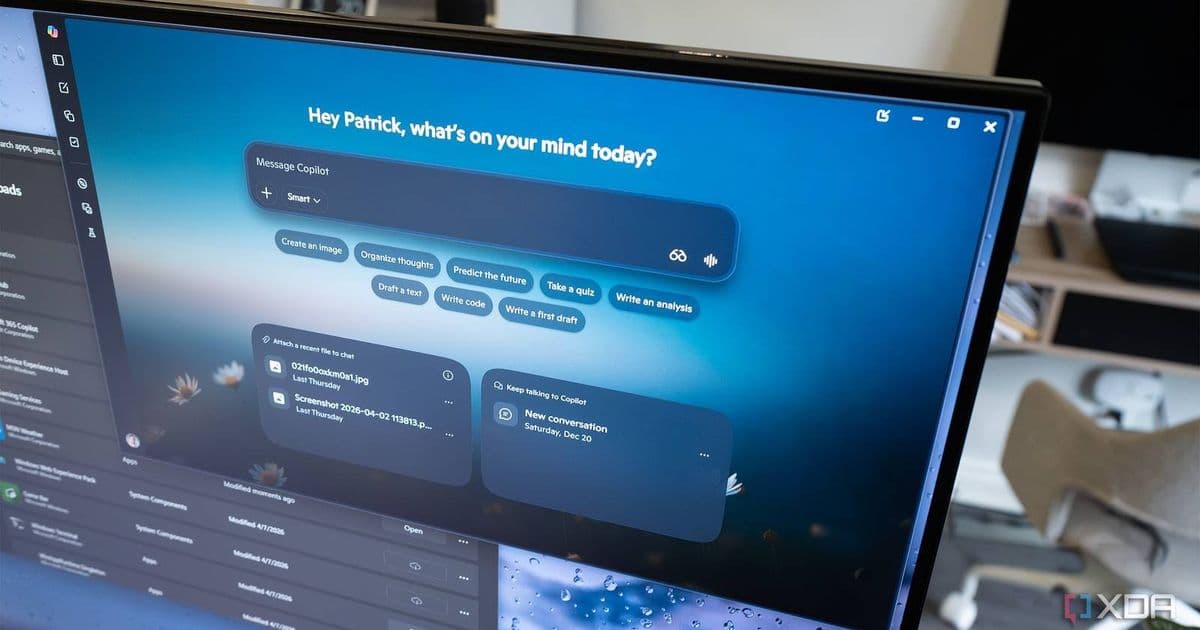
Microsoft is removing the Copilot button from Windows 11 keyboards, signaling a shift in its AI strategy and raising questions about the future of built-in AI assistants.
Microsoft is beginning to remove the Copilot button from Windows 11 keyboards, marking a significant shift in the company's AI strategy. The move comes as Microsoft re-evaluates its approach to integrating artificial intelligence directly into the Windows operating system and hardware ecosystem.
The Copilot Button's Brief History
The dedicated Copilot button was introduced with Windows 11 in late 2023 as Microsoft's flagship AI assistant feature. Positioned prominently on new keyboards, the button provided one-touch access to Microsoft's AI-powered assistant, designed to help users with tasks ranging from document creation to system queries. The feature represented Microsoft's aggressive push into the AI assistant space, competing directly with established players like Apple's Siri and Google Assistant.
Why the Change?
Several factors appear to be driving Microsoft's decision to remove the Copilot button:
User Adoption Patterns: Early telemetry data suggests that many users weren't regularly utilizing the dedicated button, preferring to access AI features through existing interfaces or not using them at all. The button's placement and functionality may not have aligned with established user habits.
Hardware Partner Feedback: Major PC manufacturers have reportedly expressed concerns about the additional cost and complexity of including the dedicated button, especially when its usage metrics didn't justify the expense.
Strategic Realignment: Microsoft appears to be shifting toward a more integrated approach to AI, potentially embedding Copilot functionality more deeply into the operating system rather than relying on a dedicated hardware button.
Impact on Users and Developers
For current Windows 11 users with Copilot buttons, the change means that future keyboard purchases won't include this feature. However, existing keyboards will continue to function normally, and Copilot remains accessible through other means within Windows 11.
Developers who built applications or features specifically around the Copilot button may need to adjust their strategies. The shift suggests that Microsoft is moving toward more flexible AI integration methods that don't rely on dedicated hardware controls.
The Broader AI Assistant Landscape
Microsoft's decision reflects the evolving nature of AI assistant technology. The company seems to be acknowledging that successful AI integration requires more nuanced approaches than simple hardware buttons. This could signal a move toward more contextual, intelligent AI that anticipates user needs rather than requiring explicit activation.
Competitors are watching closely. Apple and Google have taken different approaches to AI integration, focusing on system-wide intelligence rather than dedicated assistant buttons. Microsoft's pivot might indicate that the dedicated button approach wasn't the optimal path forward.
What's Next for Windows AI?
Industry analysts speculate that Microsoft may be preparing to introduce more sophisticated AI features that don't require dedicated hardware. The company has been investing heavily in AI research and development, and this change could be paving the way for more advanced capabilities.
Potential future directions include:
- More deeply integrated AI that works across applications seamlessly
- Context-aware assistance that doesn't require explicit activation
- Enhanced natural language processing capabilities built into the OS
- AI features that adapt to individual user patterns and preferences
Timeline and Rollout
The removal of the Copilot button is already underway, with major PC manufacturers beginning to ship keyboards without the dedicated button. Microsoft hasn't announced an official end date for Copilot button production, but industry sources suggest the transition will be complete by the end of 2026.
Existing Windows 11 users won't see immediate changes, but the shift will become apparent when purchasing new devices or replacement keyboards. Microsoft has stated that Copilot functionality will remain available through software interfaces, ensuring that users who find value in the AI assistant can continue to access it.
Conclusion
Microsoft's decision to remove the Copilot button represents a significant course correction in its AI strategy. Rather than doubling down on a hardware-centric approach, the company appears to be pivoting toward more integrated, software-based AI solutions. This move could ultimately lead to more sophisticated and useful AI features for Windows users, even if it means saying goodbye to the dedicated Copilot button.
The change also highlights the challenges tech companies face when introducing new hardware features based on emerging technologies. What seemed like a natural evolution of the keyboard interface may have been ahead of user readiness or practical implementation considerations.
As Microsoft continues to evolve its AI strategy, users and developers alike will be watching to see what comes next in the company's vision for intelligent computing on the Windows platform.
Comments
Please log in or register to join the discussion