
Leading AI companies provided classified briefings to congressional lawmakers on potential national security threats from advanced language models, marking a significant moment in the intersection of artificial intelligence and cybersecurity policy.
OpenAI and Anthropic executives met privately with the House Homeland Security Committee this week to discuss emerging cybersecurity threats posed by advanced artificial intelligence systems. The closed-door session, led by Committee Chair Andrew Garbarino, represents a critical juncture in how policymakers and AI developers collaborate on national security concerns.
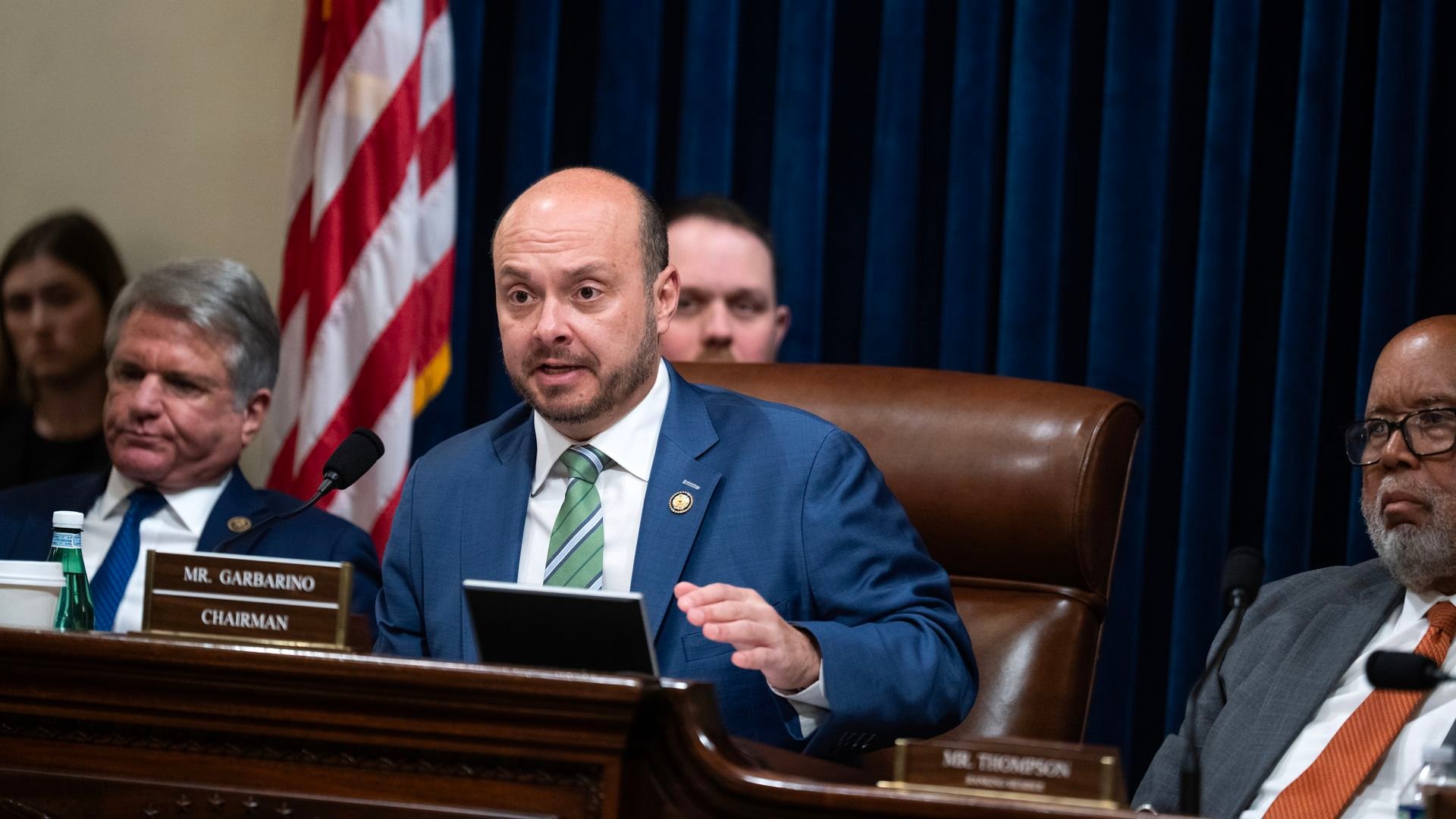
The briefing comes as AI capabilities continue to advance at an unprecedented pace, with language models demonstrating increasingly sophisticated abilities to generate convincing phishing emails, discover software vulnerabilities, and potentially bypass traditional security measures. According to sources familiar with the discussions, both companies presented specific scenarios where their technologies could be weaponized by malicious actors.
"We're seeing AI systems that can identify zero-day vulnerabilities in software faster than human researchers, craft personalized phishing messages with near-perfect grammar and context awareness, and even generate code that can exploit these vulnerabilities," explained one congressional aide who attended the briefing. "The sophistication of these attacks is increasing exponentially."
OpenAI, developer of ChatGPT and other AI systems, outlined their internal safeguards and research into AI alignment and safety. The company recently published research on AI-powered cybersecurity that demonstrates both defensive applications and potential risks. Anthropic, known for its Claude AI assistant, presented their constitutional AI approach as a method for ensuring safer AI deployment.
Financial implications of AI-driven cyber threats extend far beyond immediate security concerns. The global cybersecurity market, valued at approximately $173.5 billion in 2022, faces significant disruption as AI both creates new threats and provides defensive capabilities. IBM estimates that the average cost of a data breach reached $4.45 million in 2023, with AI-powered attacks potentially increasing this figure substantially.
"What we're witnessing is a paradigm shift in cybersecurity," said cybersecurity analyst Dr. Sarah Jenkins. "Traditional defense mechanisms, built around predictable attack patterns, are becoming obsolete. We need entirely new approaches to security that can adapt to AI-generated threats in real-time."
The briefing follows several high-profile incidents where AI systems have been used in cyber operations. In 2023, researchers demonstrated how language models could successfully craft spear-phishing emails with a 94% success rate in bypassing initial security filters. Additionally, AI-powered malware detection systems have shown both promise and limitations, with some solutions achieving 98% accuracy on known threats but struggling with novel attack vectors.
Industry executives emphasized the need for balanced regulation that doesn't stifle innovation while addressing legitimate security concerns. "We welcome thoughtful oversight that helps ensure these powerful technologies are developed responsibly," said OpenAI's policy lead in a statement following the meeting. "The alternative—unregulated development with no safety considerations—poses far greater risks."
The House Homeland Security Committee has indicated plans to hold additional hearings on AI and cybersecurity, potentially calling on additional AI developers and security experts. Lawmakers are particularly interested in understanding how AI systems might be used in election security, critical infrastructure protection, and national defense scenarios.
From a business perspective, the briefing reflects a growing recognition among AI companies that proactive engagement with policymakers is essential. Companies that fail to demonstrate responsible development practices may face stricter regulations, while those that collaborate effectively could shape the regulatory landscape to their advantage.
"This isn't just about preventing misuse—it's about establishing trust," commented tech industry analyst Michael Chen. "As AI becomes increasingly integrated into critical systems, companies that can demonstrate they understand and mitigate security risks will have a significant competitive advantage."
The meeting also highlighted the geopolitical dimension of AI cybersecurity, with lawmakers expressing concerns about potential state-sponsored AI weapons development. Both U.S. and Chinese AI capabilities have advanced rapidly, raising questions about how international norms and treaties might address AI-powered cyber warfare.
Looking forward, the intersection of AI and cybersecurity will likely drive significant investment in defensive technologies. Market analysts project that AI-powered cybersecurity solutions will grow at a compound annual rate of 23.6% through 2030, reaching approximately $46.3 billion in market value. This growth will be concentrated in areas like threat detection, automated incident response, and vulnerability assessment.
As AI systems continue to evolve, the collaboration between developers and policymakers demonstrated in this briefing may become a model for addressing emerging technology challenges. The success of these efforts will likely determine how society benefits from AI advances while minimizing potential harms in an increasingly digital world.
Comments
Please log in or register to join the discussion