
A collaborative effort to catalog AI-contaminated open source software was forced offline after harassment, but community forks preserve the documentation effort amid growing criticism of LLM-generated code.
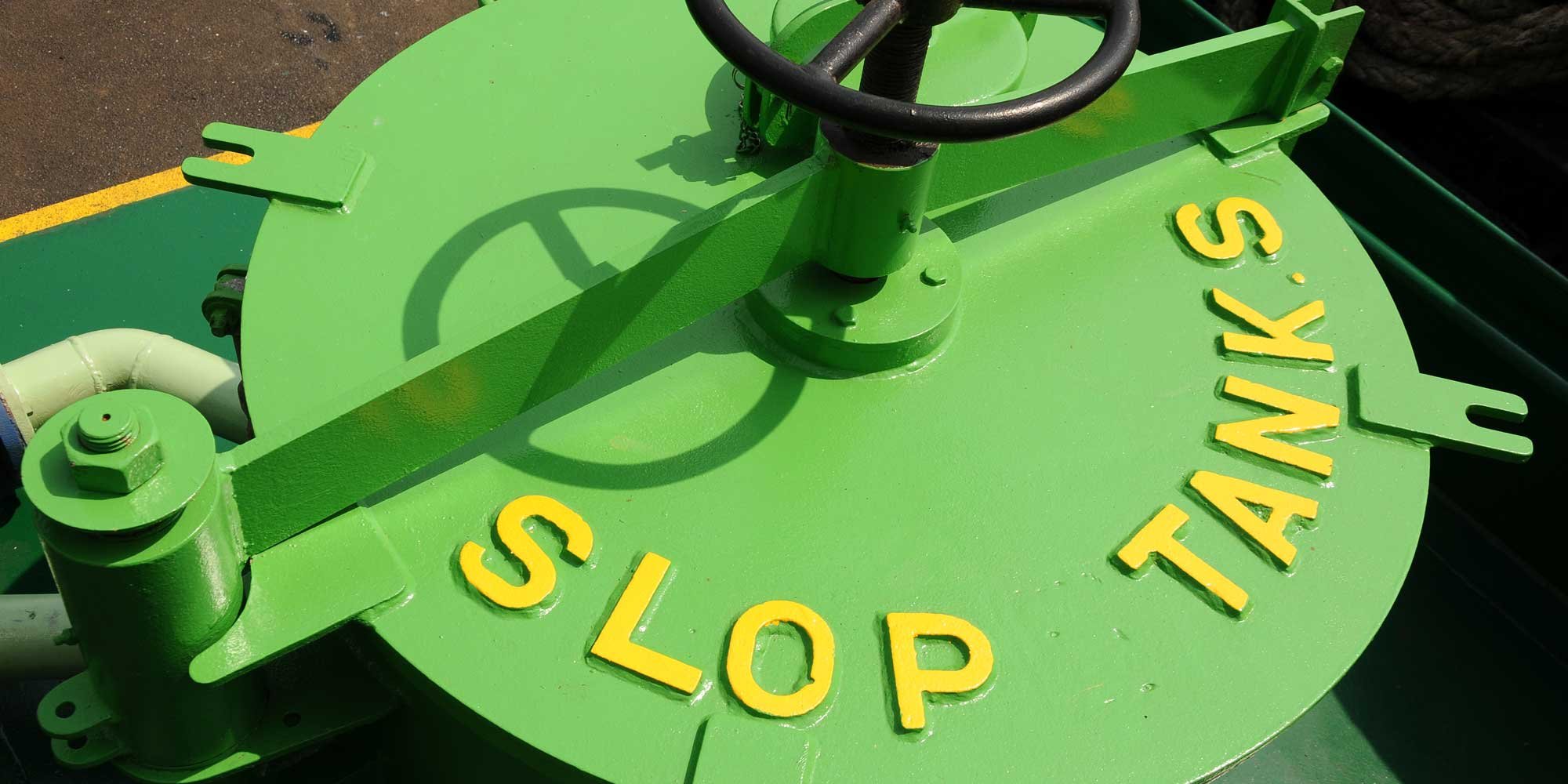
The OpenSlopware project emerged as a grassroots initiative to document free and open source software (FOSS) projects incorporating AI-generated code. Hosted on Codeberg, the repository listed projects using LLM bots for code generation, pull requests, or showing signs of automated coding assistants. Its creator maintained detailed examples of how these tools appeared in codebases.
Within days of launching, the project faced intense harassment from proponents of generative AI tools. The maintainer received such severe backlash that they deleted the repository and deactivated their Bluesky account, stating they needed to withdraw from social media temporarily. Visiting the original OpenSlopware URL now returns a 404 error.
However, the collaborative nature of Git repositories allowed the project to survive. Before its deletion, multiple contributors forked the repository, preserving its contents. The most prominent fork—Small-Hack—remains active on Codeberg. Others have since consolidated efforts around this version despite some original participants apologizing and opposing its revival.
This effort joins a growing ecosystem of initiatives criticizing LLM-generated content, now widely termed "slop." These include:
- An open letter to companies that replaced technical writers with AI
- A curated list of authors using AI in books
- The /r/AntiAI subreddit
- The dedicated Lemmy instance Awful.systems, whose admins include Wikipedia veteran David Gerard
Gerard, known for his critical analysis of cryptocurrency in Attack of the 50 Foot Blockchain, now runs the Pivot to AI blog scrutinizing the LLM industry. In a Mastodon post, he confirmed Awful.systems plans to maintain an OpenSlopware-style database, seeking an equally memorable name.
The controversy highlights deep divisions in tech communities. While LLM advocates tout productivity gains, OpenSlopware's documentation points to tangible risks:
- Copyright and Licensing Issues: AI-generated code creates ambiguous ownership chains
- Environmental Costs: Training LLMs carries significant carbon footprints
- Productivity Paradox: Studies like those by Model Evaluation & Threat Research show debugging AI code often negates perceived speed gains
- Quality Concerns: Automated contributions may introduce subtle vulnerabilities
As Gerard noted in his Mastodon feed: "This isn't about stopping innovation—it's about maintaining accountability when automated systems alter our digital infrastructure." With forks preserving OpenSlopware's mission, the debate over AI's role in open source continues evolving, underscoring the need for transparent documentation of these rapidly adopted tools.
Comments
Please log in or register to join the discussion