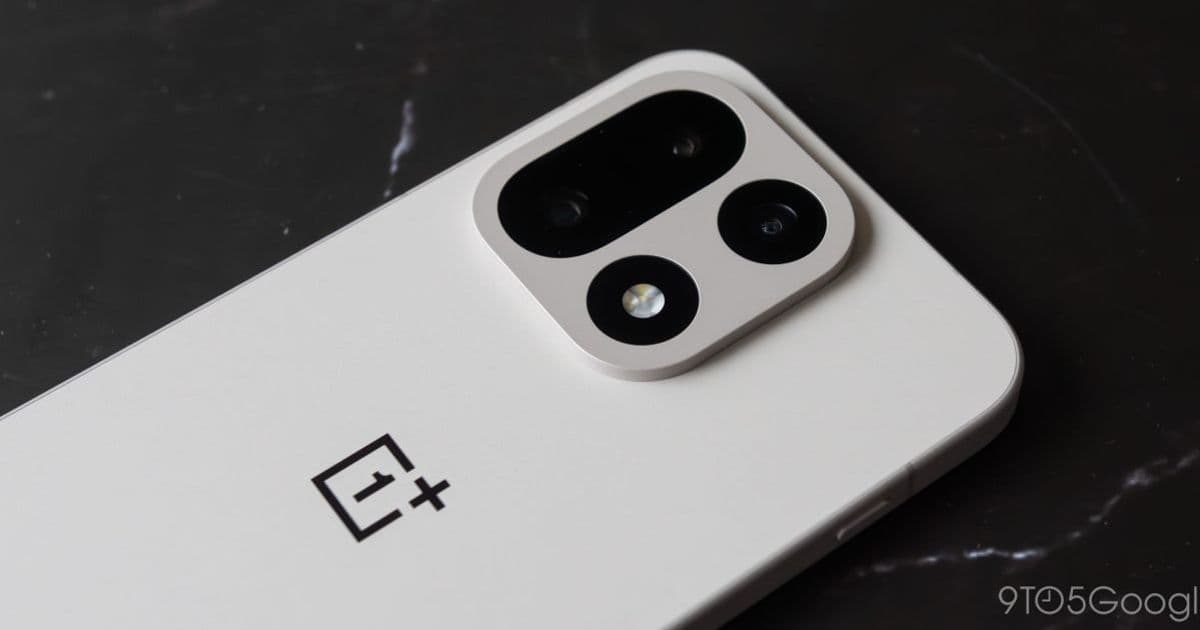
Chinese smartphone makers Oppo and OnePlus will raise prices on existing models starting March 16, citing rising component costs including high-speed storage, as the industry faces inflationary pressures.
Chinese smartphone manufacturers Oppo and OnePlus have announced price increases for their existing smartphone models, effective March 16, 2026. The companies cited rising costs of key components, particularly high-speed storage, as the primary driver behind the price adjustments.
The announcement comes amid challenging market conditions affecting the global smartphone industry. Both brands, which share ownership under BBK Electronics, are implementing the price increases across their existing product lineups rather than introducing new models at higher price points.
Component Cost Pressures Driving Price Adjustments
The decision to raise prices on existing models reflects broader supply chain challenges facing the smartphone industry. High-speed storage components, which are essential for flagship devices, have seen significant cost increases due to various market factors including semiconductor shortages and increased demand for advanced storage technologies.
This move by Oppo and OnePlus follows similar pricing adjustments by other smartphone manufacturers who have been grappling with inflationary pressures across their supply chains. The timing of the announcement, coming in early March with implementation set for mid-month, suggests the companies are responding to immediate cost pressures rather than planning for future product cycles.
Market Context and Industry Implications
The price increases highlight the ongoing challenges in the smartphone market, where manufacturers must balance competitive pricing with rising production costs. For consumers, this means existing models that were previously available at certain price points will become more expensive, potentially affecting purchasing decisions in the coming weeks.
The announcement is particularly noteworthy given the current competitive landscape in the smartphone market, where brands are already facing pressure from economic uncertainties and shifting consumer spending patterns. The decision to increase prices on existing inventory rather than adjusting pricing for new releases suggests the cost pressures are significant enough to warrant immediate action.
Consumer Impact and Timeline
Starting March 16, customers shopping for Oppo and OnePlus devices will encounter higher prices across the board for current models. The price adjustments will affect both brands' product ranges, though specific details about the magnitude of increases have not been disclosed in the initial announcement.
This pricing strategy may influence consumer behavior, potentially accelerating purchases before the price increases take effect or causing some buyers to delay purchases in anticipation of new models or potential promotional offers to offset the higher prices.
Broader Industry Trends
The move by Oppo and OnePlus reflects a broader trend in the technology sector where companies are passing increased component costs to consumers. This pattern has been observed across various tech categories, from smartphones to laptops, as manufacturers navigate supply chain disruptions and inflationary pressures.
The timing of these increases also coincides with other significant developments in the tech industry, including major funding rounds for AI companies and ongoing shifts in how technology companies are structuring their pricing and product strategies in response to market conditions.
What This Means for the Smartphone Market
The price increases by two major Chinese smartphone brands could signal similar moves by competitors if component costs continue to rise. This could lead to a general upward trend in smartphone pricing throughout 2026, affecting both flagship and mid-range devices.
For the smartphone market, this development underscores the delicate balance between innovation, component costs, and consumer affordability. As manufacturers invest in more advanced technologies and components, they must also consider how price increases might impact market share and consumer adoption rates.
Looking Ahead
Industry analysts will be watching closely to see how consumers respond to these price increases and whether other smartphone manufacturers follow suit. The success of this pricing strategy could influence how other brands approach similar cost pressures in the coming months.
The announcement also raises questions about the sustainability of current pricing models in the smartphone industry and whether manufacturers will need to explore alternative strategies to manage component costs while maintaining competitive pricing for consumers.
The smartphone market continues to evolve rapidly, with pricing strategies playing a crucial role in how brands compete and maintain market share. The Oppo and OnePlus price increases represent another data point in understanding how the industry is adapting to current economic challenges.
For consumers interested in purchasing Oppo or OnePlus devices, the March 16 implementation date provides a clear timeline for when to expect higher prices on existing models. Those considering purchases in the near term may want to factor this pricing change into their decision-making process.
Comments
Please log in or register to join the discussion