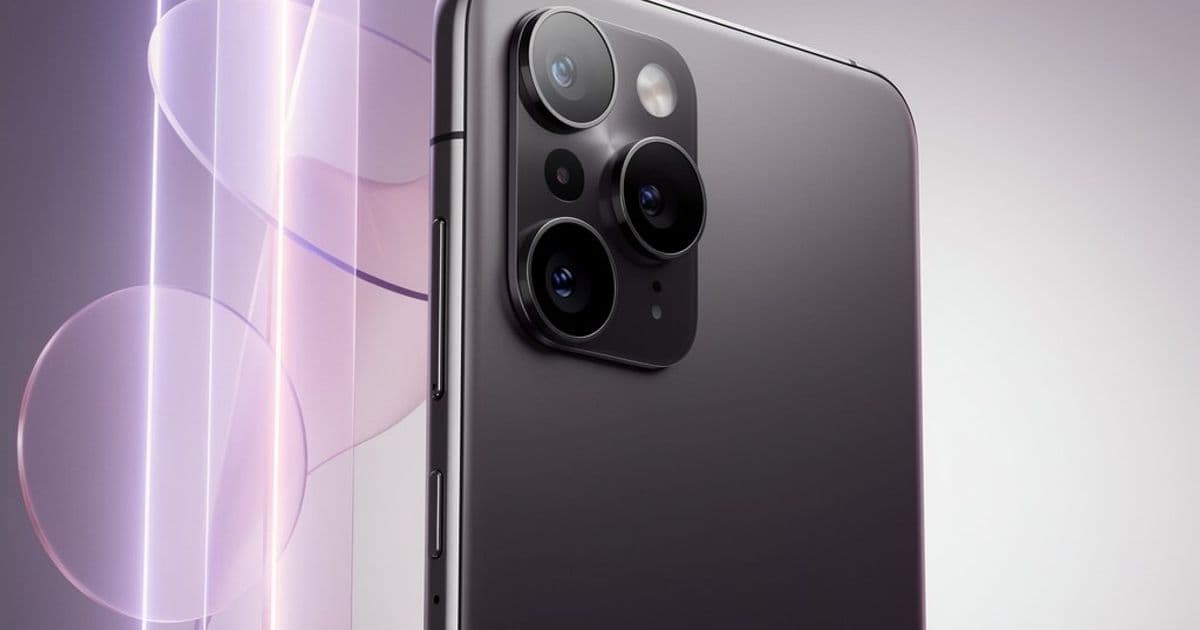
Oppo's new Reno15 balances flagship camera tech with exceptional battery capacity, though its Snapdragon chipset choice raises performance questions.

Oppo has launched its Reno15 series globally, introducing three models that blend premium features with strategic compromises. The middle child of this lineup - the standard Reno15 - presents an intriguing balance of camera capabilities and exceptional battery life, though its processor choice may raise eyebrows among tech enthusiasts.
The Reno15 occupies the sweet spot in physical dimensions with its 6.59-inch display - larger than the 6.32-inch Pro Mini but smaller than the 6.78-inch Pro Max. Where it truly stands out is power endurance: all three models share the same substantial 6,500mAh battery capacity, putting them well ahead of most competitors in longevity.

Camera System Analysis
The imaging setup reveals Oppo's tiered approach:
- Main Camera: 50MP Sony IMX882 sensor with f/1.8 aperture and OIS (optical image stabilization)
- Ultra-wide: 8MP OV08D sensor (a noticeable step down from Pro models' 50MP)
- Telephoto: Impressive 50MP Samsung JN5 sensor with 3.5x optical zoom (80mm equivalent) and OIS
- Selfie: Flagship-grade 50MP Samsung JN5 sensor with 100° ultra-wide lens
This configuration demonstrates Oppo's strategy: reserving the 200MP main sensor for Pro models while bringing down the ultra-wide camera resolution significantly. The telephoto and selfie cameras however remain nearly identical to their Pro siblings, maintaining high-quality zoom and front-facing capabilities.
Performance Considerations
The Snapdragon 7 Gen 4 chipset powering the Reno15 presents potential concerns. Early benchmarks suggest it may underperform compared to both the Dimensity 8450 in current Pro models and even the Dimensity 8350 in last year's Reno14. This performance gap could impact sustained workloads and gaming, though we'll reserve final judgment for our full review.
All models feature UFS 3.1 storage (256GB/512GB options) and lack microSD expansion. The optical under-display fingerprint sensor proved responsive in initial testing.
Design and Build Quality
The Glacier White variant we examined features a unique coating that creates a ceramic-like texture while maintaining glass durability. The aerospace-grade aluminum frame contributes to a slim 7.7mm profile and 197g weight. Notable durability features include:
- Triple IP certification (IP66/68/69) for comprehensive water/dust resistance
- Platinum-coated USB-C port for corrosion resistance
- Stereo speaker setup (no 3.5mm headphone jack)
Charging and Connectivity
The 80W SuperVOOC charging solution delivers a full charge in approximately 50 minutes using the included charger. For those preferring third-party solutions, USB PPS compatibility allows up to 55W charging - a significant upgrade from the Reno14's 33W PPS limit.
ColorOS 16 introduces O+ Connect, enabling cross-platform functionality with Windows PCs and Apple devices for file transfers and remote control. Oppo commits to an impressive software support timeline: 5 major OS updates and 6 years of security patches.
Market Position
The Reno15 lands in a competitive mid-range segment where battery life often trumps raw performance. Its 6,500mAh capacity positions it exceptionally well against rivals, while maintaining camera features that outperform many competitors in the telephoto and selfie departments. The Snapdragon versus Dimensity performance differential will be a key consideration for power users, but mainstream consumers may find the battery and camera combination compelling enough to overlook potential processor limitations.
Oppo's retail packaging includes the SuperVOOC charger in some regions, though availability may vary by market. As we begin detailed performance testing, the Reno15 presents an intriguing study in balanced feature allocation within a competitive smartphone lineup.
Comments
Please log in or register to join the discussion