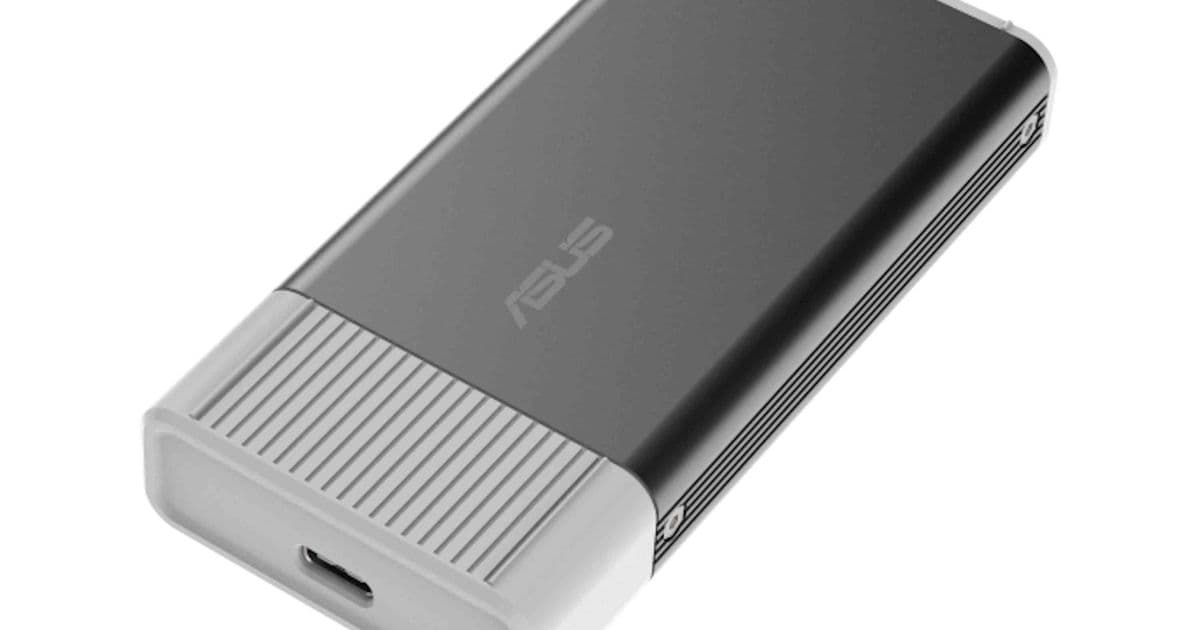
Asus introduces the UGen300 external USB AI accelerator card featuring a Hailo 10H NPU delivering 40 TOPS performance at just 2.5W power consumption.
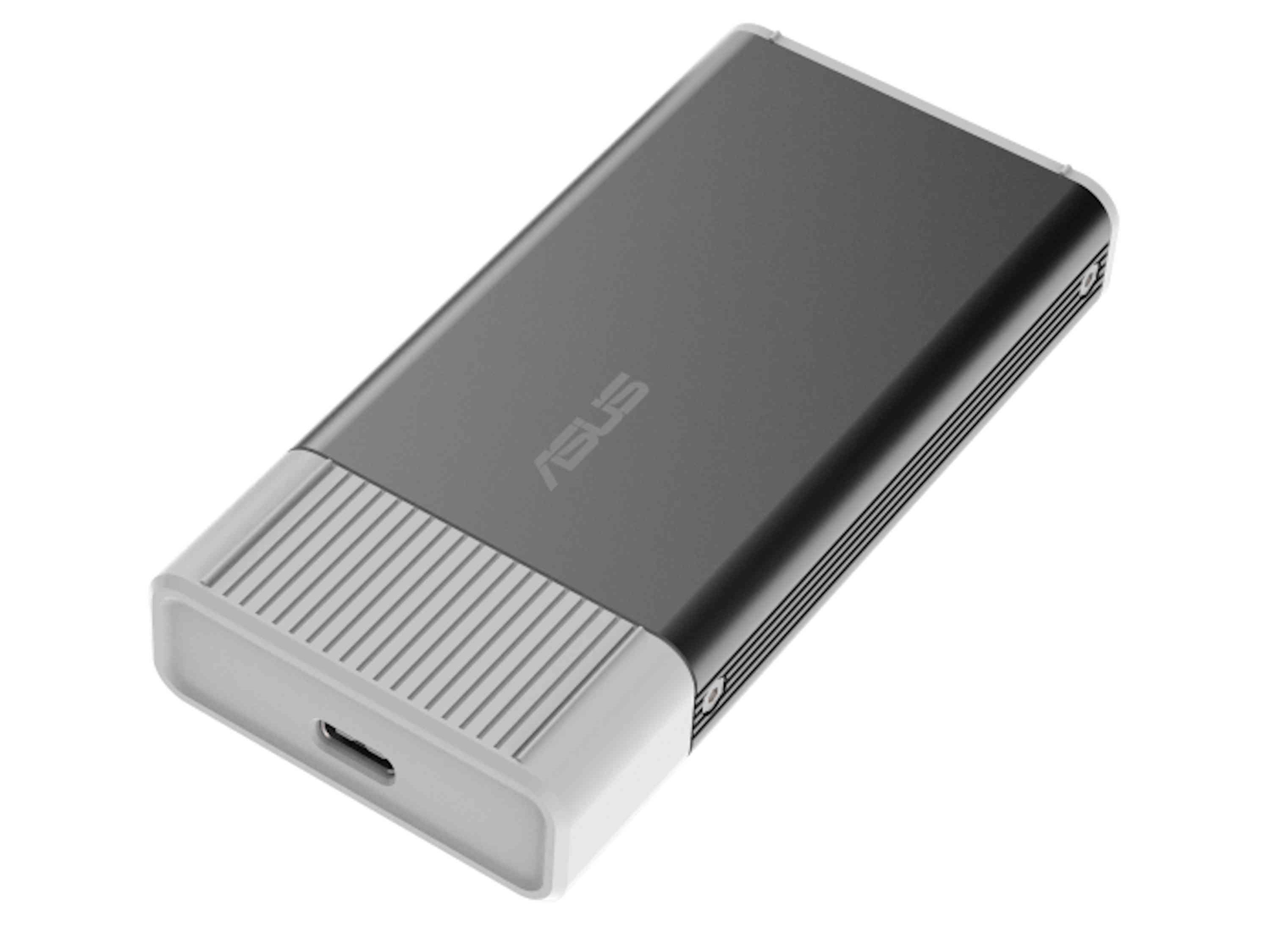
Asus has unveiled what it claims is the world's first USB-powered edge AI accelerator compatible with both classical AI models and generative AI workloads. The UGen300 external accelerator bypasses traditional installation barriers by connecting via USB 3.1 Gen 2, eliminating the need to open PC cases or occupy PCIe slots. This plug-and-play approach targets users seeking immediate AI acceleration without hardware modifications.
The heart of the UGen300 is Hailo's 10H neural processing unit (NPU), delivering 40 tera operations per second (TOPS) at INT4 precision while maintaining exceptionally low power consumption of just 2.5 watts. This positions it as an energy-efficient solution compared to GPU-based alternatives. The accelerator ships with 8GB of LPDDR4 RAM onboard, sufficient for lightweight inference tasks but notably constrained for large generative models that typically require 100GB+ memory configurations.
Compatibility spans multiple architectures and operating systems, including x86 and ARM platforms running Windows, Linux, or Android. Developer support extends to major machine learning frameworks like TensorFlow, PyTorch, and ONNX runtime, with Asus pre-loading over 100 optimized models for immediate deployment. Primary use cases include real-time image recognition, video analytics, and sensor data interpretation scenarios where low-latency edge processing is advantageous.
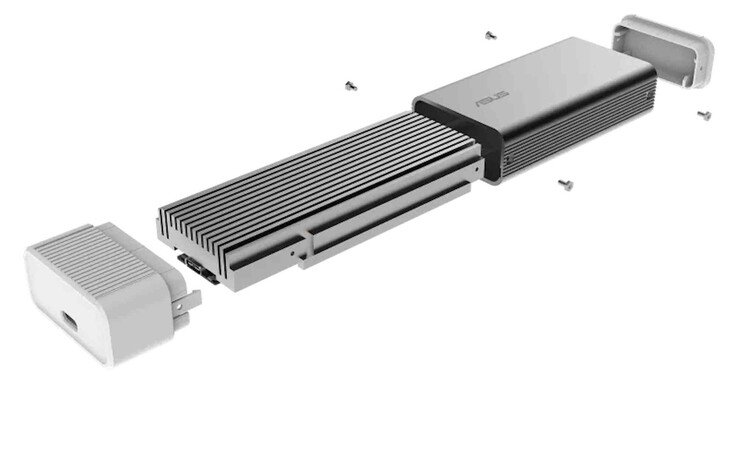
When compared to integrated NPUs in modern processors like AMD's Ryzen AI or Intel's AI Boost, the UGen300 offers dedicated acceleration for systems lacking built-in AI hardware. Its 40 TOPS performance substantially exceeds the 10-16 TOPS typical of current mobile NPUs, though falls short of high-end desktop GPUs capable of 100+ TOPS. The USB interface creates bandwidth limitations—USB 3.1 Gen 2's 10Gbps throughput can bottleneck large model transfers despite the NPU's computational capacity.
The device employs passive cooling, indicating minimal thermal output suitable for silent operation environments. However, sustained heavy workloads may challenge thermal dissipation without active airflow. Asus hasn't disclosed pricing or availability windows, leaving key purchasing factors undefined.
Target users include:
- Developers needing portable AI acceleration across multiple test systems
- Businesses retrofitting existing IoT deployments with computer vision capabilities
- Researchers requiring cost-effective inference hardware without GPU power demands
- Industrial applications where USB connectivity simplifies field upgrades
While unsuitable for large language model training, the UGen300 presents a compelling stopgap solution for edge AI inference tasks. Its success will ultimately depend on price positioning against alternatives like USB-connected neural accelerators from Coral and PCIe-based offerings from companies like Hailo and NVIDIA.
Comments
Please log in or register to join the discussion