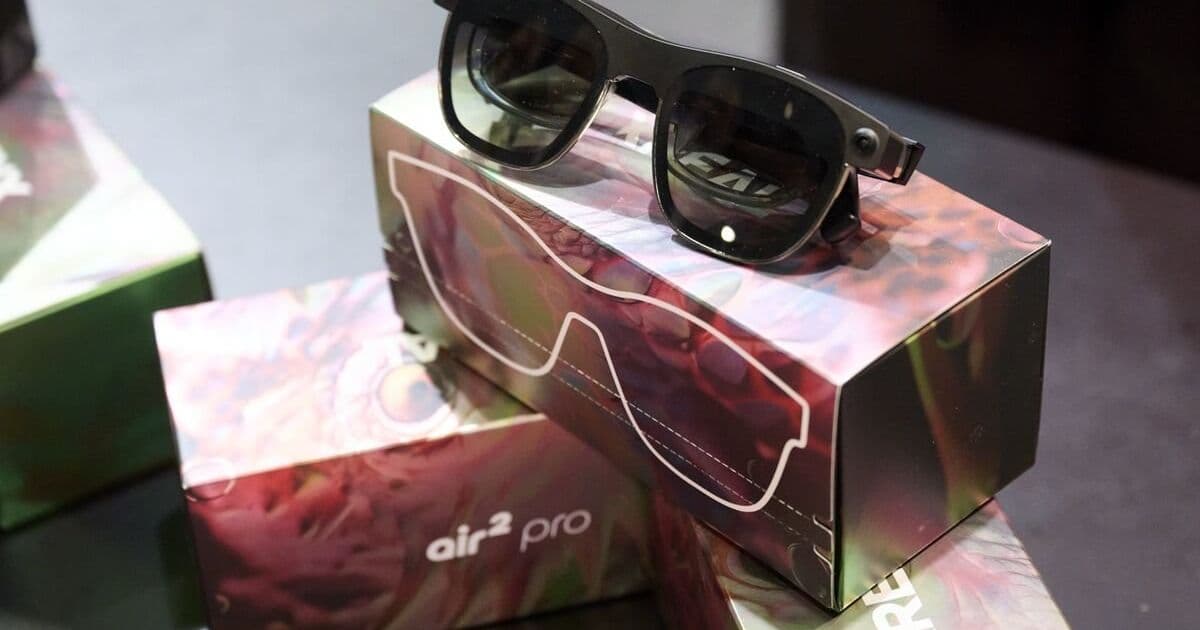
Smart glasses manufacturer Xreal has secured $100 million in new funding from supply chain partners and investors, validating renewed industry confidence in augmented reality wearables despite persistent adoption challenges.
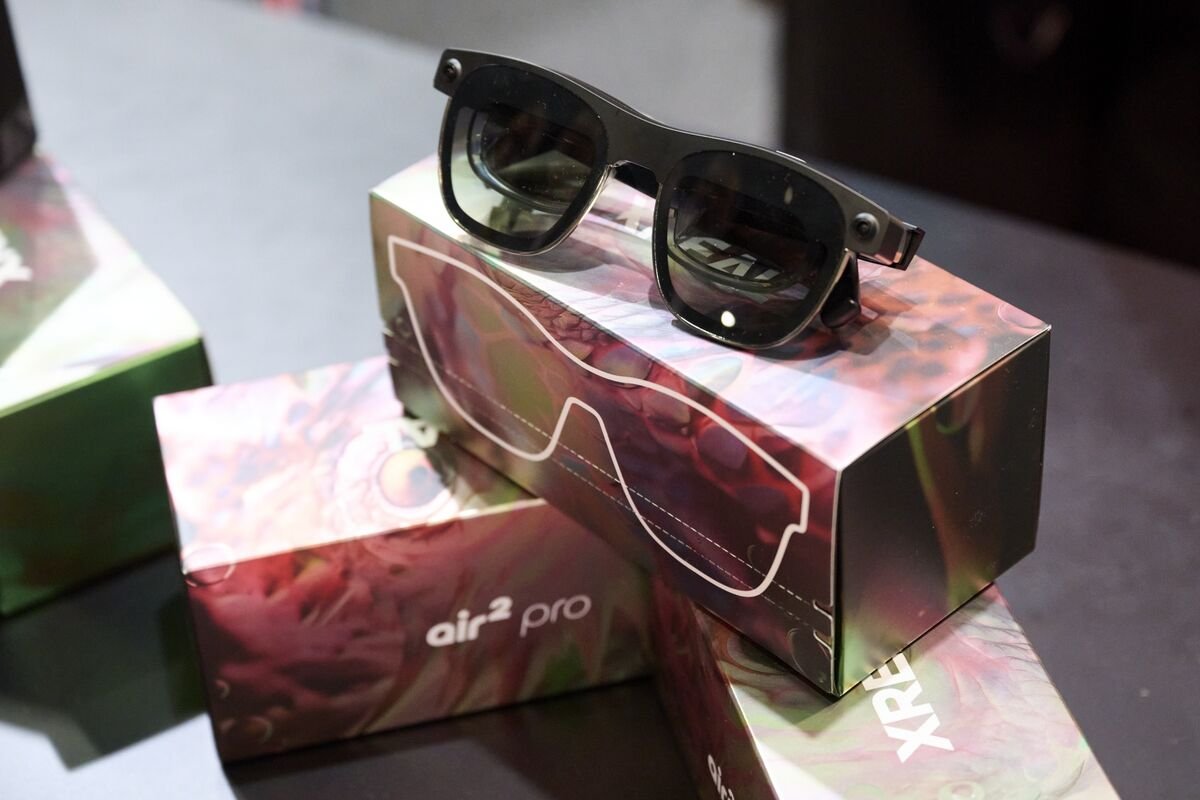
The augmented reality hardware sector is experiencing renewed momentum, with Xreal's recent $100 million funding round serving as the latest indicator. Valued at over $1 billion, the Beijing-based company secured investment primarily from supply chain partners—a strategic move that suggests manufacturing scalability readiness. This follows Apple's Vision Pro launch and Meta's continued AR investments, collectively signaling that major tech players view smart glasses as more than experimental technology.
Industry analysts note the supply chain participation as particularly significant. When component manufacturers invest directly, it typically indicates confidence in production volume forecasts and long-term market viability. Xreal's Air 2 Ultra glasses target developers with features comparable to enterprise-focused competitors like Microsoft HoloLens, but at consumer-friendly price points. The company claims over 350,000 units shipped since 2021, though exact sales figures remain undisclosed.
Despite these positive signals, skepticism persists about mainstream adoption. Past failures like Google Glass created lasting consumer skepticism about wearable displays, with concerns about social acceptability and practical utility. Battery limitations continue to plague the category, with most devices offering just 2-4 hours of active use. Privacy advocates also raise alarms about always-on cameras and potential recording in sensitive environments.
Competitive pressure is intensifying. Meta's Ray-Ban collaboration continues evolving, while startups like TCL's NXTWEAR and China's Rokid pursue similar markets. Apple's rumored lightweight AR glasses project could disrupt the entire category. For Xreal to justify its valuation, it must transition from developer-focused hardware to creating compelling consumer use cases that overcome historical resistance. The coming 12-18 months will prove decisive in determining whether smart glasses can evolve beyond niche applications into genuine consumer products.
Counterbalancing the optimism, some investors question whether current hardware capabilities align with consumer expectations shaped by science fiction. Early adopters report persistent issues with field-of-view limitations and motion tracking accuracy. Until these technical barriers are overcome, the market may remain constrained to specific industrial and gaming applications. Xreal's manufacturing-focused funding suggests confidence in incremental hardware improvements, but the true test will be whether consumers find these devices meaningfully useful in daily life beyond novelty.
Comments
Please log in or register to join the discussion