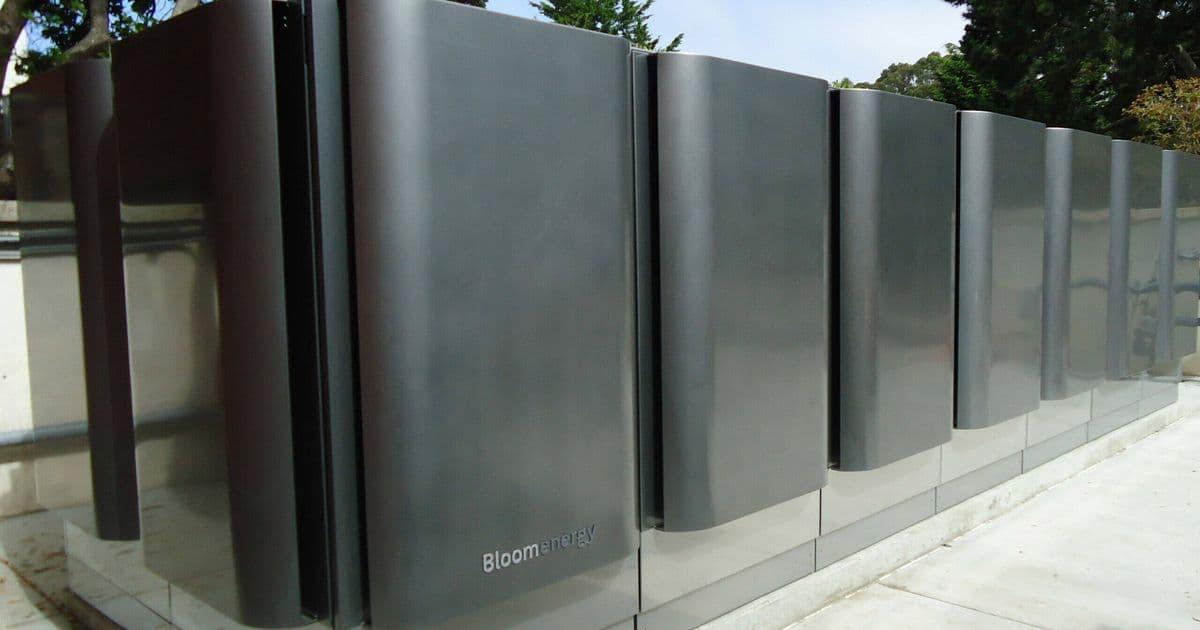
Oracle has expanded its agreement with Bloom Energy to deploy up to 2.8 GW of fuel cell systems across its US datacenters, addressing grid connection delays and gas turbine shortages while accelerating its massive AI infrastructure buildout.
Oracle has significantly expanded its partnership with Bloom Energy, contracting for up to 2.8 gigawatts of fuel cell capacity to power its rapidly growing datacenter infrastructure across the United States. This move represents a strategic shift toward distributed, on-site power generation as the tech giant races to meet surging demand for AI computing capacity while grappling with grid connection delays and equipment shortages.
The expanded agreement builds upon an initial deal from last year, under which Bloom Energy claims it delivered a fully operational fuel cell system to power an Oracle Cloud Infrastructure site in just 55 days—well ahead of the 90-day target. Oracle has already committed to an initial 1.2 GW of capacity, with deployment underway in 2026 and expected to continue into 2027.
This massive power procurement comes as Oracle pursues an aggressive datacenter expansion strategy, including a reported $300 billion contract with OpenAI to provide infrastructure for AI processing. The company plans to deliver approximately 4.5 GW of compute capacity over the next five years, positioning itself as a major player in the AI infrastructure race.
Grid Constraints Drive On-Site Generation
The timing of Oracle's fuel cell investment reflects broader challenges facing the datacenter industry. America's power grid is struggling to keep pace with unprecedented demand from AI and cloud computing facilities. Connection requests to the electricity grid can face wait times of up to seven years, creating a significant bottleneck for datacenter construction and expansion.
Energy Secretary Jennifer Granholm took steps last year to address these grid connection delays, but the fundamental mismatch between supply and demand remains. This has pushed companies like Oracle to explore alternative power solutions that can be deployed more rapidly and with greater certainty.
Gas Turbine Shortages Create Opportunity for Fuel Cells
Traditionally, datacenters have relied on gas turbines for on-site power generation. However, the industry is now facing a shortage of these critical components due to high demand. Elon Musk's xAI, for instance, deployed gas turbines at its Colossus campus, but other operators are finding themselves facing long lead times for similar equipment.
Fuel cells present an attractive alternative, offering several advantages over traditional gas turbines. They can be deployed faster, reducing project risk and accelerating time-to-operation. Additionally, fuel cells typically have lower emissions and can operate more efficiently than combustion-based systems.
Technical Considerations and Challenges
While fuel cells offer compelling benefits, they also present certain challenges. Some fuel cell technologies rely on expensive catalyst materials, which can increase deployment costs. The choice of fuel—whether hydrogen or natural gas—introduces additional considerations around storage, infrastructure, and safety.
Hydrogen fuel cells, while offering the cleanest operation, require specialized storage and handling infrastructure. Natural gas fuel cells, on the other hand, can leverage existing pipeline infrastructure but produce carbon emissions during operation.
Industry Context and Implications
Oracle's massive fuel cell procurement reflects a broader industry trend toward distributed energy generation. Schneider Electric has been advocating for on-site power generation for server farms for some time, recognizing the strategic advantages of energy independence and reduced grid dependency.
The deal also comes amid concerns about Oracle's datacenter spending commitments. Industry analysts have warned that the company's aggressive infrastructure investments could lead to price hikes for customers. Additionally, Oracle and OpenAI recently abandoned plans to expand their flagship Stargate facility in Abilene, Texas, citing financing issues and OpenAI's challenges in forecasting demand effectively.
Market Impact and Future Outlook
Bloom Energy's expanded role with Oracle positions the company as a key player in the datacenter power market. The ability to deliver 1.2 GW of capacity already under contract, with potential for up to 2.8 GW total, demonstrates the scalability of Bloom's fuel cell technology for large-scale deployments.
For Oracle, the fuel cell investment represents a hedge against grid constraints and equipment shortages while supporting its ambitious AI infrastructure goals. The faster deployment timeline compared to traditional power solutions could prove crucial in maintaining competitive advantage in the rapidly evolving AI landscape.
As the datacenter industry continues to grapple with power supply challenges, Oracle's approach may serve as a model for other operators seeking to balance growth ambitions with practical constraints. The success of this large-scale fuel cell deployment could accelerate industry-wide adoption of distributed generation solutions.
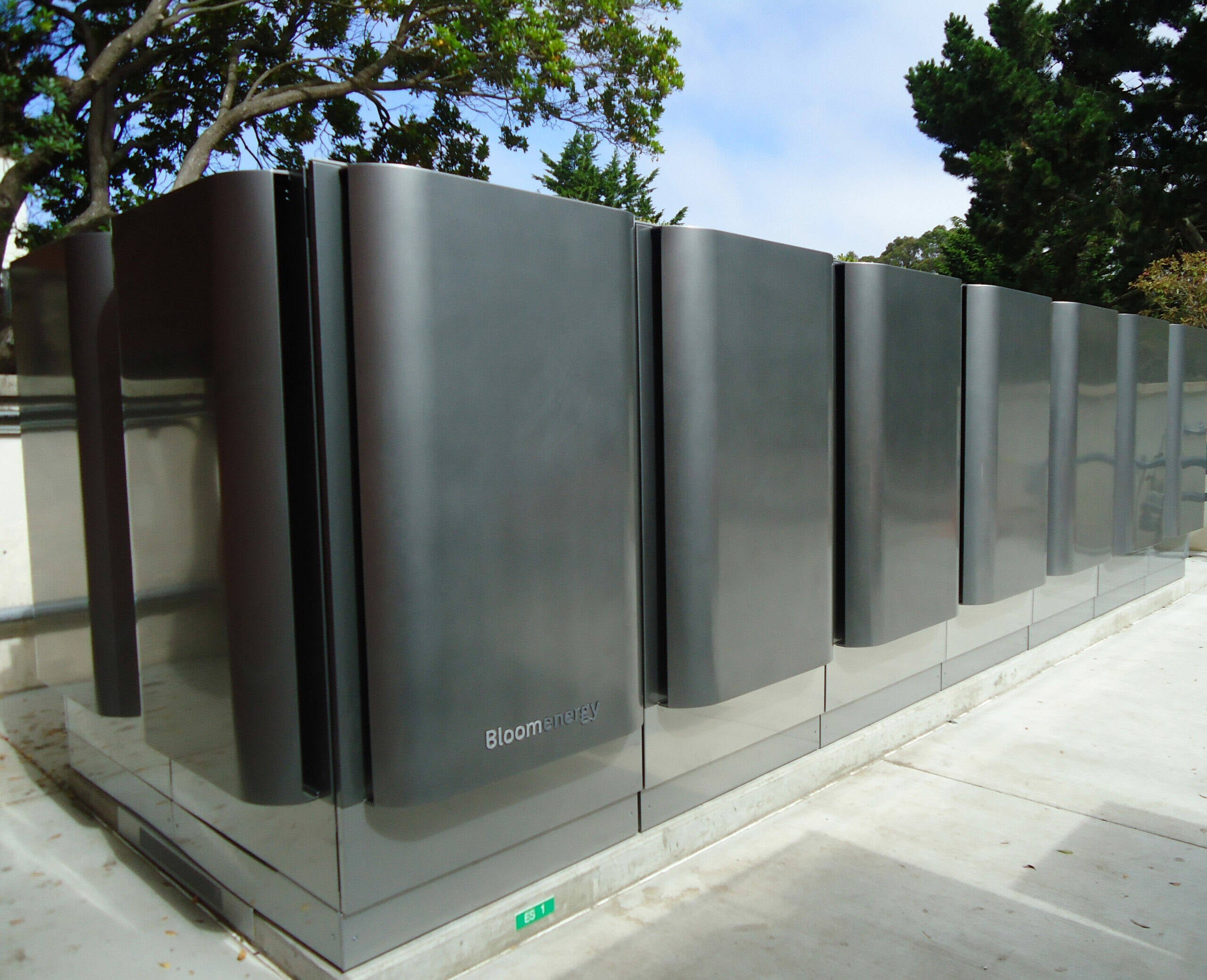
The Register has reached out to both Oracle and Bloom Energy for additional details regarding the contract value, specific fuel types being used, and the delivery mechanisms for fuel supply. This article will be updated with any responses received.
This strategic pivot toward on-site power generation underscores the complex interplay between technological ambition and practical infrastructure constraints that is shaping the future of AI and cloud computing infrastructure development.
Comments
Please log in or register to join the discussion