Defense Secretary Pete Hegseth has removed Army Chief of Staff Gen. Randy George and two other senior military leaders during an active conflict with Iran, marking a significant leadership change in the midst of heightened tensions.
Defense Secretary Pete Hegseth has abruptly fired U.S. Army Chief of Staff Gen. Randy George and two other senior military leaders, a dramatic shakeup occurring during active military operations against Iran. The unexpected dismissals have sent shockwaves through the Pentagon and raised questions about the timing and motivations behind the leadership changes.
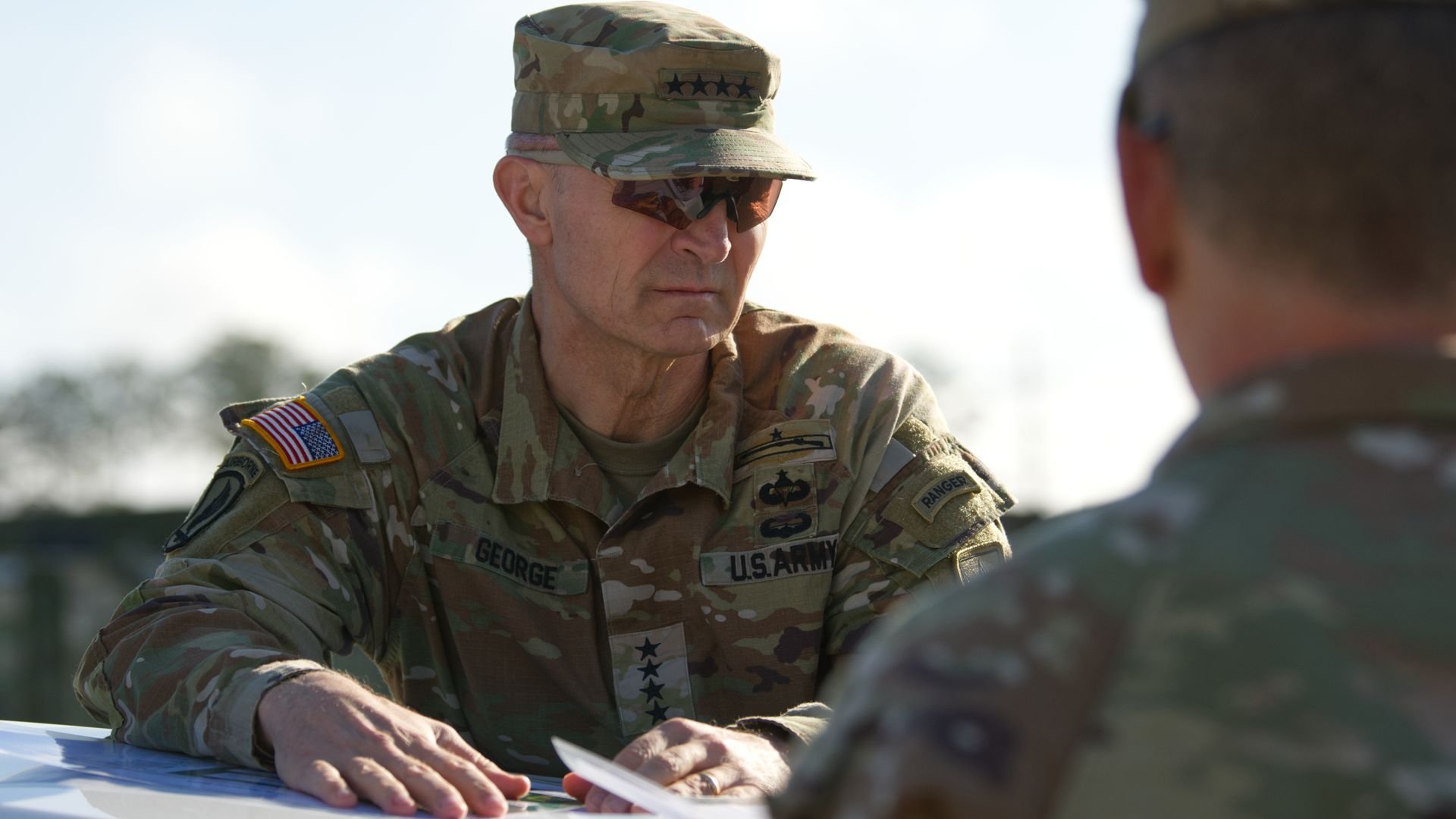
Gen. Randy George, who had served as the Army's top officer since 2023, was removed from his position along with two unnamed senior commanders. The firings come as U.S. forces are engaged in ongoing military operations in the Middle East, creating an unusual situation where key military leadership is being replaced during active conflict.
Sources within the Department of Defense indicate that the decision was made by Secretary Hegseth without consultation from the Joint Chiefs of Staff. The timing has drawn criticism from military analysts who question the wisdom of changing leadership during a period of heightened tensions with Iran.
"This is highly unusual," said one retired four-star general who spoke on condition of anonymity. "You don't typically make wholesale changes to senior leadership when troops are in harm's way. It sends a confusing message to both our forces and our adversaries."
Gen. George had been overseeing the Army's response to the Iran conflict, which has escalated significantly over the past several months. Under his leadership, the Army had been preparing for potential ground operations while managing ongoing air and naval campaigns in the region.
The two other military leaders removed alongside Gen. George have not been publicly identified, though sources suggest they held positions of significant responsibility within the Army's command structure. Their simultaneous dismissal suggests a coordinated leadership change rather than isolated personnel decisions.
Secretary Hegseth has not provided detailed reasoning for the firings, issuing only a brief statement that cited "the need for new leadership direction" during this critical period. The lack of explanation has fueled speculation about internal disagreements over military strategy or potential political motivations.
The Army is now operating under interim leadership while the Pentagon conducts a search for permanent replacements. Military experts warn that the transition period could create temporary disruptions in command and control during an already complex military operation.
This leadership shakeup follows a pattern of significant changes within the Department of Defense since the current administration took office. Several other senior military leaders have been reassigned or removed in recent months, though none during active combat operations.
The timing of these firings is particularly sensitive given the current state of U.S.-Iran relations. Military tensions have been escalating, with both sides engaging in provocative actions and rhetoric. The removal of senior leadership could potentially impact ongoing diplomatic efforts and military planning.
Congressional leaders from both parties have expressed concern about the timing of the dismissals. Some have called for hearings to examine the decision-making process and its potential impact on military operations and national security.
Military families and service members have taken to social media to express their concerns about the leadership changes. Many worry about the potential impact on military morale and operational effectiveness during a critical period.
The Pentagon has moved quickly to assure the public that military operations against Iran will continue without interruption. However, military experts note that leadership transitions, even when well-managed, can create temporary uncertainties that adversaries might seek to exploit.
As the situation develops, all eyes will be on the Pentagon to see who will be appointed to fill these critical leadership positions and how the new leadership will approach the ongoing conflict with Iran. The coming weeks will be crucial in determining whether these leadership changes will have any lasting impact on U.S. military strategy in the region.
The removal of Gen. Randy George and his colleagues represents one of the most significant military leadership changes in recent memory, particularly given the timing during active conflict. How this decision will affect the course of U.S. operations in the Middle East remains to be seen, but it has already become a major point of discussion within military and political circles.
Comments
Please log in or register to join the discussion