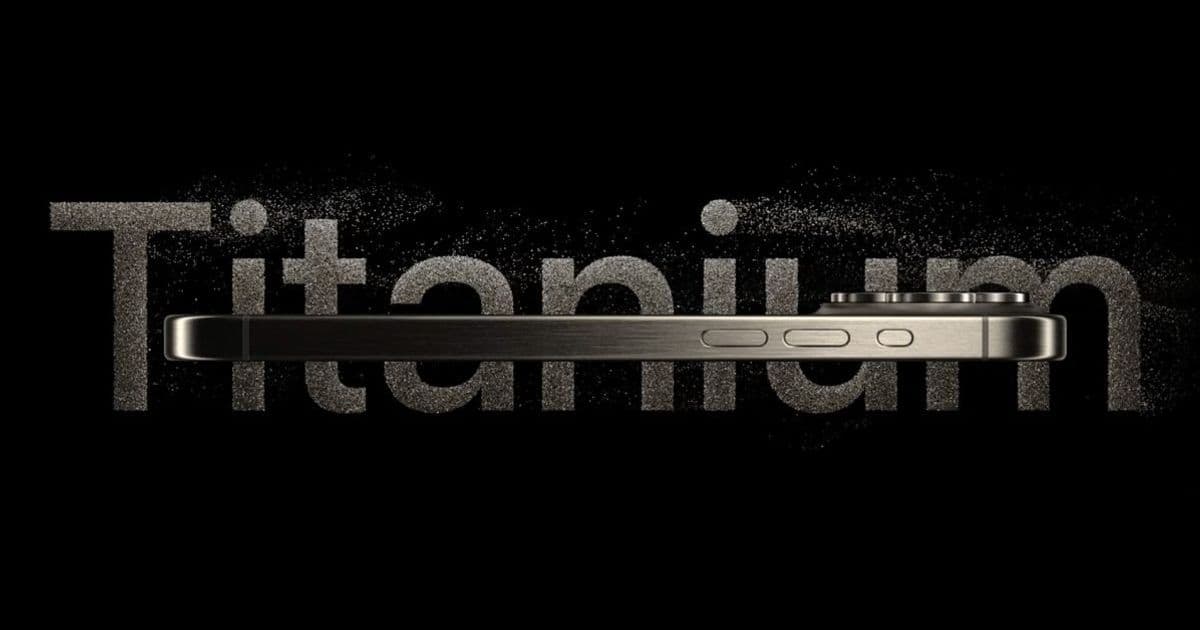
Apple is reportedly researching an improved titanium alloy for future iPhone models, aiming to fix thermal issues while keeping weight low. The shift could affect device capabilities, SDK requirements, and cross‑platform testing strategies.
Apple’s titanium comeback: What the new material means for iOS developers
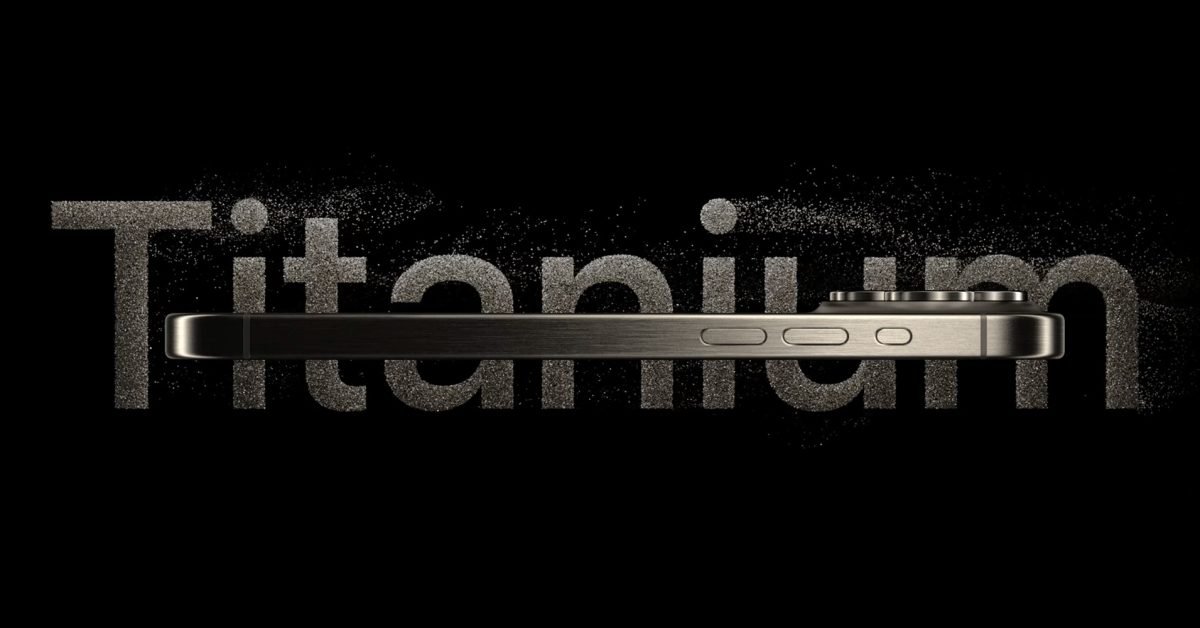
Apple’s hardware roadmap has always influenced the software side of the ecosystem. A leak from the Weibo account Instant Digital suggests that Apple is already prototyping a new titanium alloy that could replace the aluminum chassis used in the iPhone 17 Pro. The goal, according to the source, is to improve thermal conductivity and reduce weight without changing the phone’s external dimensions.
Platform update
- Current state – Since the iPhone 15 Pro series, Apple has used a grade of Grade 5 titanium for its premium models. The iPhone 17 Pro switched back to aerospace‑grade aluminum, citing heat‑dissipation concerns.
- Proposed change – The rumored alloy would blend titanium with a small percentage of copper and aluminum, a mix that engineers claim can raise thermal conductivity by roughly 30 % while keeping the density close to pure titanium.
- Timeline – No official date has been given, but the leak hints at a “mature formula” within the next two product cycles, meaning developers could see the material in a 2028‑2029 device.
Developer impact
SDK and OS version requirements
Apple typically bundles new hardware capabilities with the next major iOS release. If the new alloy arrives with a custom vapor‑chamber design, the accompanying iOS version (likely iOS 18) will expose additional APIs:
- Thermal‑performance APIs – Expect an expanded
ProcessInfo.thermalStateenum and a newDeviceThermalMetricsstruct that reports localized temperature zones. Apps that rely on sustained CPU/GPU workloads (e.g., video editors, AR experiences) can query these metrics to throttle work more intelligently. - Weight‑aware layout – While the physical size stays the same, the reduced mass could affect motion‑sensor baselines. The upcoming
CMDeviceMotionupdates may include amassproperty, allowing developers to fine‑tune inertial navigation for games and fitness apps. - Durability flags – Apple may add a
DeviceCapability.titaniumFrameboolean toUIDevice. This could be useful for accessory makers who need to know whether a device can tolerate higher mechanical stress.
All these changes will be documented in the Apple Developer Documentation once iOS 18 beta is released.
Performance considerations
Titanium’s higher strength‑to‑weight ratio means the chassis can be thinner without sacrificing rigidity. Thinner frames often allow larger internal batteries or more aggressive cooling solutions. For developers, this translates to:
- Longer sustained performance windows – Benchmarks on the iPhone 17 Pro showed a 12‑second drop in CPU boost after heavy loads. An improved thermal path could extend that window by 30‑40 %.
- Potential for higher clock speeds – If Apple pairs the alloy with a next‑gen A‑series chip, the silicon may run at a slightly higher base frequency while staying within safe temperature limits.
- Battery‑life trade‑offs – A lighter chassis can accommodate a marginally larger cell, but the thermal improvements may also let the system run at higher power draws without overheating, affecting battery‑life predictions in apps that use
EnergyImpactmetrics.
Cross‑platform testing
For teams that ship Android and iOS versions side by side, the material switch introduces a new variable in UI testing:
- Screen‑to‑body ratio – Even a millimetre change in frame thickness can shift the perceived safe‑area insets. Android devices already expose
WindowInsetsupdates; iOS developers should verify thatsafeAreaInsetsremain consistent across devices. - Thermal throttling behavior – Android’s
ThermalManagerAPI already lets apps react to temperature changes. When the iOS side adds similar granularity, developers can align their throttling logic across platforms, reducing duplicated code. - Accessory compatibility – Magnetic accessories (MagSafe, cases) may need redesign if the new alloy alters magnetic field strength. Android’s
MagneticFieldsensor can be used to prototype cross‑platform accessories that work with both ecosystems.
Migration strategy for existing codebases
- Add compile‑time checks – Guard new APIs with
#available(iOS 18, *)to keep older devices functional. - Implement fallback paths – If
DeviceCapability.titaniumFrameis false, continue using the existing aluminum‑specific heat‑management logic. - Update UI tests – Extend UI test suites to run on the iPhone 17 Pro (aluminum) and the upcoming titanium model once beta hardware is available. Tools like Xcode’s Device Testing and Android’s Firebase Test Lab can run the same test matrix on both platforms.
- Monitor energy reports – Use Xcode’s Energy Log and Android’s Battery Historian to compare real‑world power draw after the material change. Adjust any aggressive background tasks that were previously limited by aluminum’s thermal ceiling.
- Communicate with users – If your app includes a “high‑performance mode,” update the in‑app description to explain why the mode may behave differently on titanium devices.
Bottom line
A return to titanium, even in an improved alloy, is more than a cosmetic shift. It will likely bring new thermal‑management APIs, affect device weight, and influence how accessories attach magnetically. For developers maintaining a single codebase across iOS and Android, the change offers an opportunity to harmonize thermal‑handling logic and refine UI layouts for thinner frames. Staying ahead of the SDK updates and adding proper feature detection now will smooth the transition when the next generation of iPhones lands on shelves.
For the latest on Apple hardware rumors, follow the official Apple Developer site and keep an eye on the upcoming iOS 18 beta release.
Comments
Please log in or register to join the discussion