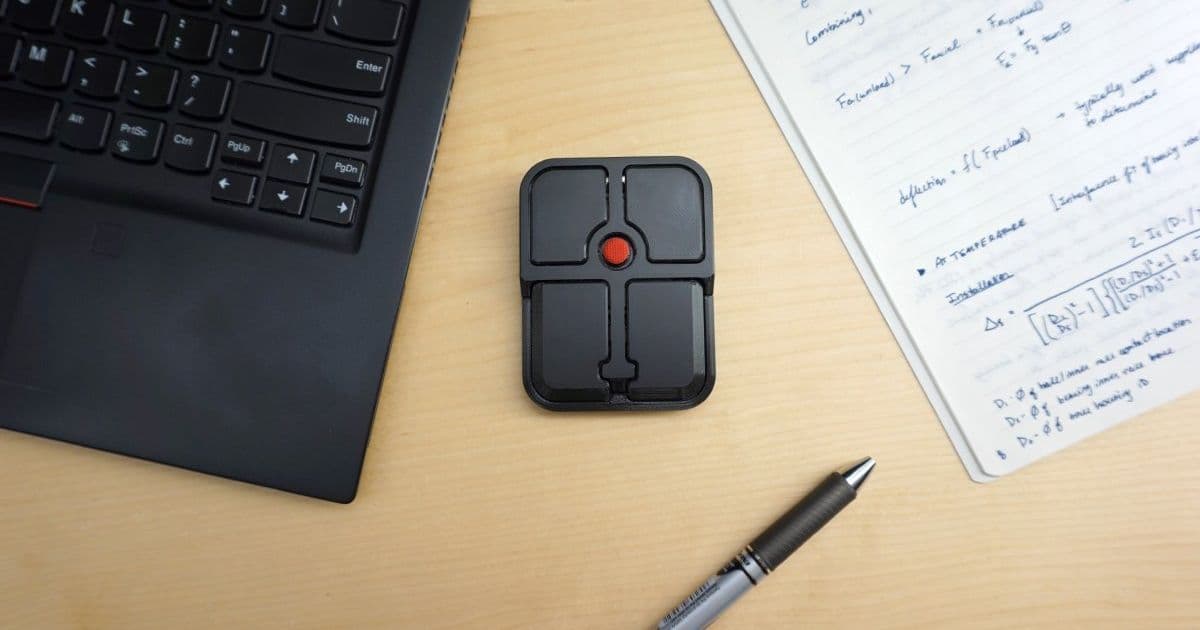
The Ploopy Bean offers a USB pointing stick experience similar to Lenovo's iconic TrackPoint, with high-precision sensors, customizable buttons, and open-source firmware. This niche input device caters to users who prefer the precision of pointing sticks over traditional mice or trackpads, while offering extensive customization options through QMK firmware.
The Ploopy Bean represents an interesting addition to the world of computer input devices, filling a niche that's often overlooked by mainstream manufacturers. For users who prefer the precision of pointing sticks over traditional mice or trackpads, this open-source device offers a familiar experience with modern enhancements.
What is the Ploopy Bean?
At its core, the Ploopy Bean is a USB pointing stick - essentially a modern take on the famous Lenovo TrackPoint that many laptop users have come to love. Unlike traditional mice that require moving your entire hand, or trackpads that require finger gliding, a pointing stick allows cursor control through small finger movements applied directly to a small nub.
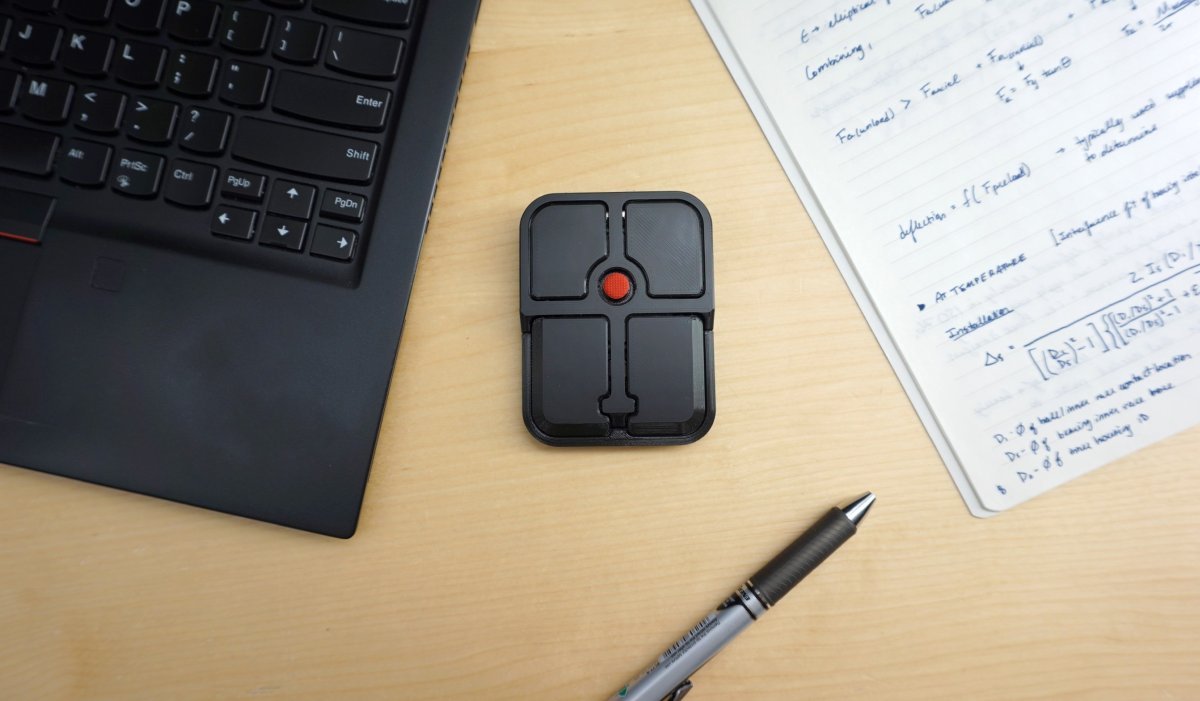
The Bean measures 84 x 64 x 16mm (3.3" x 2.5" x 0.6"), making it compact enough to place alongside a keyboard or in any convenient location on your desk. It features a 3D printed case and a USB Type-C port for connectivity.
Precision Engineering
What sets the Ploopy Bean apart from other pointing sticks is its precision. Inside, it features a Texas Instruments TMAG5273 high-precision magnetic sensor that takes an impressive 20,000 samples per second. This allows it to detect movement changes as small as 3 microns (1/10,000th of an inch), providing exceptionally smooth and accurate cursor control.
The pointing stick itself offers more range of motion than typical laptop implementations, supporting movements up to 11mm in each axis. According to Ploopy, this extended range helps reduce fatigue that some users experience with more restrictive pointing sticks, while still maintaining the precision that makes pointing sticks appealing.
Customization and Open Source
One of the most appealing aspects of the Ploopy Bean is its flexibility. It comes equipped with four Omron D2LS-21 buttons that are, by default, configured for left click, right click, middle click, and click-to drag or scroll functionality. However, thanks to the device's Raspberry Pi RP2040 microcontroller and QMK open source firmware, users can customize these functions to suit their preferences.
Ploopy provides a free and open source VIA web app that allows users to reconfigure the buttons without needing to write code. For those who prefer more advanced customization, the device can be reflashed with custom firmware. All Ploopy devices, including the Bean, have their hardware and software design files available on GitHub, theoretically allowing users to build their own or modify existing designs.

This open approach offers several advantages beyond mere customization. If Ploopy doesn't have replacement parts in stock, users with access to a 3D printer could potentially create their own. While most users will likely find it more practical to purchase a pre-built unit, the availability of design files adds a layer of future-proofing that's rare in the hardware world.
Target Audience and Use Cases
The Ploopy Bean isn't for everyone. Its appeal is primarily to users who already appreciate pointing stick technology or those who work in environments where desk space is limited and traditional mice aren't practical. Fans of Lenovo ThinkPads with their iconic TrackPoint will find the Bean particularly appealing, as it offers a similar experience in a standalone USB device.
The device could also be attractive to:
- Developers who appreciate precise cursor control for coding
- CAD professionals who need accurate pointing for detailed work
- Users with limited mobility who benefit from minimal hand movement
- Anyone who wants to experiment with alternative input methods

Pricing and Availability
The Ploopy Bean is priced at $70 CAD (approximately $52 USD), positioning it as a premium niche product. While this might seem expensive compared to basic USB mice, it's competitively priced for high-precision pointing devices in this category.
Unfortunately for interested buyers, the Early Access units have already sold out, with new customers facing wait times of 8 weeks for Tier A orders or 20 weeks for Tier B orders. This strong initial demand suggests that there's a significant market for specialized input devices that mainstream manufacturers often overlook.
Conclusion
The Ploopy Bean represents an interesting convergence of classic pointing stick technology with modern open-source principles. By offering a standalone USB pointing stick with high-precision sensors, extensive customization options, and open hardware and software, Ploopy has created a product that caters to a specific but dedicated audience.
For users who have grown accustomed to the precision of Lenovo's TrackPoint or who simply prefer the control that pointing sticks offer, the Bean provides a familiar experience with modern enhancements. The open nature of the device adds value beyond its physical form, allowing for customization and even potential self-repair.
While it's unlikely to replace traditional mice for most users, the Ploopy Bean fills an important niche in the input device ecosystem, demonstrating that there's still room for innovation and specialization in a market that might otherwise seem saturated.
Comments
Please log in or register to join the discussion